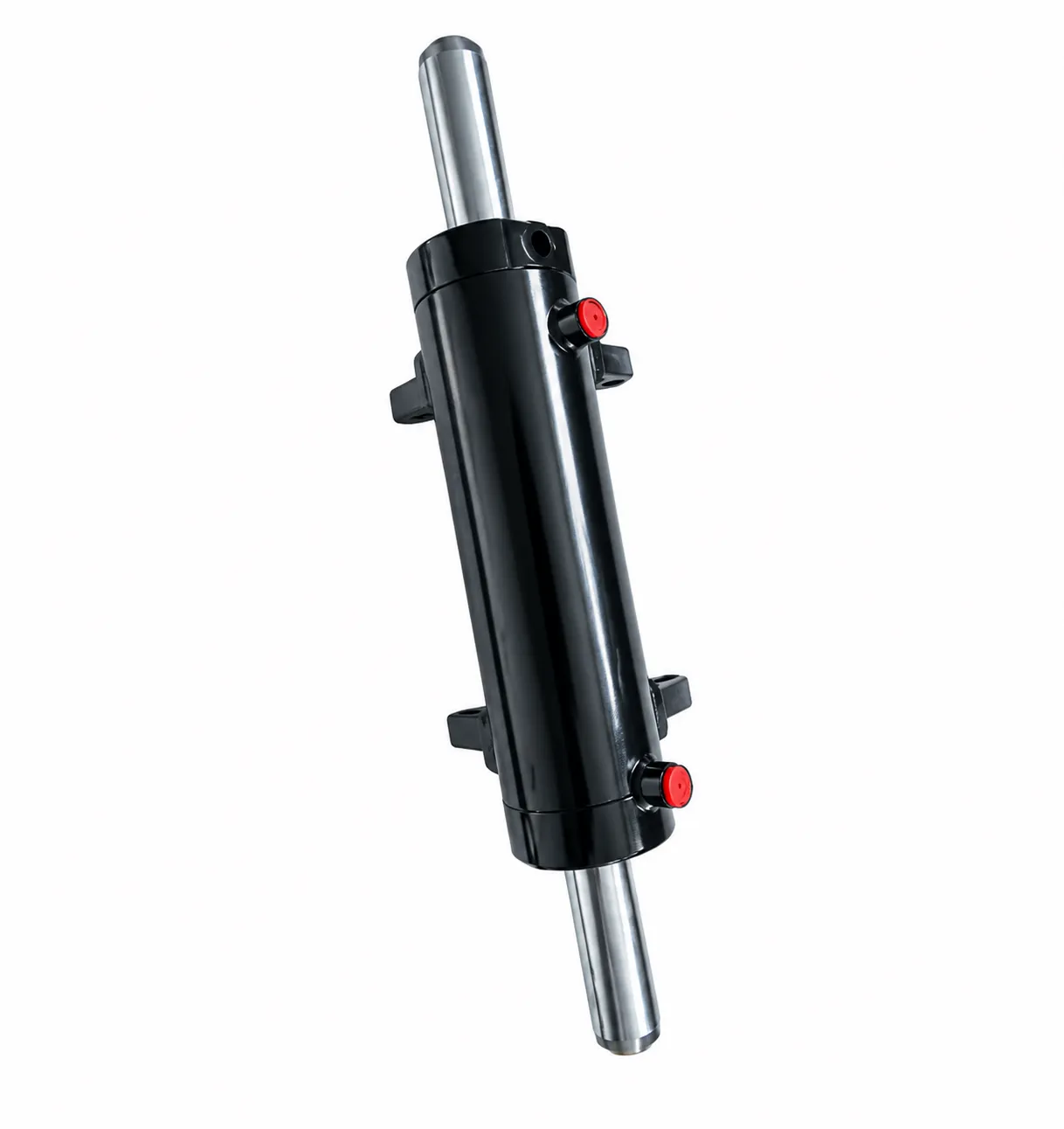
 Misalignment is one of the most underdiagnosed causes of premature hydraulic cylinder failure across the UK’s heavy manufacturing and agricultural sectors. A steering cylinder operating even a few degrees out of true axis generates lateral forces — commonly called side loads — that were never part of the original design envelope. These forces attack the rod seal, accelerate rod-bushing wear, score the cylinder bore, and ultimately bend the rod itself. The damage compounds silently until a catastrophic seal failure or structural fracture forces a costly, unplanned shutdown.
Why Steering Cylinder Alignment Defines System Longevity
How a Steering Cylinder Works: The Alignment-Critical Principle
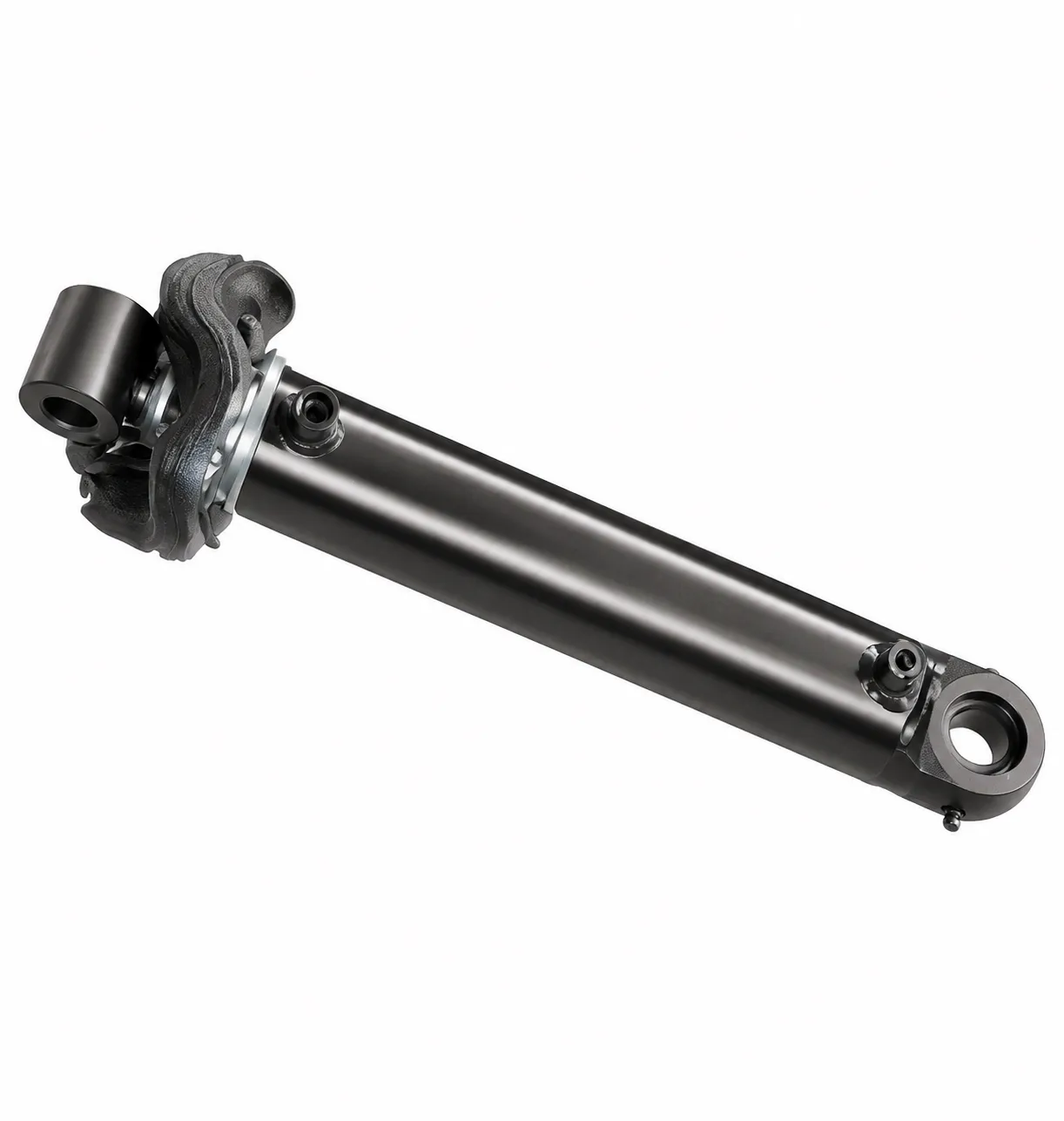 A hydraulic steering cylinder operates on the differential-area principle of a double-acting linear actuator. Pressurised hydraulic fluid — typically at 14 to 25 MPa in industrial applications — enters either the cap-end or rod-end port. The pressure differential across the piston face converts fluid energy directly into linear mechanical force. The rod then extends or retracts, translating this linear motion into angular rotation of the steered axle, wheel hub, or track frame through a connected linkage.
The mechanical efficiency of this conversion — and the longevity of every internal component — depends on one geometric condition: the centreline of the cylinder rod must remain colinear with the direction of applied load throughout the entire stroke. Any deviation from this collinearity introduces a bending moment at the rod-to-piston joint and lateral contact at the rod-bushing interface. The cylinder was built to push and pull in a straight line. Everything beyond that straight line is damage in progress.
Modern steering cylinders used in agricultural equipment, municipal vehicles, and industrial reach trucks are built with mounting configurations — clevis end, trunnion, flange, or rear-flange — that are each specifically designed to accommodate defined angular envelope. Understanding which mounting type is present, and what angular tolerance that type permits, is the starting point for every alignment procedure.
Material Engineering: Why Construction Choices Matter for Alignment Tolerance
The materials used in a steering cylinder’s construction directly determine how much misalignment it can absorb before damage occurs — and how rapidly it degrades once that threshold is crossed.
Step-by-Step: How to Align a Steering Cylinder Correctly in the Field
This procedure applies to any double-acting steering cylinder installed on agricultural machinery, material handling equipment, or municipal vehicles. It assumes the system has been depressurised and locked out before work commences — a mandatory requirement under UK PSSR 2000 regulations.
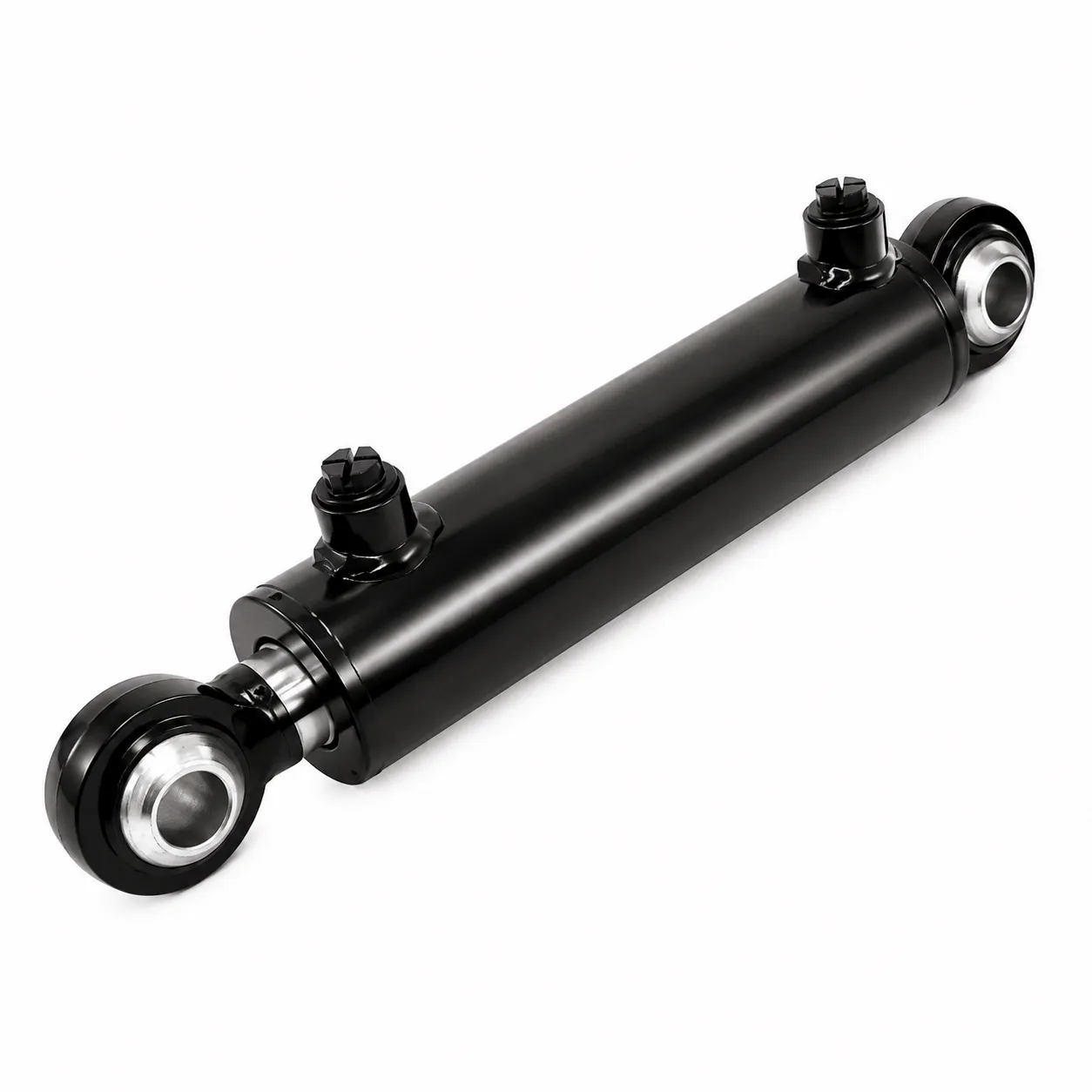
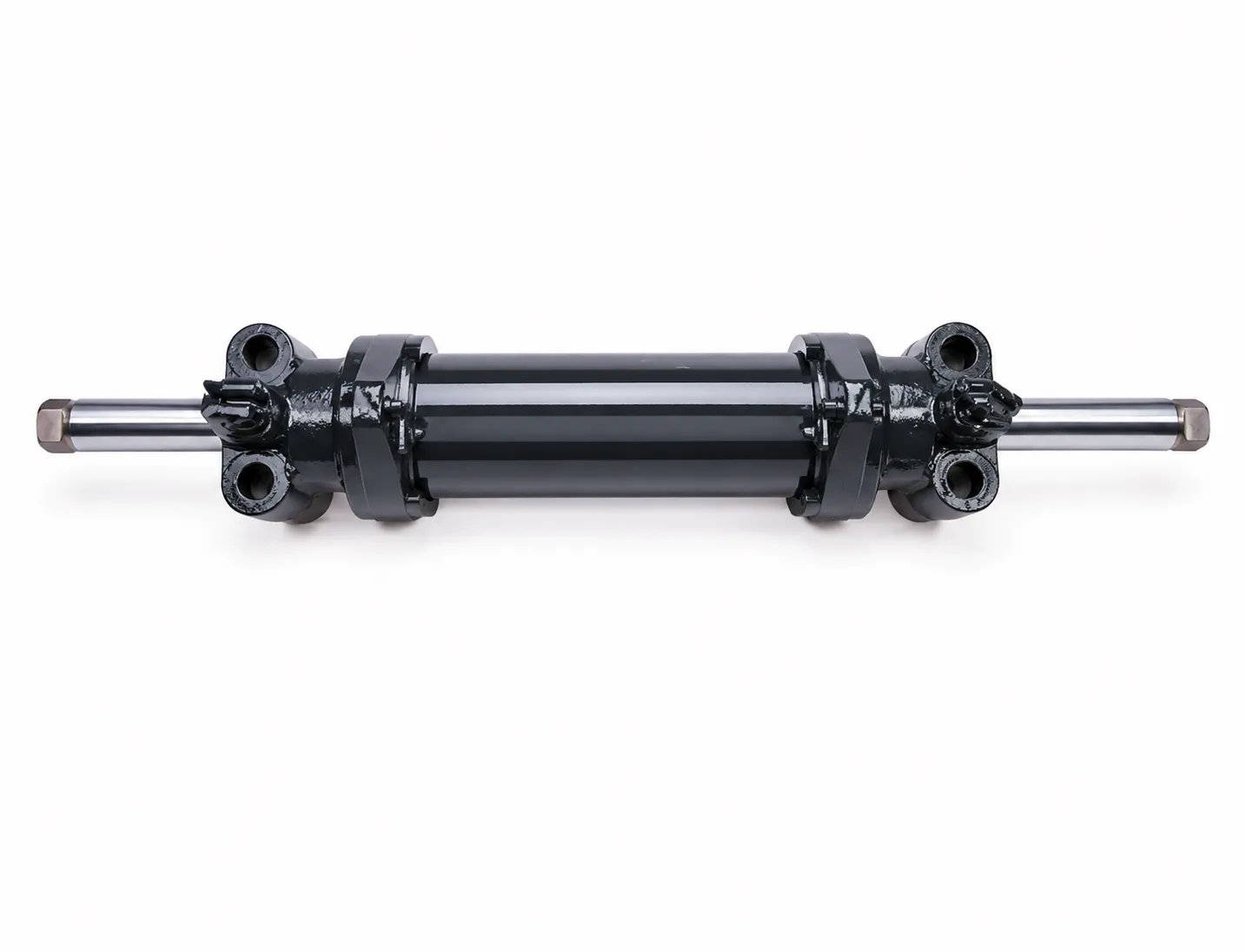
Technical & Performance Parameter Reference Table
The following parameters represent the standard performance envelope for Ever Power steering cylinders. Custom specifications are available for OEM and fleet orders — consult our engineering team via [email protected].
| Parameter | Specification | Notes |
|---|---|---|
| Bore Diameter | 40 – 250 mm | Custom bores available on request |
| Rod Diameter | 25 – 180 mm | Hard chrome plated, Ra ≤ 0.4 µm |
| Operating Pressure | Up to 35 MPa (350 bar) | Proof tested to 1.5× working pressure |
| Stroke Length | 100 – 3000 mm | Longer strokes on engineered-to-order basis |
| Operating Temperature | -30°C to +120°C | FKM seal upgrade for high-temp environments |
| Barrel Material | ST52 / 27SiMn Seamless Steel | Honed bore, surface finish Ra ≤ 0.4 µm |
| Rod Hardness | HRC 50–60 (induction hardened) | 40Cr or 45# base material |
| Mounting Types | Clevis, Trunnion, Flange, Rear Flange | Custom brackets designed to order |
| Cushioning | Adjustable at both ends (optional) | Reduces end-of-stroke shock loading |
| Port Standard | BSP / NPT / SAE (BSPP standard for UK) | Matching UK hydraulic system standards |
| Maximum Side Load | < 5% of axial working load | Design limit — alignment must be maintained |
| Surface Protection | Zinc-nickel, epoxy primer, or PVD coating | Salt spray resistance > 500 hrs |
Core Technical Advantages of Ever Power Steering Cylinders
Engineered to perform under the demanding conditions of UK industrial environments — from coastal agricultural machinery exposed to salt spray to high-cycle urban fleet vehicles.
Industrial Application Scenarios Across the UK
Ever Power: Precision Manufacturing and Customisation Capability
Ever Power operates a fully integrated hydraulic cylinder manufacturing facility equipped with CNC turning centres, internal honing lines, and automated inspection stations. Every dimension in the manufacturing process — bore diameter, rod straightness, chrome plating thickness, weld geometry, and seal groove profile — is controlled to tolerances that exceed the minimum requirements of ISO 6020-1 and ISO 6022. This manufacturing discipline directly benefits the end user by eliminating the dimensional variations that create micro-misalignment at the point of installation before the cylinder has even been connected to a hydraulic circuit.
The customisation capability at Ever Power spans the full range of engineering parameters that matter for UK applications. UK distributors and OEM customers in sectors from agricultural machinery to specialist vehicle conversion regularly commission cylinders with non-standard bore-stroke combinations, bespoke clevis geometry to interface with existing vehicle chassis, specific external corrosion protection systems for coastal environments, and dual-wiper seal configurations for high-contamination environments. All custom designs undergo FEA structural validation before prototyping, and first-article inspection reports are provided as standard to support the customer’s own quality acceptance process.
Supply chain reliability is a core part of the Ever Power offer for UK procurement teams. Standard cylinder configurations are held in finished or semi-finished stock, allowing lead times of 7 to 15 working days for typical orders. Custom-engineered cylinders are produced to a confirmed 4 to 8 week schedule with a dedicated project engineer assigned to each new part development. All shipments to UK customers are documented to UKCA and CE requirements with full material traceability certificates, making the procurement and incoming inspection process straightforward for quality-managed customers.
Customer Success Story: Sheffield Agricultural Machinery Manufacturer
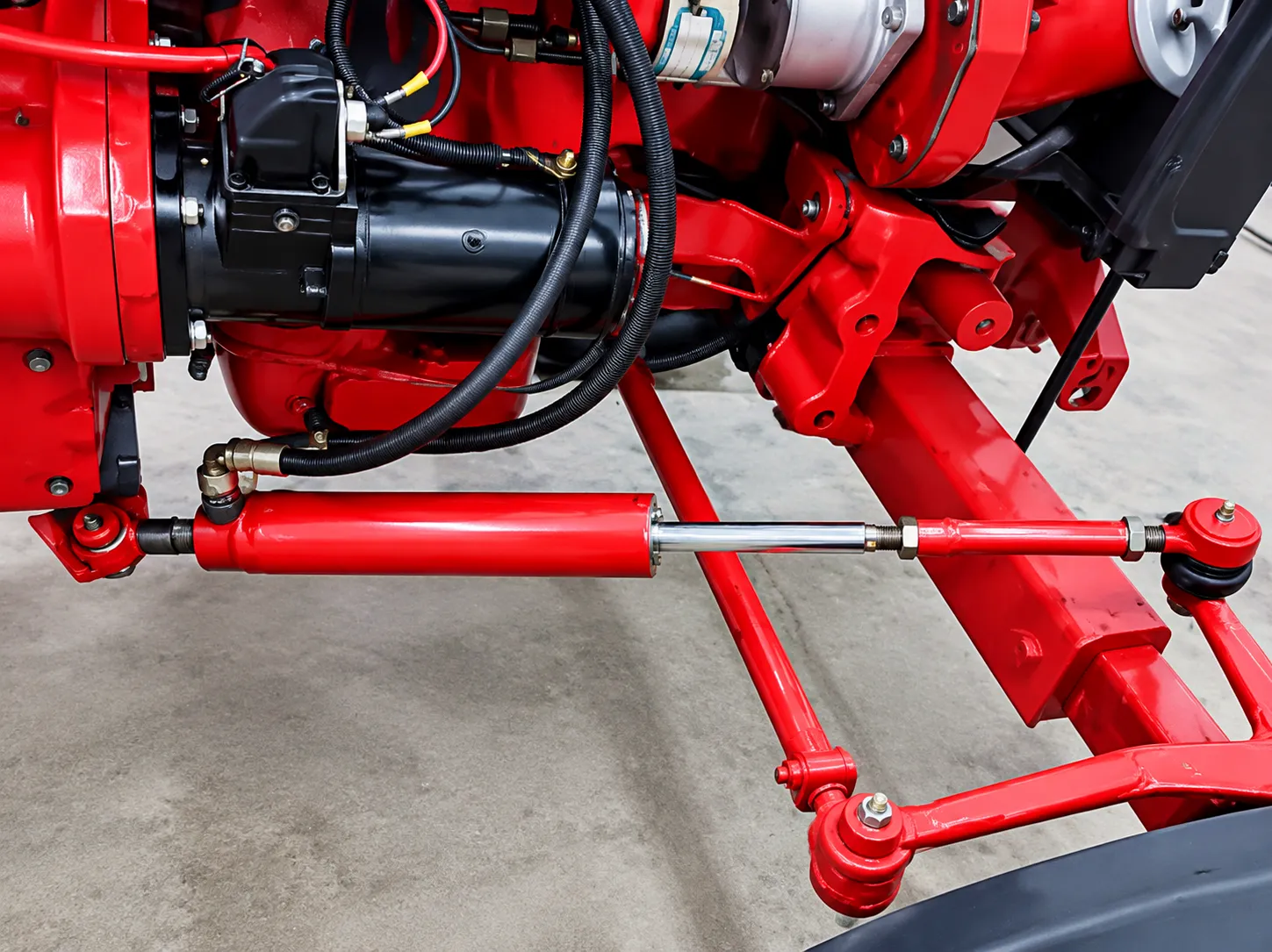 A Sheffield-based agricultural machinery manufacturer producing self-propelled crop sprayers for the UK arable market had been experiencing a recurring rod-seal failure pattern in their steering cylinder assemblies. The cylinders — sourced from a previous supplier — were failing on average at 800 to 1,200 operating hours, well below the 3,000-hour design target. The failure pattern showed classic side-load damage: asymmetric seal lip wear on one side of the rod, with corresponding score marks on the chrome plating at the seven o’clock position relative to the rod centreline.
The manufacturer’s engineering team had already identified that the problem was alignment-related, but their bracket geometry was fixed by the sprayer’s boom frame structure. They needed a steering cylinder supplier capable of engineering a custom mounting interface that would accommodate the specific geometric constraints of their frame while still eliminating the misalignment-induced side load. Their warranty costs were running at approximately £85,000 per year across their UK dealership network, and the seasonal nature of sprayer use meant that a seal failure during spring application was highly visible and commercially damaging.
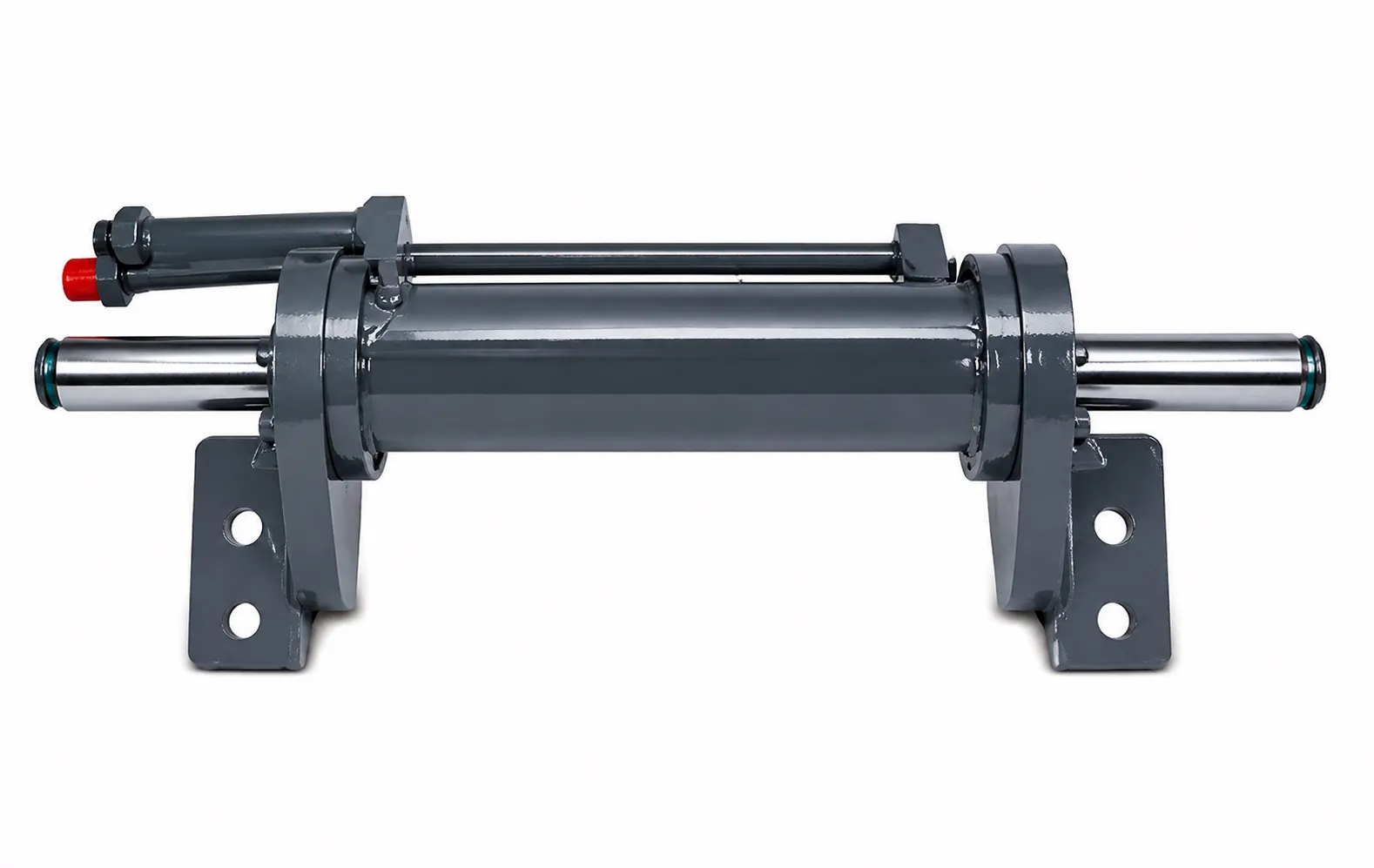
Ever Power’s engineering team reviewed the sprayer’s CAD geometry and proposed a revised cylinder with an integrated spherical rod-end bearing featuring a ±6-degree angular compensation envelope — 2 degrees larger than any off-the-shelf unit available to the manufacturer at the time. The cylinder bore was increased by 10 mm relative to the original to maintain the same force output whilst achieving a more favourable rod-to-bore ratio that improved lateral stiffness. An extended gland nose design was developed to provide 40 mm of additional rod guiding length, reducing the bending moment arm at the seal from the misalignment forces that remained even after fitting the spherical end.
“We had been chasing this seal failure for three seasons. Ever Power’s engineering team understood the root cause immediately and proposed a custom solution that our own suppliers had never been able to offer. The spherical rod-end and extended gland design eliminated the problem entirely. Our service engineers in the field have had no seal callouts since switching.”
“The pressure test certificates and material traceability documentation that come with every Ever Power cylinder make our incoming inspection procedure genuinely straightforward. For a manufacturer supplying into the UK agricultural equipment market, having a cylinder supplier that understands quality documentation requirements is as important as the product itself. The lead times have also been consistently reliable — that matters enormously when you’re building to a production schedule.”
“We sourced custom-bore steering cylinders from Ever Power for our reach truck fleet upgrade programme across our Northampton site. The cylinders arrived correctly specified with BSPP ports — no adaptor fittings needed — and the installation documentation was clear enough that our in-house hydraulic technicians could complete the alignment procedure without calling in a specialist. After 14 months of operation, the rod seals show no sign of wear. The investment paid back within the first quarter through avoided maintenance costs alone.”
Frequently Asked Questions
Share your bore size, stroke, operating pressure, and mounting requirements. Our engineering team will respond within one UK working day with a technical assessment and competitive quote.
✉ Get a Quote: [email protected]