 When an engineer in Birmingham’s automotive supply chain or a procurement lead at a Sheffield heavy fabrication plant specifies a steering cylinder, the conversation about steel grade is rarely given the technical rigour it demands. Yet the choice between carbon steel and alloy steel for the cylinder body is arguably the most consequential materials decision in the entire hydraulic assembly. It shapes fatigue life, sealing integrity, corrosion resistance, and ultimately the total cost of ownership over a product’s working life — which in demanding UK industrial environments can span a decade or more of daily hydraulic cycling. This article cuts through marketing language and gives you the metallurgical facts you need to make that decision with confidence.
How a Steering Cylinder Actually Works — And Why the Body Material is Central
Hydraulic Actuation Principle
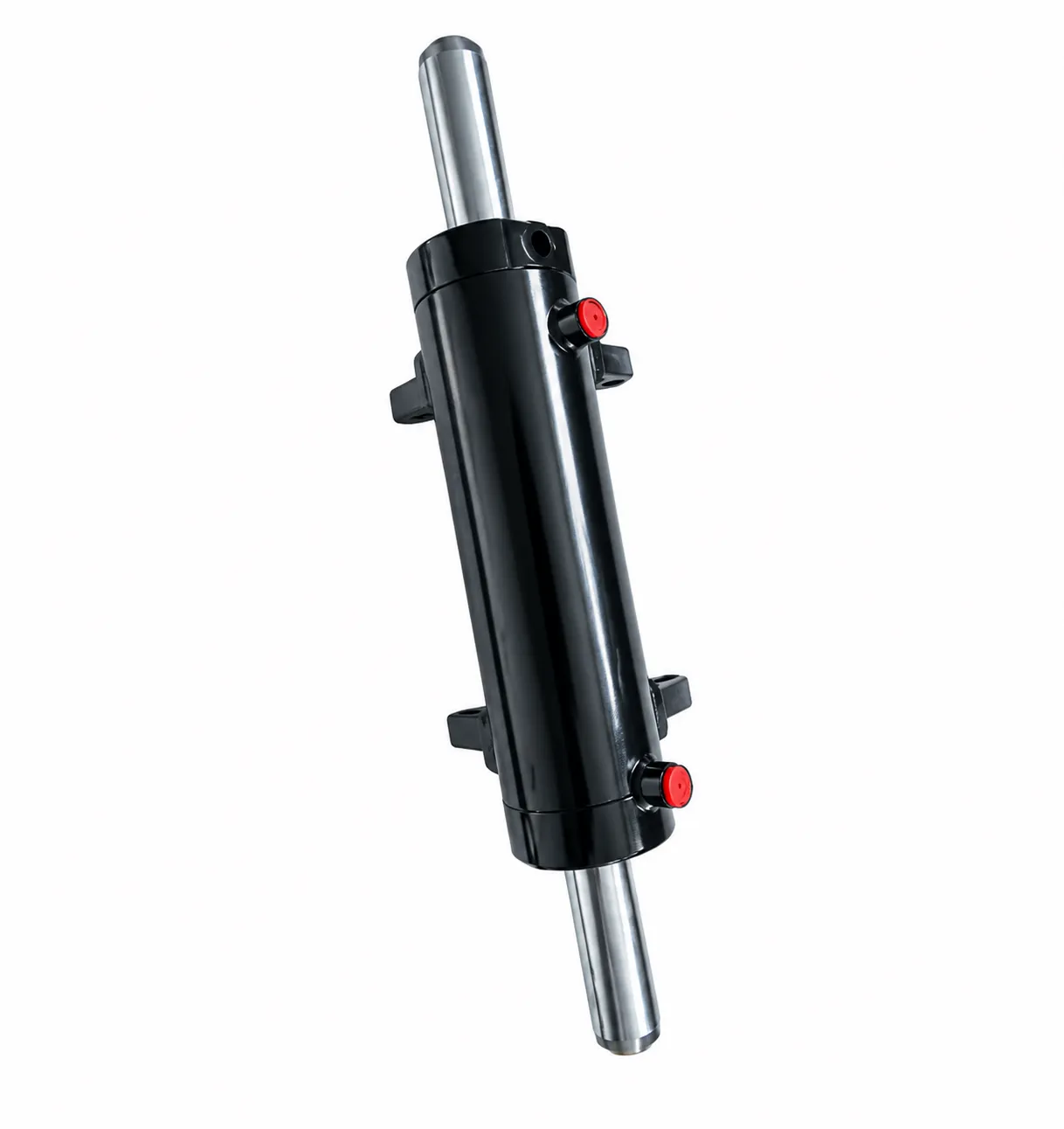
A steering cylinder operates on Pascal’s Law: pressurised hydraulic fluid enters a sealed chamber and exerts force equally in all directions against the cylinder body wall and the piston face. The resulting piston displacement translates into mechanical steering force. Because the pressure is contained entirely by the cylinder body, the hoop stress — the tensile stress acting circumferentially on the tube wall — must remain well within the steel’s yield strength across thousands of duty cycles per operating day. Any material that yields, creeps, or develops micro-cracks under this cyclical hoop loading will ultimately allow seal extrusion, fluid leakage, and catastrophic bore distortion. This is why the base metallurgy of the cylinder body is not a procurement shortcut — it is a fatigue and pressure-containment engineering decision with direct consequences for operational safety and downtime costs in applications ranging from forklift truck fleets in Coventry warehouses to agricultural equipment working in Yorkshire’s farm estates.
Structural Demands on the Cylinder Body
The cylinder body must simultaneously serve as a pressure vessel, a precision bearing surface for the piston seal, a corrosion barrier against hydraulic fluid chemistry, and a structural member that resists bending and side-loading from mounting forces. At working pressures between 160 and 320 bar, which are common across modern heavy steering applications, the wall stress profile demands a steel with not just adequate tensile strength but sufficient toughness, ductility, and fatigue resistance to sustain that loading across millions of pressure cycles without crack initiation. The inner bore surface — typically honed to Ra 0.2–0.4 µm — must maintain dimensional stability despite thermal cycling, which occurs continuously as the hydraulic fluid temperature fluctuates during intensive operation. These cumulative requirements are exactly why the metallurgical differences between standard carbon steel and engineered alloy steel translate into measurable performance gaps in real service conditions.
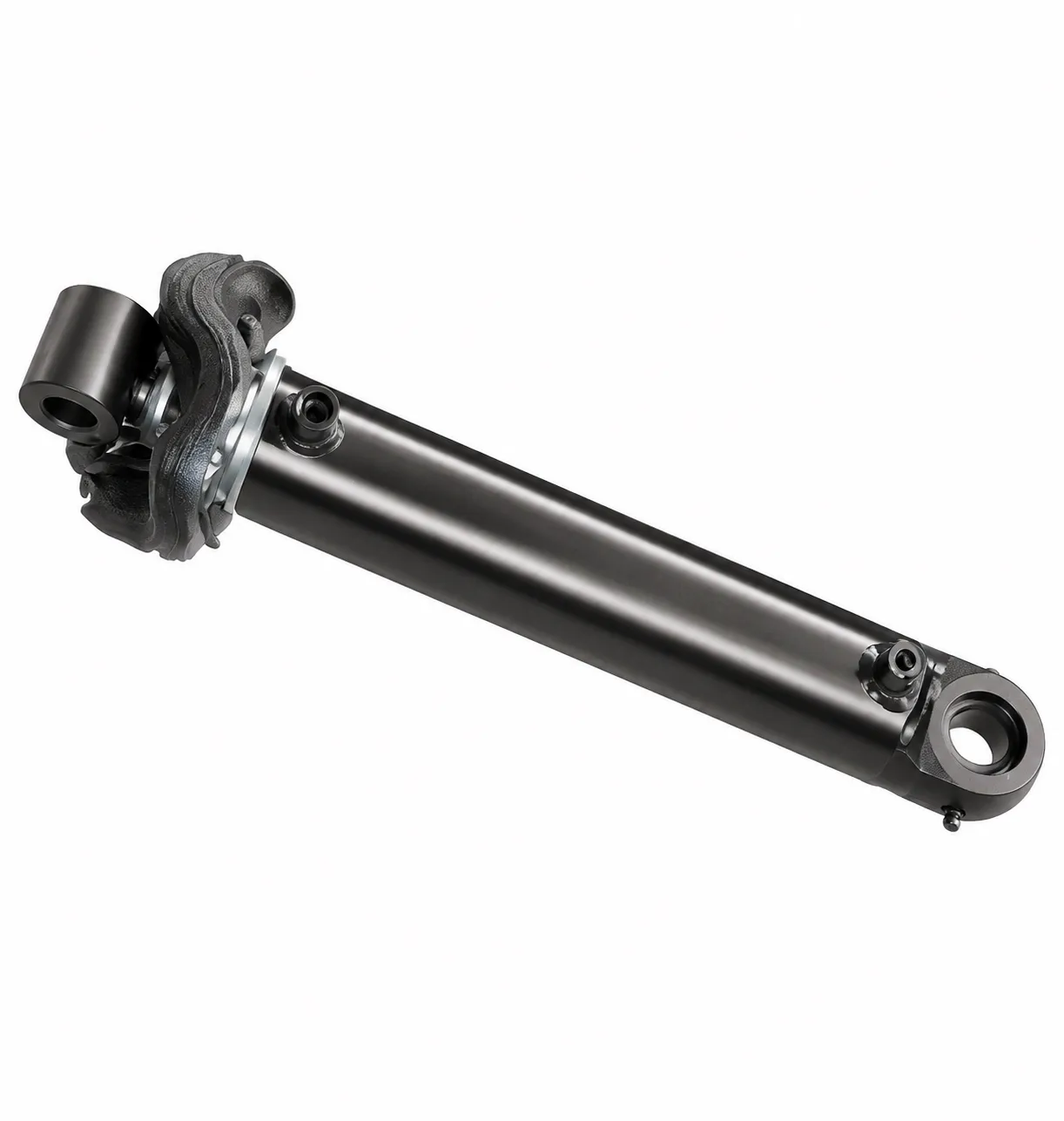
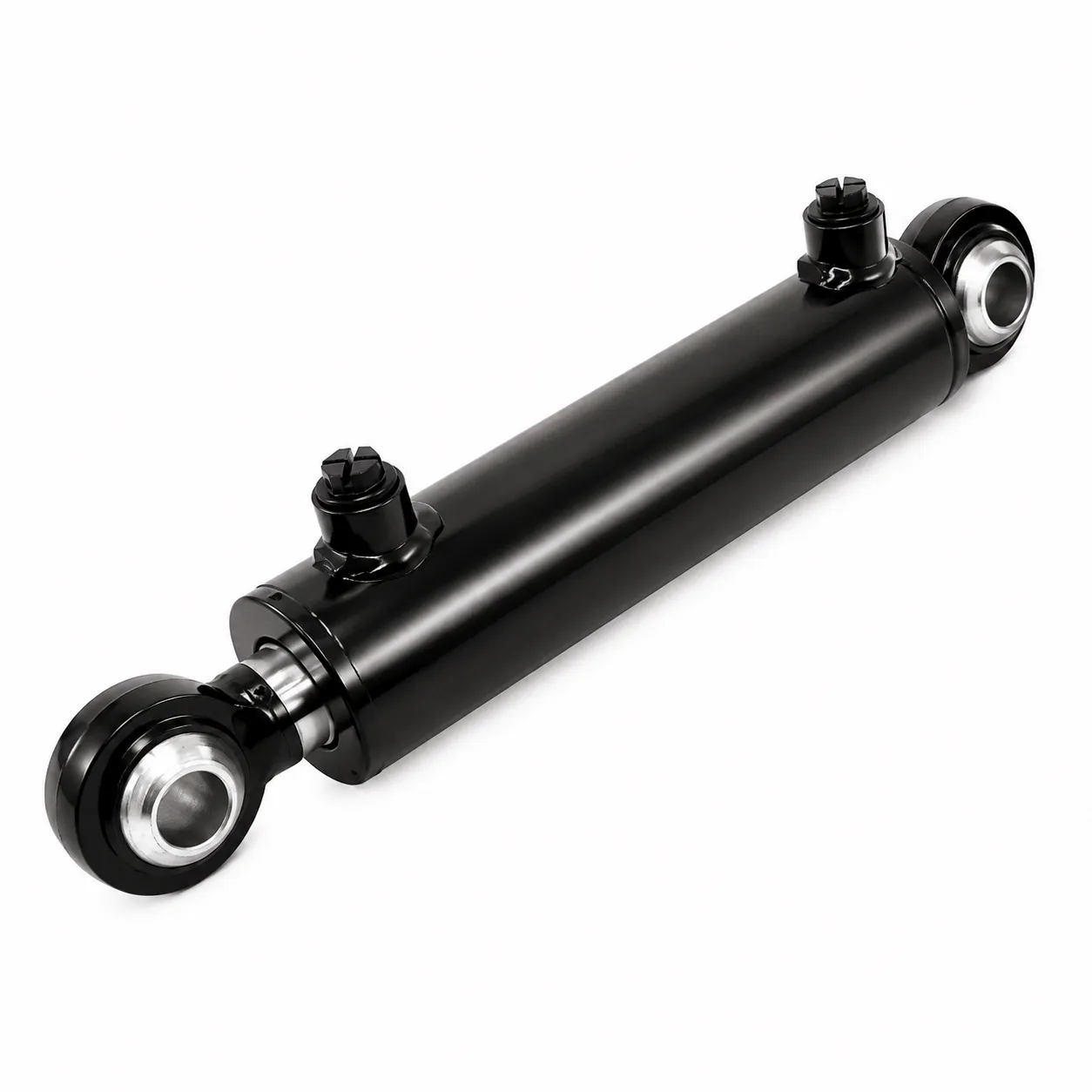
Carbon Steel in Steering Cylinder Bodies: What the Grade Really Means
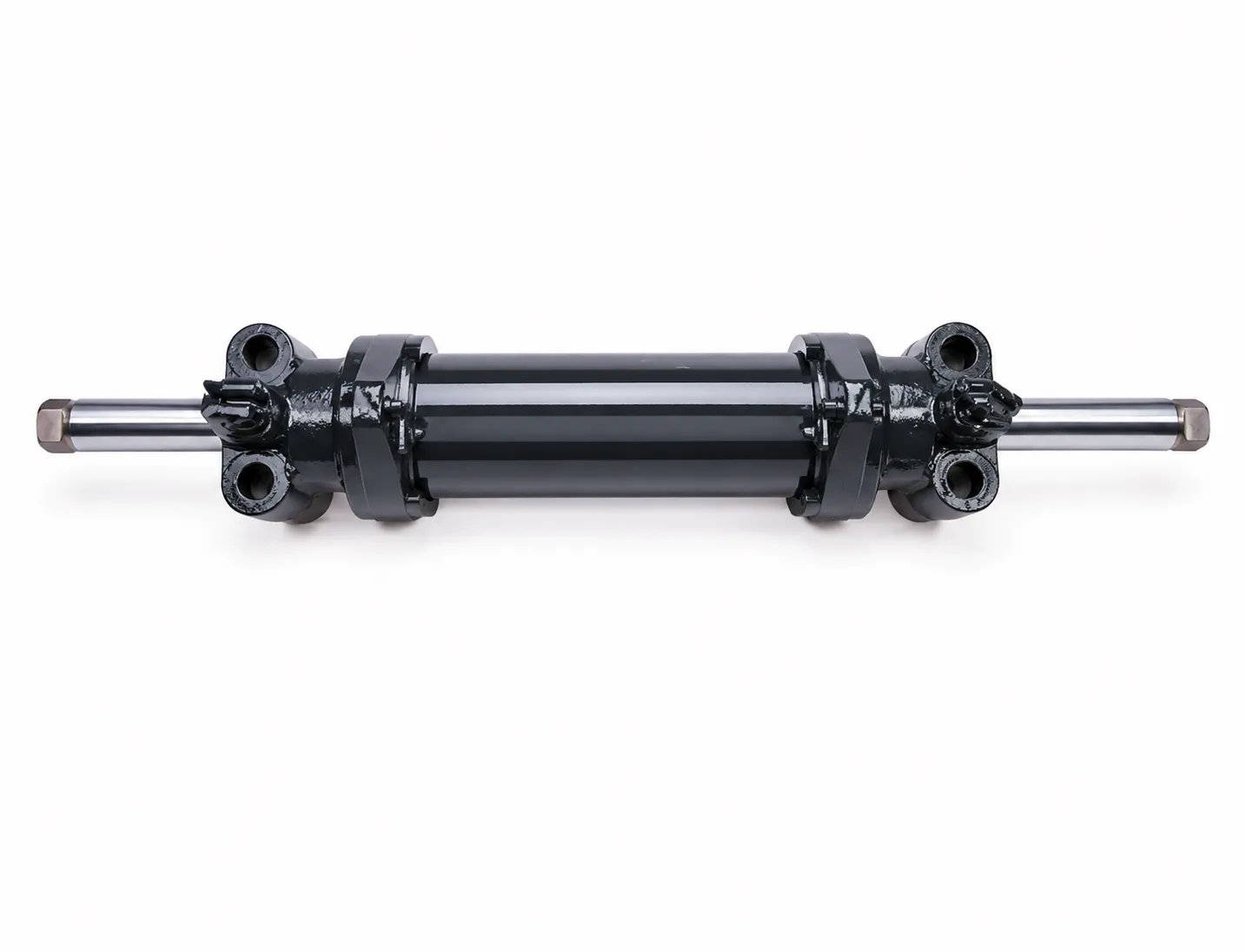
Carbon steel — most commonly grades such as ST52, 20# (Chinese equivalent of AISI 1020), E355, or S355 in the European/UK EN standard — derives its mechanical properties primarily from the controlled carbon content within the iron matrix. In the range of 0.15% to 0.55% carbon, the material achieves a tensile strength that is quite serviceable for many standard hydraulic applications, typically 520–700 MPa depending on the specific grade and heat treatment applied. In cylinder body production, carbon steel in honed tube form is the workhorse material for mid-range pressure applications, particularly where the working pressure does not exceed 200 bar and the thermal environment is stable. Its advantages are compelling from a supply chain and cost perspective: it is widely available from UK steel stockholders such as those serving the Midlands and North West regions, it machines and welds with straightforward tooling, and its behaviour under standard workshop conditions is predictable and well-documented. For applications such as standard warehouse forklifts and light agricultural trailers operating in moderate UK conditions, carbon steel cylinder bodies deliver acceptable service life when correctly specified and properly surface-treated.
Carbon Steel — Key Metallurgical Characteristics
- Carbon content: 0.15–0.55% (grade-dependent)
- Tensile strength: 490–700 MPa
- Yield strength (S355 EN): min. 355 MPa
- Elongation at break: 18–26%
- Hardenability: limited without alloying
- Weldability: excellent (lower carbon grades)
- Machinability: very good
- Corrosion resistance: low without treatment
- Fatigue endurance limit: ~210–280 MPa
Where Carbon Steel Falls Short
The limitations of carbon steel become sharply apparent in high-cycle, high-pressure, and thermally variable environments. Without alloying elements to refine the grain structure and improve hardenability, carbon steel cylinder bodies are more susceptible to fatigue crack initiation at stress concentrations — port entries, end-cap welds, and bore transitions. Their lower hardenability also means that surface hardening treatments such as induction hardening are less effective, leading to a shallower case depth and reduced wear resistance on the bore surface over extended service periods. In environments common across UK maritime industries, open-air construction sites, or cold-storage logistics facilities, where moisture and chemical exposure accelerate surface corrosion, unprotected carbon steel requires more aggressive maintenance schedules and more frequent surface re-treatment to maintain sealing integrity. For procurement managers at organisations operating forklift steering cylinder fleets in demanding UK logistics or port environments, these secondary maintenance costs often erode the initial material cost saving within the first two years of service.
Alloy Steel in Steering Cylinder Bodies: Engineering a Superior Performance Profile
Alloy steel for cylinder body production introduces controlled quantities of chromium, molybdenum, nickel, vanadium, and manganese into the iron-carbon matrix. These additions are not arbitrary — each serves a specific metallurgical purpose that translates into measurable performance improvements in demanding hydraulic service. The most commonly specified alloy steel grades in precision steering cylinder manufacturing are 42CrMo4 (EN 1.7225), 34CrMo4, and 27MnCrB5. Chromium improves hardenability and oxidation resistance, molybdenum enhances creep resistance and grain refinement at elevated temperatures, and nickel additions where present contribute to toughness and impact resistance at low temperatures — a meaningful benefit for equipment operating in the UK’s colder northern regions during winter agricultural seasons. The net effect of these alloying additions is a steel that can be through-hardened or surface-hardened to significantly higher and more consistent case depths than its carbon steel counterparts, achieving bore surface hardness values of 58–65 HRC when induction-hardened, compared to 45–52 HRC achievable with carbon steel under similar treatment parameters.
Raises hardenability depth, improves tempering response, and forms a passive surface oxide that significantly retards corrosion penetration — critical for sealing surface longevity.
Refines austenite grain during heat treatment, improves fatigue endurance limit, and provides creep resistance at temperatures up to 450°C — essential for cylinders near high-temperature hydraulic circuits.
Acts as a deoxidiser during steelmaking, refines grain size, and increases tensile strength and hardness without a significant penalty to ductility — enabling thinner wall sections at equivalent pressure ratings.
Forms fine carbide precipitates that pin grain boundaries, dramatically improving fatigue life in cyclically loaded pressure vessels. Particularly beneficial in cylinder bodies subject to high-frequency steering inputs typical of powered industrial vehicles in fast-paced distribution centre environments.
Steering Cylinder Body: Technical & Performance Parameter Comparison Table
Key engineering parameters across standard carbon steel and alloy steel grades used in steering cylinder body manufacture. Values represent typical production specifications; bespoke grades vary by application requirement.
| Parameter | Carbon Steel (e.g. S355 / ST52) | Alloy Steel (e.g. 42CrMo4 / 34CrMo4) |
|---|---|---|
| Tensile Strength | 490–700 MPa | 900–1200 MPa (heat-treated) |
| Yield Strength | 355–500 MPa | 750–1050 MPa |
| Fatigue Endurance Limit | ~210–280 MPa | 380–560 MPa |
| Bore Surface Hardness (after IH) | 45–52 HRC | 58–65 HRC |
| Typical Max Working Pressure | 160–200 bar | 250–400 bar |
| Operating Temperature Range | -20°C to +120°C | -40°C to +200°C |
| Corrosion Resistance (bare) | Low — requires surface treatment | Moderate — enhanced by Cr content |
| Bore Honing Ra Target | Ra 0.4–0.8 µm | Ra 0.2–0.4 µm (achievable, stable) |
| Typical Stroke Range | 50–800 mm | 50–2000 mm (custom to OEM spec) |
| Bore Diameter Range | 25–200 mm | 20–400 mm |
| Steering Angle Supported | Up to ±35° | Up to ±55° (custom geometry) |
| Service Life (estimated cycles) | 500K–1.5M cycles | 2M–10M+ cycles |
| Seal System Compatibility | NBR, PU standard seals | NBR, PU, PTFE, Viton (high-temp) |
Core Technical Advantages of Alloy Steel Steering Cylinder Bodies
When the application demands high-pressure containment, extended service intervals, or challenging environmental conditions, alloy steel steering cylinder bodies deliver a multi-dimensional performance advantage that justifies the higher material cost across every meaningful performance metric.
Superior Fatigue Life
Alloy steel’s refined grain structure and higher fatigue endurance limit — often exceeding 380 MPa — means that the cylinder body can sustain many times more pressure cycles before crack initiation. For fleets operating multiple shifts daily in Birmingham distribution parks, this translates to service intervals measured in years rather than months.
Higher Pressure Rating at Reduced Wall Thickness
The superior strength of alloy grades allows engineers to design lighter cylinder bodies that handle significantly higher working pressures. This weight reduction is directly relevant in mobile agricultural machinery — a reduced cylinder body mass improves vehicle payload ratings and reduces structural fatigue in mounting interfaces on equipment working across the flat expanses of Lincolnshire’s arable farmland.
Stable Bore Geometry Under Thermal Cycling
Alloy steel’s lower thermal expansion coefficient relative to its strength level, combined with superior microstructural stability after heat treatment, means the precision-honed bore retains its dimensional accuracy across a far wider temperature range. This stability is the foundation of consistent sealing performance and minimal internal leakage across every operating shift.
Enhanced Wear Resistance on Bore Surface
The higher achievable hardness after induction hardening means the bore surface resists wear from piston seal contact and contamination ingress far more effectively. In applications involving abrasive environments — outdoor construction plant in Sheffield’s civil engineering sector, for example — this hardness differential translates directly into dramatically reduced bore wear rates and maintained sealing efficiency over the service life.
Industrial Application Scenarios Across UK Sectors
The steering cylinder is a fundamental hydraulic component across a remarkably wide range of industrial applications in the United Kingdom. From the vehicle fleets of major logistics operators to the specialist machinery deployed in Scotland’s offshore support yards, the decision between carbon steel and alloy steel cylinder bodies has direct implications for uptime, maintenance budgets, and operational safety compliance under the UK Provision and Use of Work Equipment Regulations (PUWER).
Counterbalance and reach trucks operating across the UK’s major logistics hubs — from Amazon fulfilment centres in Rugeley to multi-user warehouses in Northampton’s Midlands Gateway — place high cycle demands on their forklift steering cylinders. With trucks executing hundreds of tight steering manoeuvres per shift across hard concrete floors, the hoop stress cycling is relentless. Alloy steel cylinder bodies are the appropriate specification for high-utilisation fleets, while carbon steel remains adequate for lighter picker trucks operating under lower duty cycles.
The tilt mechanism on counterbalance forklifts adds a second dimension: forklift tilt cylinders experience combined bending and pressure loads that require alloy steel body integrity to prevent cylinder barrel distortion under side-loading from off-centre pallet configurations — a daily occurrence in busy goods-in areas. Maintaining sub-micron bore geometry under these combined loads is simply beyond the capability of standard carbon steel grades at extended service intervals.
Large arable tractors, self-propelled crop sprayers, and precision drilling rigs operating across Yorkshire, Lincolnshire, and the Scottish Borders rely on steering cylinder performance across wide seasonal temperature swings, from sub-zero January mornings to summer field conditions exceeding 35°C. Alloy steel cylinder bodies with their extended low-temperature ductility and superior sealing surface stability are the technically correct choice for these demanding rural applications. The cylinders must also resist the ingress of agricultural chemicals and silage acidic environments, making the enhanced surface treatment adhesion properties of properly prepared alloy steel bodies a significant operational benefit. Carbon steel remains viable for lighter implements where pressures are modest and replacement cycles are aligned with seasonal maintenance.
Articulated dump trucks, wheeled loaders, and graders working on large infrastructure projects — including HS2 groundworks, UK road widening schemes, and urban regeneration projects in Manchester and Leeds — generate some of the most severe steering cylinder loading conditions in any industrial sector. Peak hydraulic pressures can exceed 350 bar during manoeuvring on loose ground, and the cylinder bodies must resist simultaneous shock loading, high-temperature hydraulic fluid, and continuous contaminant exposure. Alloy steel cylinder bodies are non-negotiable in these applications. 42CrMo4 or 34CrMo4 grades, through-hardened and precision honed, provide the combination of high tensile strength, toughness, and bore wear resistance that these demanding duty cycles require without compromise.
Reach stackers, ship-to-shore crane bogies, and heavy terminal tractors at UK ports — including Tilbury, Felixstowe, and Liverpool — operate in a saline environment that is deeply hostile to unprotected carbon steel. In these applications, the choice of cylinder body material must account for both the mechanical duty cycle and the corrosion aggression of the marine atmosphere. Alloy steel cylinder bodies, paired with appropriate surface treatments such as hard chrome plating, ceramic coating, or electroless nickel, provide a corrosion barrier and mechanical durability combination that carbon steel grades simply cannot match over the multi-year service periods expected by port operators who plan maintenance interventions around vessel schedules and container throughput targets rather than monthly hydraulic service windows.
Manufacturing Excellence
Ever Power — Precision Steering Cylinder Manufacturing & Custom Fabrication
At Ever Power, our steering cylinder manufacturing capability is built on a foundation of metallurgical expertise, precision CNC machining, and a quality management system that meets international engineering standards. Our factory’s material selection capability spans the full range from standard carbon steel grades through to advanced high-alloy steels, including 42CrMo4, 34CrMo4, 27MnCrB5, and stainless steel body options for extreme corrosion environments. Every cylinder body produced in our facility passes through a rigorous inspection protocol: incoming material certification verification against mill test reports, dimensional inspection at critical bore tolerance points, surface hardness verification on all induction-hardened bodies, and final hydrostatic pressure testing at 1.5 times the rated working pressure before despatch.
Our customisation capability for UK B2B customers is comprehensive: bore diameters from 20 mm to 400 mm, stroke lengths from 50 mm to 2,000 mm, custom port configurations, non-standard mounting geometries, specialised seal compound selections for chemical compatibility, and bespoke surface treatment specifications. For OEM customers in the UK agricultural machinery and construction plant sectors, Ever Power offers engineering consultation at the specification stage to help select the optimal steel grade and heat treatment route for the specific duty cycle, pressure rating, and environmental exposure of the application — reducing total cost of ownership rather than simply minimising unit purchase price. Our logistics partnership with major international freight forwarders ensures reliable delivery to UK customers with full documentation for customs clearance.
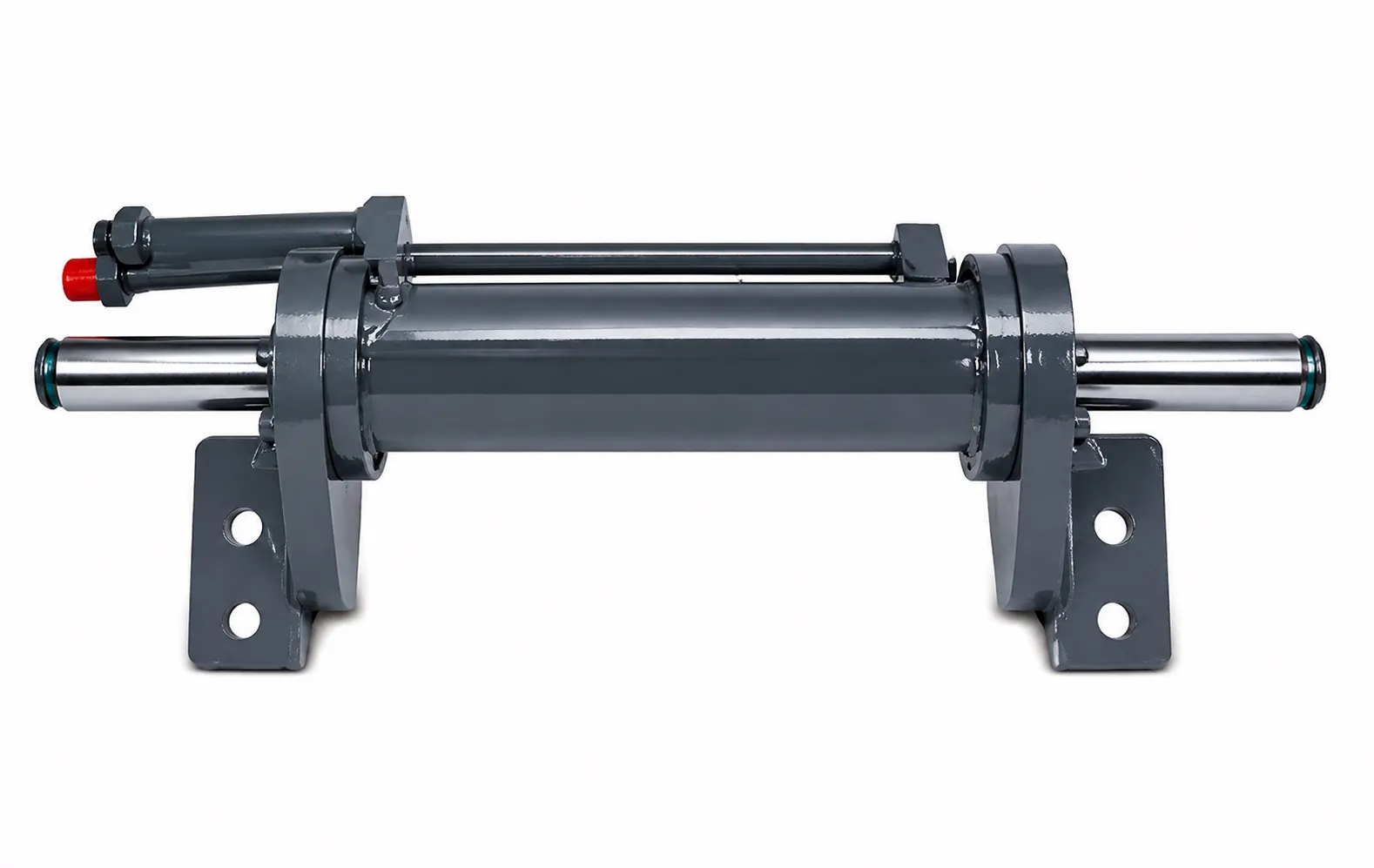
Customer Success Story: Sheffield Steel Service Centre Fleet Upgrade
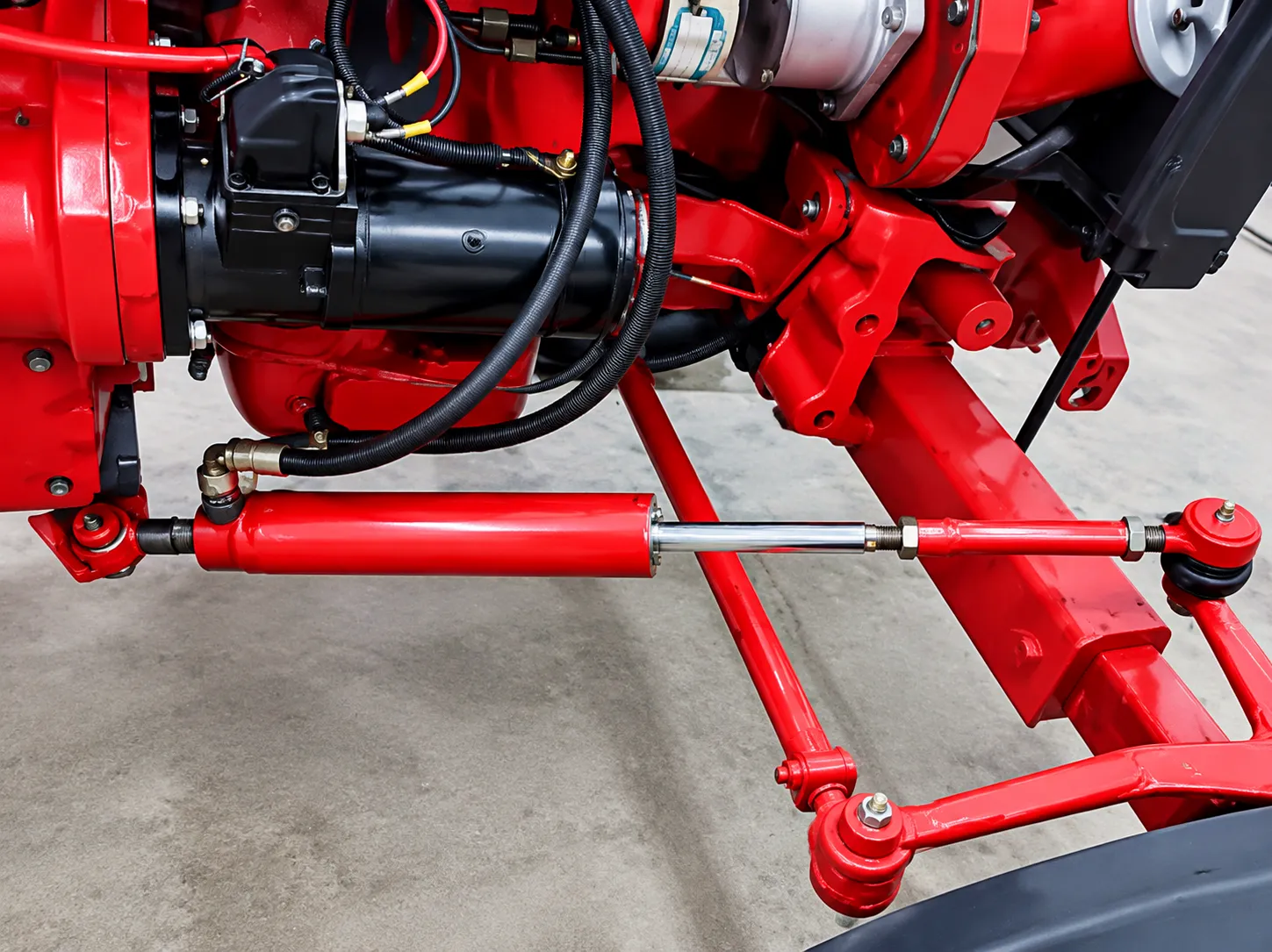 A long-established steel service centre in Sheffield’s Lower Don Valley — processing and distributing structural steel sections, coiled sheet, and plate to fabricators across the North of England — was experiencing recurring steering cylinder failures across its fleet of 18 heavy counterbalance forklifts rated at 5–8 tonne capacity. The cylinders in question were fitted with carbon steel ST52 cylinder bodies sourced through a European distributor. In the service centre’s operating environment — constant floor contamination with metal swarf, cutting oil mist, and hydraulic fluid spillage, combined with heavy loads including coiled steel weighing up to 6 tonnes per lift — the cylinders were averaging just 14 months of service before seal failure, bore scoring, or barrel distortion necessitated replacement.
The maintenance manager contacted Ever Power after a recommendation from a hydraulics specialist in the Midlands. Following a detailed application review — covering working pressure profiles, duty cycle analysis, and environmental exposure — Ever Power specified replacement steering cylinder bodies in 42CrMo4 alloy steel, through-hardened to 28–32 HRC and bore-honed to Ra 0.25 µm. The rod sealing system was upgraded to Viton compound for compatibility with the cutting oil contamination in the hydraulic fluid. Cylinders were manufactured and delivered to the Sheffield site within a six-week lead time, with full material test certificates and hydrostatic test records supplied for the client’s maintenance documentation system.
Eighteen months after installation, zero cylinder failures had been recorded across the entire fleet. The maintenance team’s annual hydraulic system maintenance cost fell by an estimated 47% compared to the preceding three-year average. The service centre subsequently converted its remaining two forklifts from legacy supplier cylinders to Ever Power alloy steel units, completing a full fleet standardisation that simplified spare parts inventory and enabled a single-supplier servicing protocol across all 18 machines.
Customer Reviews
“The 42CrMo4 cylinder bodies have been running for over 20 months in our steel coil handling operation without a single seal failure. The bore surface is holding its finish in conditions that used to chew through our previous cylinders in a year. Ever Power’s technical team understood exactly what we needed and specified accordingly — that’s rare from an overseas supplier.”
“We operate agricultural contract machinery across the Yorkshire Wolds and the cylinder bodies Ever Power supplied for our self-propelled sprayer steering system have shown zero bore distortion after two full cropping seasons. The customised port positions and clevis mount dimensions matched our OEM spec perfectly. The material test certificates were exactly what our insurers required. Delivery was well within the agreed window — we’ll be ordering again for the autumn fleet build.”
“Our port equipment purchasing team evaluated three manufacturers before choosing Ever Power for our reach stacker steering cylinder replacement programme at the Port of Tilbury. The alloy steel specification, the hard chrome rod treatment, and the dual-lip seal configuration gave us exactly the saltwater environment durability we needed. The Ever Power quotation process was transparent and the lead time was competitive with European suppliers. We’ve now standardised on their alloy steel bodies across eight units.”
Frequently Asked Questions
Real questions from engineers, buyers, and fleet managers across the UK manufacturing and logistics sectors.
Ready to Upgrade Your Steering Cylinder Specification?
Speak with Ever Power’s engineering team about the right alloy steel grade and custom configuration for your UK application. Responses within 24 hours.
✉ Get a Quote: [email protected]
edit by gzl