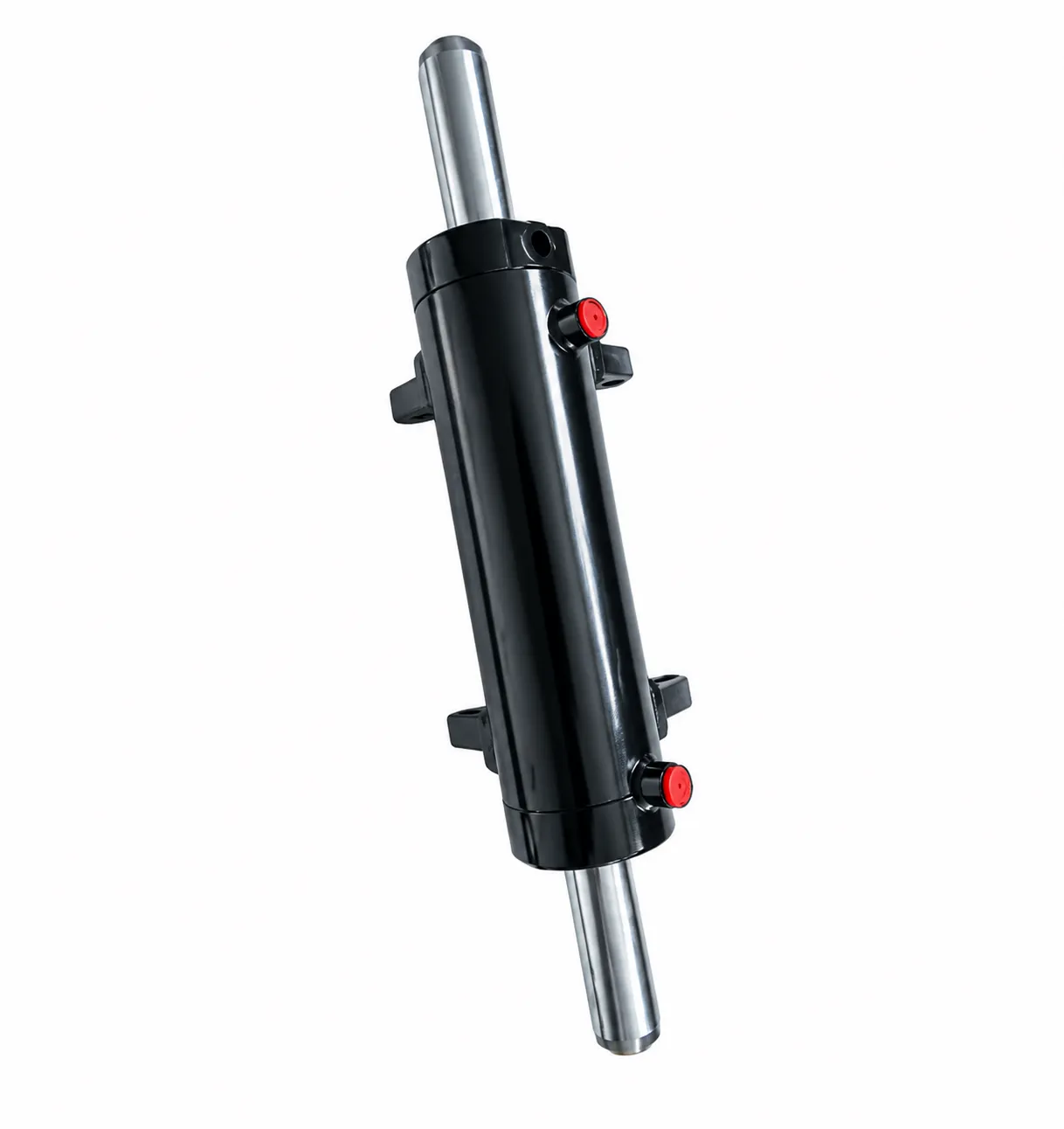
 Seal failure in a steering cylinder rarely announces itself with a dramatic breakdown. More often, it creeps in — a faint weep of hydraulic fluid along the rod, a subtle loss of directional response, or the slight but unmistakable lag that an experienced operator notices before any workshop instrument catches it. For maintenance teams managing heavy plant in the UK’s construction, agriculture, and materials handling sectors, catching this degradation early is the difference between a planned service during a quiet shift and an unscheduled stoppage that cascades through an entire production schedule. The challenge, historically, has been that thorough seal inspection meant pulling the cylinder completely off the machine, stripping it down on a bench, and committing several hours of skilled labour. That approach remains valid for full overhaul, but it is not always practical mid-campaign on a busy site in Coventry or during a tight harvest window in the East Midlands.
Why the Seal Is the Most Critical Component in Any Steering Cylinder
The hydraulic seal assembly in a steering cylinder does something geometrically demanding: it must maintain a pressure-tight boundary around a moving rod, resisting both the internal system pressure — commonly 200 to 350 bar in heavy plant — and the contamination pressure from the external environment. Unlike a static seal, which simply fills a gap, a dynamic rod seal must flex, recover, and maintain interference fit through tens of thousands of actuation cycles. The wiper seal, positioned at the rod’s exit point, strips abrasive particles from the rod surface before they reach the primary seal. When the wiper degrades, grit enters the seal stack and accelerates wear in a compounding cycle. A steering cylinder operating a telehandler on a muddy Yorkshire building site faces this challenge every time the operator turns the wheel. In agricultural machinery working the chalk soils of the South Downs, fine particulate ingestion is a persistent threat. Understanding the seal’s role is the foundation of any useful inspection — you are not just looking for leaks, you are reading the wear history of the entire seal stack.
The Six-Stage Field Inspection Protocol
Applicable to all major steering cylinder configurations — double-acting, single-acting, and tie-rod designs — without requiring removal from the machine.
Visual Surface Assessment of the Rod Finish
Before anything else, clean the exposed piston rod with a lint-free cloth and examine the chrome surface under adequate lighting — a strong LED torch held at a shallow angle is more diagnostic than overhead fluorescent light. You are looking for scoring marks running parallel to the rod’s axis, pitting from corrosion, or bright polishing patterns that indicate the seal is running eccentrically rather than concentrically. Any longitudinal score deeper than approximately 0.05 mm provides a leak path that no seal material can bridge reliably under operating pressure. On cylinders that have been in service through a UK winter — where road salt aerosol and freeze-thaw cycling attack exposed chrome — surface corrosion just beyond the wiper seal is common and particularly important to check. Photograph any anomalies with a scale reference so the service record is meaningful for future comparison. This stage costs nothing beyond five minutes of attention and rules out or confirms the most common mechanical cause of accelerated seal wear.
Static Pressure Hold Test — The Most Revealing Non-Disassembly Check
With the machine on level ground and the engine at idle, steer to full lock against a solid resistance — a kerb or concrete wall contact works — and maintain that pressure for a measured two minutes. Monitor the system pressure gauge throughout. Any drop greater than 15 bar per minute in a system nominally pressurised at 200 bar or above indicates internal bypass past the piston seal. This is the single most informative test you can perform without dismounting the cylinder, because it isolates seal bypass from other hydraulic system losses. A steering cylinder showing internal bypass in this test is not safe for continued heavy-duty operation; it will generate heat in the oil, accelerate fluid degradation, and produce increasingly unpredictable steering response under load. For fleet managers operating construction plant across the Midlands or bulk-handling equipment at a port facility in Bristol, this two-minute test during a scheduled service walk-around can prevent the kind of mid-shift failure that stops production and triggers penalty clauses in site contracts.
External Leak Classification at the Gland
Wipe the gland area completely dry with a clean rag, cycle the steering lock-to-lock three times at moderate speed, and then examine the gland seal junction immediately. A correctly functioning steering cylinder should show no wetness whatsoever — not a film, not a mist. Industry classification distinguishes between three levels: seeping (a faint oil film that does not form droplets), weeping (droplets that form but do not drip within a two-minute observation period), and leaking (droplets that fall freely). Seeping at a gland seal is a yellow flag requiring monitoring and a scheduled replacement within one service interval. Weeping is a red flag requiring replacement before the next heavy operational cycle. Leaking is a stop-work condition — the cylinder must be taken out of service. This classification should be documented consistently across a fleet so that service records build a meaningful wear-pattern picture over time, which is particularly valuable for operators running multiple machines across sites in the North West of England or Scotland where access to rapid workshop support can be challenging.
UV Dye Fluorescent Leak Detection for Marginal Cases
When the visual assessment is inconclusive — the cylinder is dirty, the light is poor, or the seeping is genuinely marginal — adding a UV-compatible fluorescent dye to the hydraulic circuit and then scanning with an ultraviolet lamp after a normal operating cycle eliminates all ambiguity. The dye concentrates at the leak point, making a trace that would be invisible under white light glow bright yellow-green. This technique is especially useful on enclosed-cab machines where the cylinder is partially obscured by guarding, or on articulated steering arrangements where the cylinder geometry makes direct visual access difficult. UV dye detection is fully reversible — the dye does not affect fluid properties at recommended addition rates (typically 1 ml per 10 litres of system volume) and it remains detectable at subsequent service checks, giving a timeline reference for progression. Many hydraulic specialists serving UK plant hire companies now carry UV kits as standard precisely because the technique bridges the gap between a field walk-round check and a full workshop investigation.
Oil Sample Analysis for Contamination Signature
Hydraulic oil sampled from the steering circuit carries a chemical and particle record of everything happening inside the cylinder. A standard spectrometric oil analysis report from any reputable UK laboratory — most return results within 48 hours, with some offering same-day courier collection from industrial sites in Manchester, Leeds, and the Midlands — provides silicon content (indicating dust ingestion past the wiper seal), iron particle count (indicating bore or rod wear), and rubber compound fragments (indicating seal material degradation). Silicon above 25 ppm in a closed system is a reliable indicator that the wiper seal is not performing. Iron particles in the 10–20 micron size range point specifically to bore wall contact, suggesting the piston seal has worn sufficiently for the piston to travel eccentrically. This technique does not replace direct inspection but it provides objective, quantified data that supports workshop decisions and creates a defensible service record, which matters for warranty management and compliance documentation under UK plant safety regulations.
Operational Response Mapping Under Controlled Load
The final stage of a field inspection is a controlled response test. With the machine on a firm surface and the steering system at operating temperature (typically 45–55 °C oil temperature), note the lock-to-lock time at idle and at rated engine speed. Any time differential greater than 20% between the two readings, when the hydraulic pump output is known to be within specification, suggests internal bypass is absorbing working pressure. Additionally, measure the mechanical play in the steering linkage before hydraulic pressure builds — more than 5 mm of rod movement before the cylinder begins to resist points to a loss of seal pre-load, which is a strong indicator of piston seal wear even without visible external leakage. Documenting this data at each service creates a trend line that predicts failure before it occurs, a practice increasingly adopted by progressive fleet maintenance teams across the UK’s infrastructure construction and logistics sectors.
Steering Cylinder Products for UK Industrial Applications
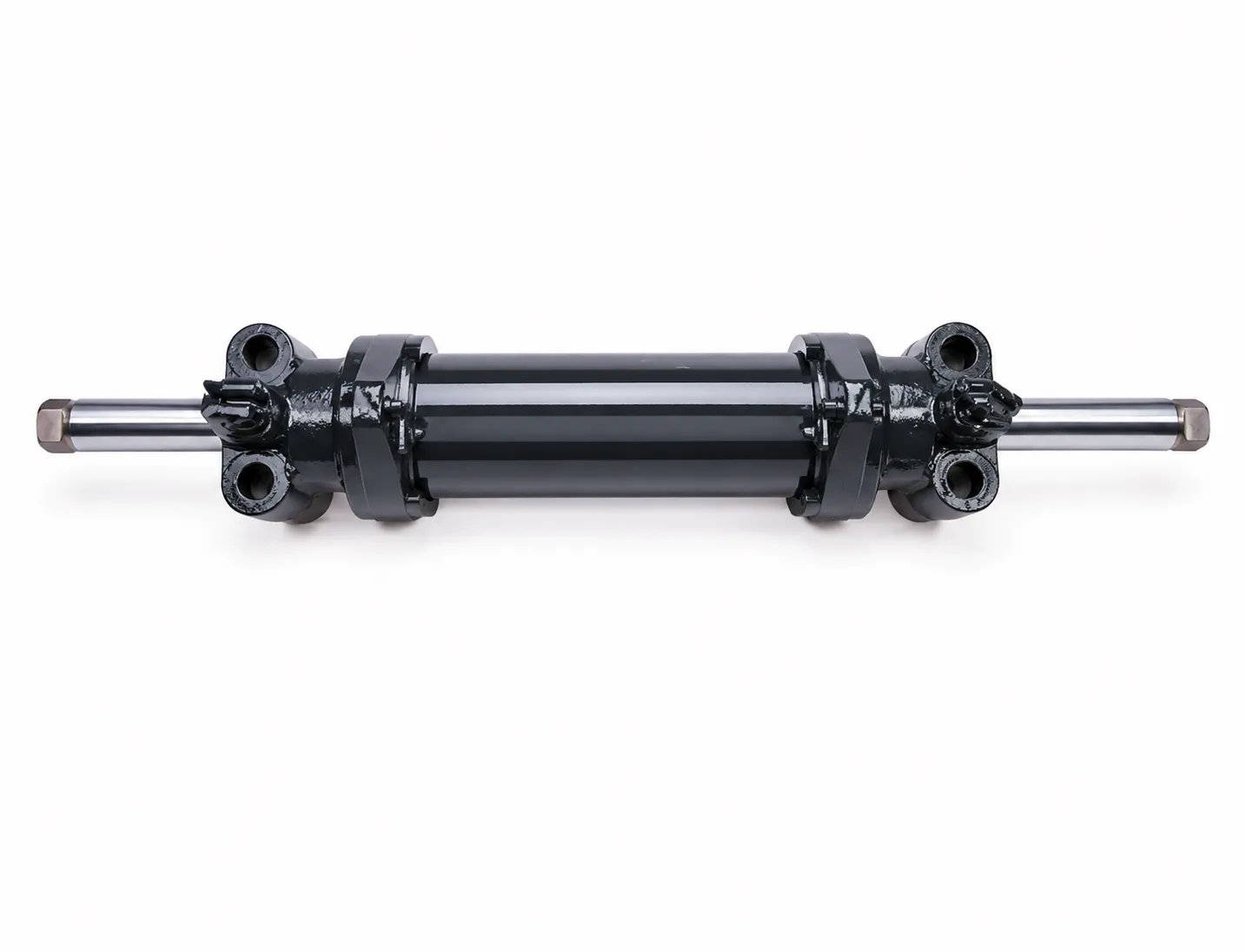
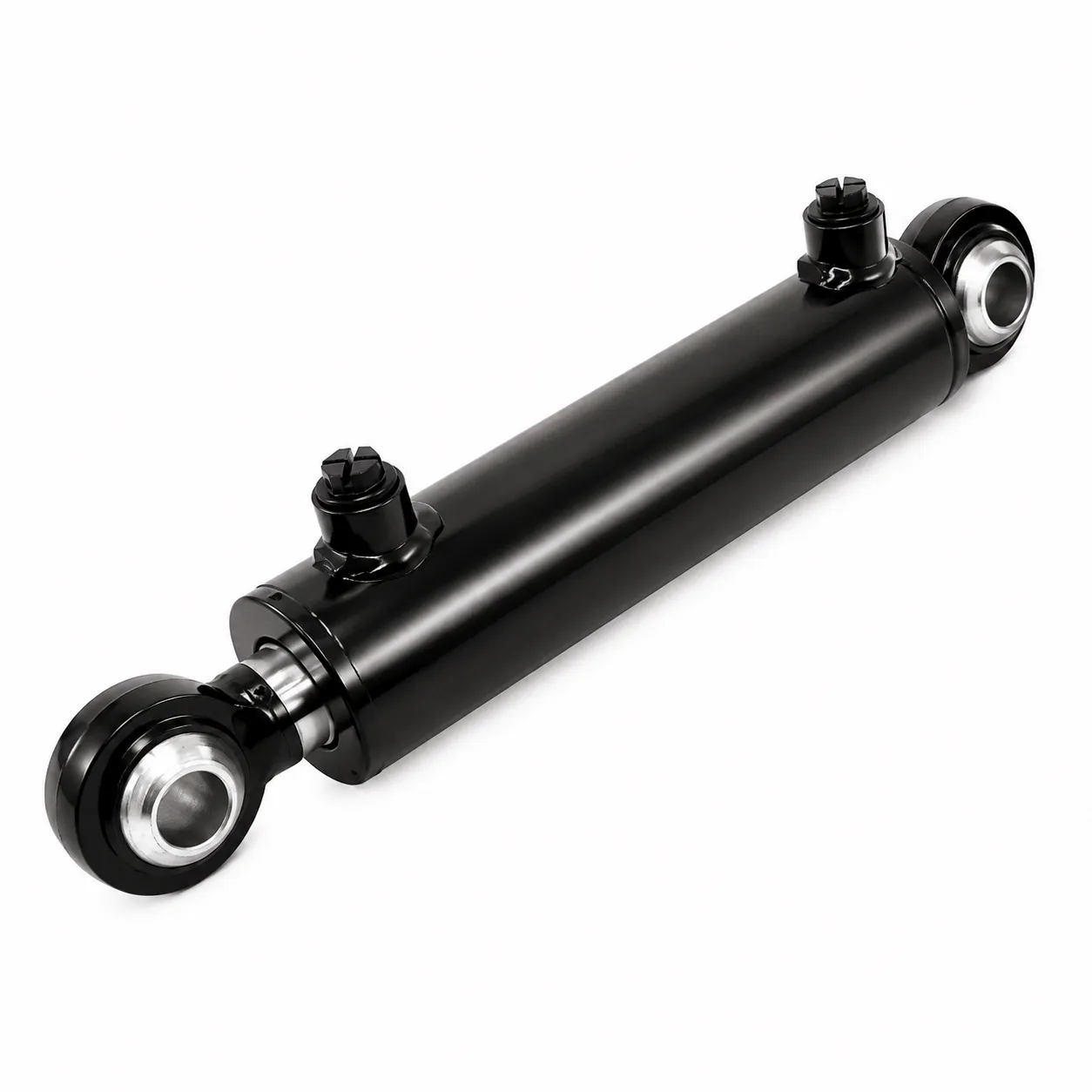
Compact Series
Mini Forklift Attachment Hydraulic Cylinder
Precision-engineered for compact forklift steering applications, featuring triple-lip seal configuration for extended service life in high-cycle warehouse environments. Seal geometry is specifically optimised to resist hydraulic bypass even after sustained high-frequency operation.
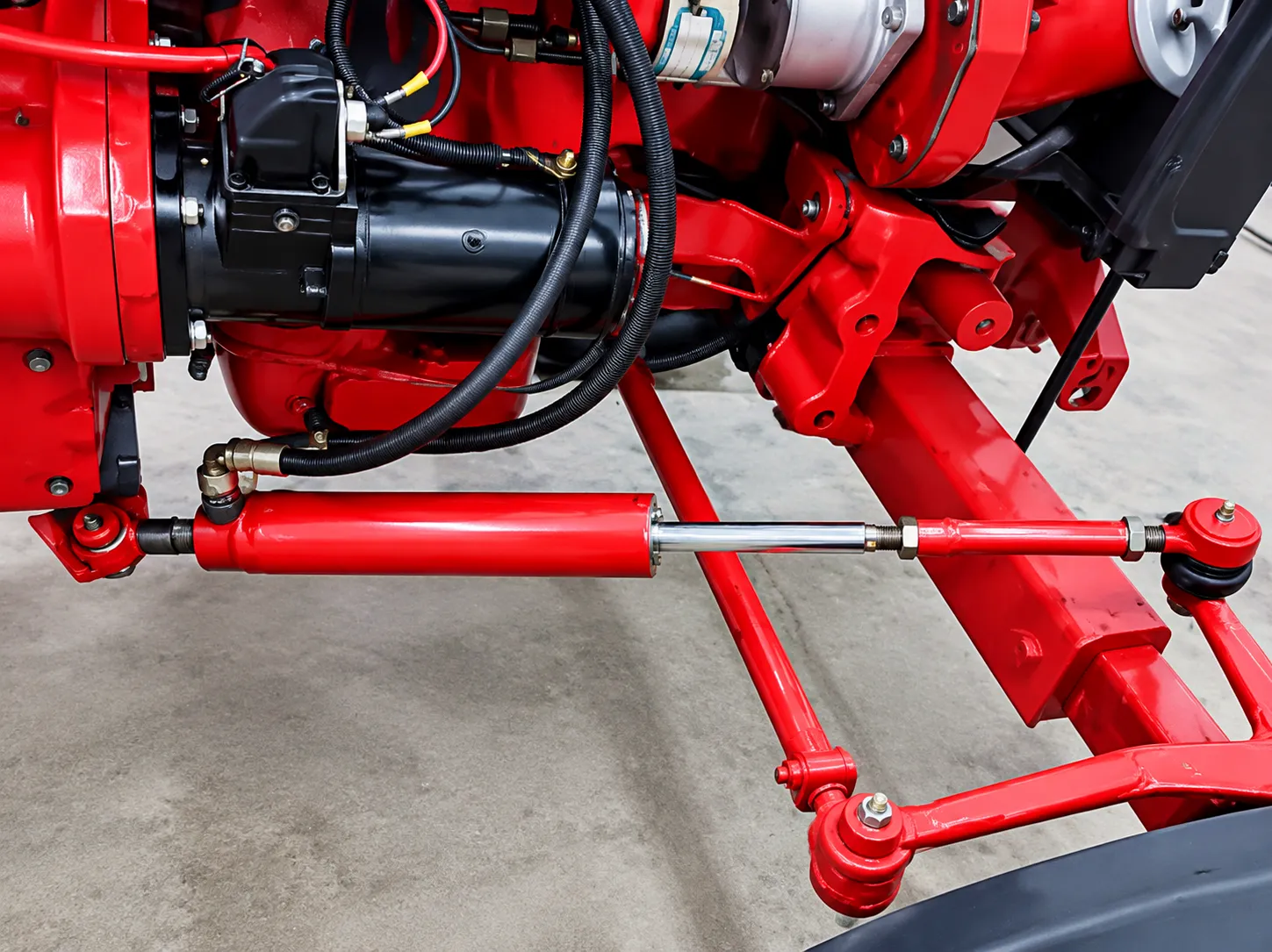
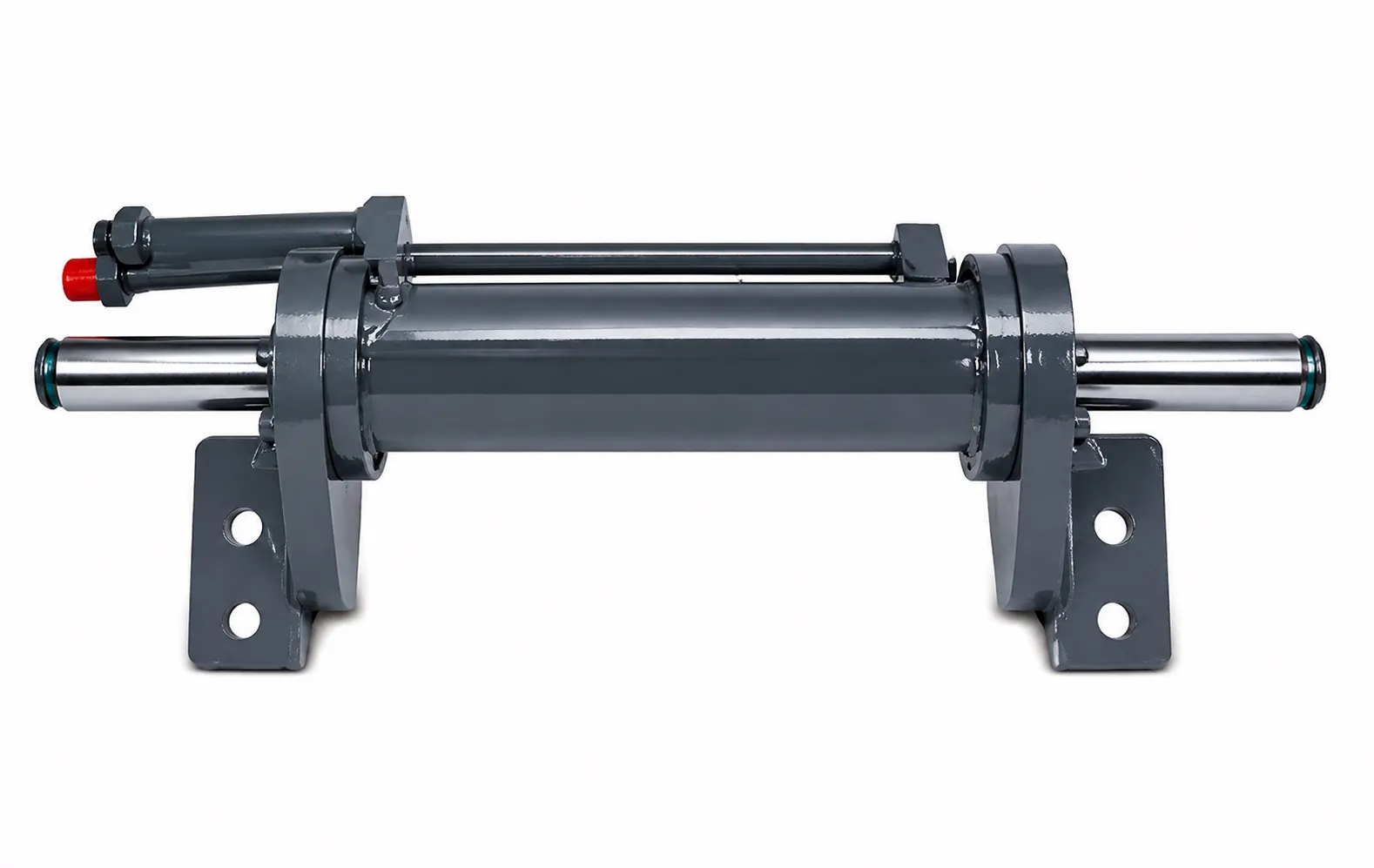
Medium-Duty Series
Medium-Duty Forklift Attachment Hydraulic Cylinder
Built for the demanding load cycles of medium-category materials handling equipment, this cylinder features a hardened chrome rod, PTFE-composite piston seal, and a polyurethane wiper seal rated to -30 °C — fully suited to UK outdoor logistics environments including distribution hubs and port facilities year-round.
Steering Cylinder Seal & Performance Specification Table
Technical parameters for Ever Power steering cylinder standard and customised ranges.
Understanding Seal Material Behaviour Across Working Conditions
Polyurethane (PU)
The workhorse material for rod and piston seals in the 0 °C to 80 °C operating band. PU offers excellent abrasion resistance and good extrusion resistance under moderate pressure. Its limitation is that it absorbs water over time, swelling in cross-section and altering the interference fit — a meaningful concern for cylinders on outdoor machinery in the notably damp climate of the UK’s northern regions and Scotland. Inspection should specifically check for uniform seal geometry rather than assuming swelling-related tightness is normal tension.
PTFE Composite
PTFE-based seals are the material of choice where temperature extremes and chemical resistance are paramount. They exhibit virtually zero swell, excellent low-friction characteristics that reduce rod force requirements, and compatibility with a wide range of hydraulic fluid types including bio-hydraulic fluids increasingly specified in environmentally sensitive UK projects. Their inspection challenge is that PTFE wear is difficult to detect visually — it occurs primarily by slow extrusion and thinning rather than by cracking or swelling, making oil analysis the most reliable diagnostic tool.
FKM (Viton)
For high-temperature applications — continuous duty heavy plant, steel processing facilities in Sheffield, and high-cycle pressing equipment in the Midlands manufacturing belt — FKM seals provide working temperature capability to 150 °C and outstanding resistance to the oxidative degradation that affects other elastomers at elevated oil temperatures. FKM is also inherently compatible with phosphate-ester fire-resistant hydraulic fluids used in die casting and foundry applications. The visual inspection indicator for FKM degradation is surface crazing — a fine network of surface cracks rather than smooth wear tracks.
Application Scenarios: Where Steering Cylinder Seal Integrity Is Mission-Critical
Real-world inspection priorities across UK industrial sectors.
⚙ Agricultural Machinery — East Midlands & Yorkshire
Combine harvesters, self-propelled sprayers, and large tractors operating across the arable regions of Lincolnshire and Yorkshire generate extreme seal demands: high-pressure operation, fine silica particle ingestion from harvested crops, and sudden temperature cycling as the machine moves between shaded field margins and exposed terrain. Steering cylinder seal inspection should occur at every 500-hour service point as a minimum, with oil sampling at 250 hours during peak harvest.
🏗 Construction Plant — Midlands Infrastructure Projects
Large articulated dump trucks, motor graders, and wheeled loaders on construction sites around Birmingham and Coventry operate steering cylinders at high duty cycles, often on gradients and with asymmetric loading that places lateral bending loads on the piston rod. Seal wear in this context is often eccentric — heavier on one seal lip than the other — and the UV dye technique described above is particularly valuable for finding the asymmetric leak point without cylinder removal.
🚢 Forklift Fleets — Logistics & Warehousing
High-cycle reach trucks, counterbalance forklifts, and articulated warehouse vehicles at distribution centres across the UK — including the major logistics corridors of the M1 and M6 — complete thousands of steering actuation cycles per shift. Seal inspection frequency should match the intensity of use rather than calendar intervals, and the six-stage protocol described here is practical during scheduled battery-change or pre-shift walk-around inspections that are already embedded in most professional fleet management programmes.
⛶ Marine & Port Equipment — Bristol, Southampton, Felixstowe
Straddle carriers, reach stackers, and terminal tractors at UK container ports operate in a particularly aggressive corrosion environment. Salt-laden air degrades chrome rod plating faster than any other exposure, and the wiper seal works continuously against a contaminated rod surface. Monthly UV dye checks and quarterly oil analysis should be standard practice. Seal replacement before the rated service interval is generally more cost-effective than an unplanned stoppage that disrupts container throughput.
Ever Power: Precision Manufacturing and Customisation Capability
When standard specifications are not enough — because they rarely are in demanding industrial applications.
Ever Power’s manufacturing operation centres on a philosophy that has defined the company’s reputation across B2B markets in Europe and beyond: precision is non-negotiable, and customisation is a standard service rather than a premium exception. The workshop is equipped with CNC honing lines capable of achieving bore surface finish to Ra 0.2 µm — the level required for PTFE piston seals to achieve their rated service life — alongside induction hardening capacity for piston rods that delivers a hardened depth of 1.5 to 4 mm depending on rod diameter and application load profile.
For UK customers requiring rapid supply in sectors where lead time directly impacts project schedules — infrastructure construction, plant hire, and agricultural OEM — Ever Power maintains a structured supply chain programme with dedicated inventory allocation and priority despatch options. Documentation provided with every cylinder includes full material certification, dimensional inspection report, and pressure test certificate, satisfying the traceability requirements of UK plant safety standards and providing the audit trail that risk-conscious procurement teams require. Cylinders destined for use in ATEX-classified environments or food-grade applications can be specified with compliant seal materials and surface treatments without the extended lead times typical of specialist sourcing.
Ever Power Customisation Services
Customer Success Story: Sheffield Steel Processing Plant
Sheffield, South Yorkshire | Coil Transfer & Slab Handling | 2024–2025
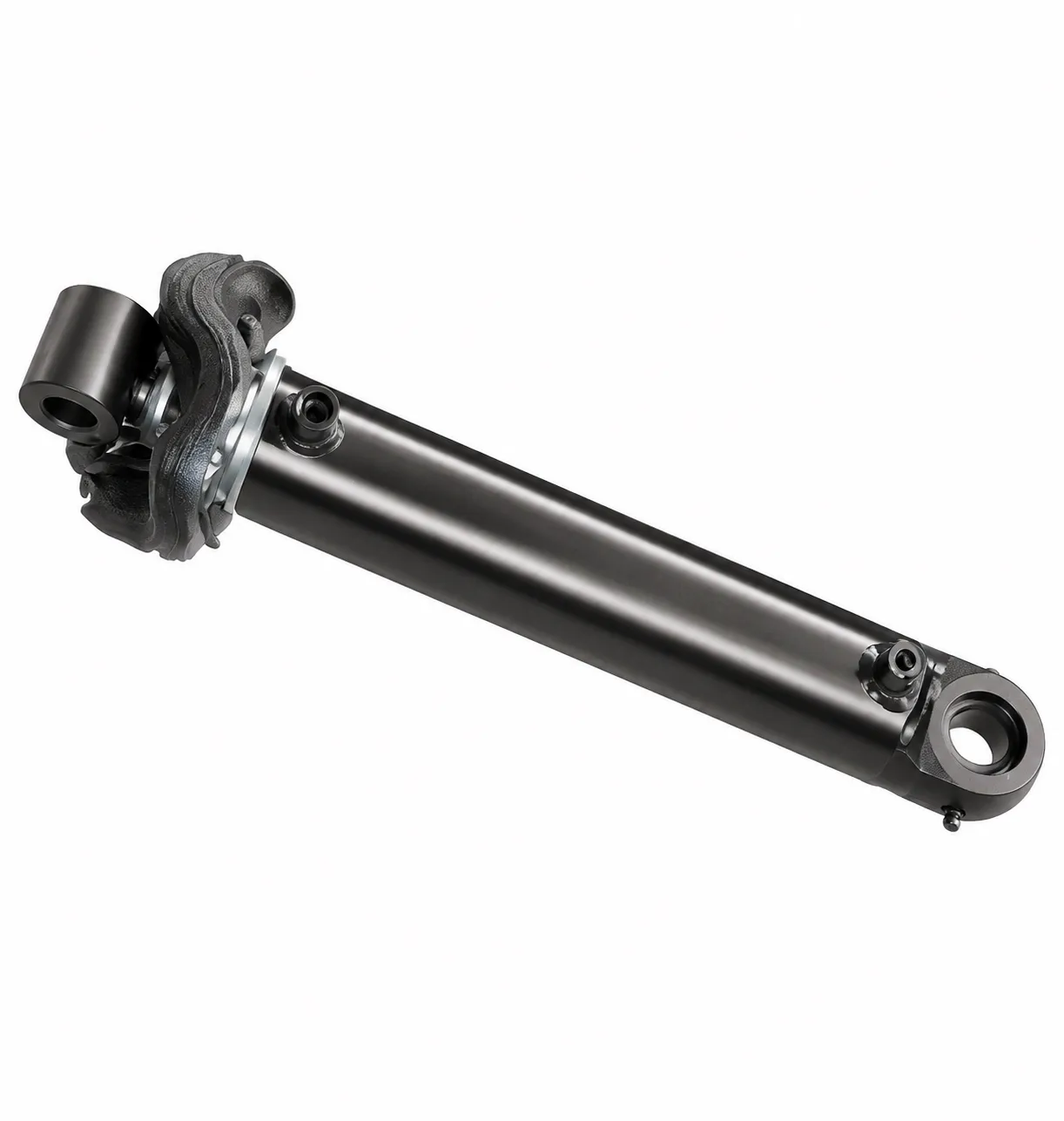 A Sheffield-based steel plate processing facility — operating a fleet of 14 coil transfer vehicles and four overhead crane-guided slab movers — was experiencing recurring hydraulic steering cylinder failures at intervals well below the OEM-specified service life. The symptoms were consistent: internal bypass developing after approximately 1,800 operating hours, compared to the rated 4,000-hour seal life, causing steering drift under load and triggering safety shutdowns that disrupted throughput on the high-value precision cutting lines.
The facility’s maintenance manager contacted Ever Power after a referral from a hydraulics engineering consultant based in Leeds. An Ever Power applications engineer visited the Sheffield site to conduct a diagnostic review. The investigation identified two compounding issues: the OEM cylinder seal specifications used standard NBR piston seals rated to 80 °C continuous, but the facility’s hydraulic oil was running at 92 to 96 °C due to inadequate cooling capacity in the original system design. Secondly, the coil transfer vehicle steering geometry placed a consistent lateral bending load on the piston rod — a load case the OEM seal geometry was not optimised for.
Ever Power designed and manufactured a replacement seal assembly using FKM piston seals with a modified lip geometry to distribute the eccentric load more evenly, paired with a dual-wiper arrangement at the gland to address the metallic particle contamination from the processing environment. The chrome rod specification was upgraded to a greater hardness layer depth to resist the abrasive contact. All 14 vehicles received the upgraded cylinders over a two-week phased programme coordinated to minimise production impact.
Twelve months later, the fleet had accumulated an average of 3,200 hours on the upgraded cylinders without a single steering-related unplanned shutdown. The facility calculated a net saving of approximately £47,000 in avoided downtime and emergency service callouts compared to the same twelve-month period prior to the upgrade. The maintenance manager reported that the non-disassembly inspection protocol — specifically the static pressure hold test and quarterly oil sampling — had been adopted across the fleet as standard practice, allowing seal condition to be monitored continuously without the workshop time previously required.
What Our UK Customers Say
★★★★★
“Ever Power’s FKM seal upgrade solved a problem we’d been chasing for three years. The static pressure test protocol they recommended has become our standard pre-shift check and has genuinely changed how we manage the fleet. Seal life has more than doubled compared to the OEM specification.”
James Thornton
Plant Maintenance Manager, Sheffield Steel Processing
★★★★★
“We specified custom port positions and a PTFE composite piston seal to suit our articulated forklift application and Ever Power delivered to drawing, fully documented, within three weeks of order. The cylinders have now completed over 4,500 hours in our Birmingham distribution centre with no seal-related interventions. Excellent engineering and genuinely responsive customer support.”
Rachel Whitmore
Head of Engineering, Midlands Logistics Group, Birmingham
★★★★★
“The non-disassembly inspection guide from Ever Power is now part of our operator training programme for all hydraulic plant at our Bristol port site. The UV dye technique in particular has saved us countless hours of unnecessary strip-downs. When we do need replacement cylinders, Ever Power’s lead time and documentation quality consistently meet our procurement standards.”
David Hargreaves
Fleet Operations Director, Bristol Port Equipment Services
Frequently Asked Questions
Real questions from maintenance teams and procurement engineers across the UK.
Ever Power Hydraulic Solutions
Ready to Extend Your Steering Cylinder Service Life?
Speak to an Ever Power applications engineer about your specific application. Custom seal specifications, replacement cylinders, and field inspection support — all with confirmed UK-compatible lead times and full documentation.
Get a Quote — [email protected]
edit by gzl