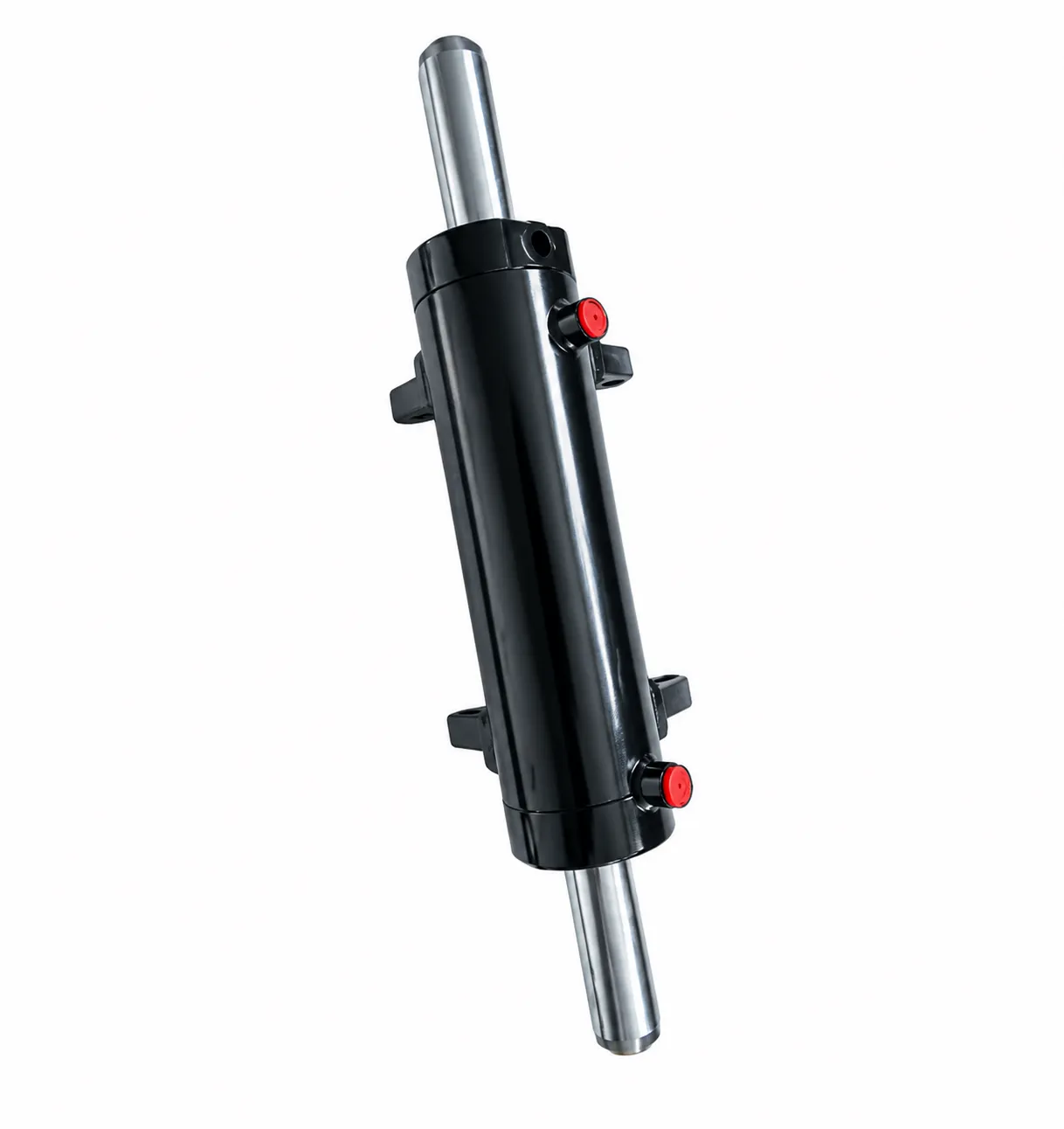
 Fitting a new steering cylinder to an excavator, articulated dump truck, or agricultural loader seems straightforward on paper — unbolt the old unit, bolt in the new one, bleed the circuit, and move on. In reality, the vast majority of premature cylinder failures that field engineers encounter in Birmingham fabrication yards, Sheffield steel handling facilities, and across Scotland’s offshore support fleets trace back not to manufacturing defects or operating abuse, but to skipped or superficial pre-installation checks. A steering cylinder that enters service with even one alignment discrepancy, a contaminated port, or an incorrectly torqued end fitting can destroy its seals within hours and damage the associated steering valve assembly within days. The cost of a properly conducted pre-installation inspection — rarely more than ninety minutes of methodical bench work — is orders of magnitude smaller than the combined expense of cylinder replacement, machine downtime, and potential safety incident reporting.
Why Pre-Installation Checks Cannot Be Skipped on Heavy Machinery
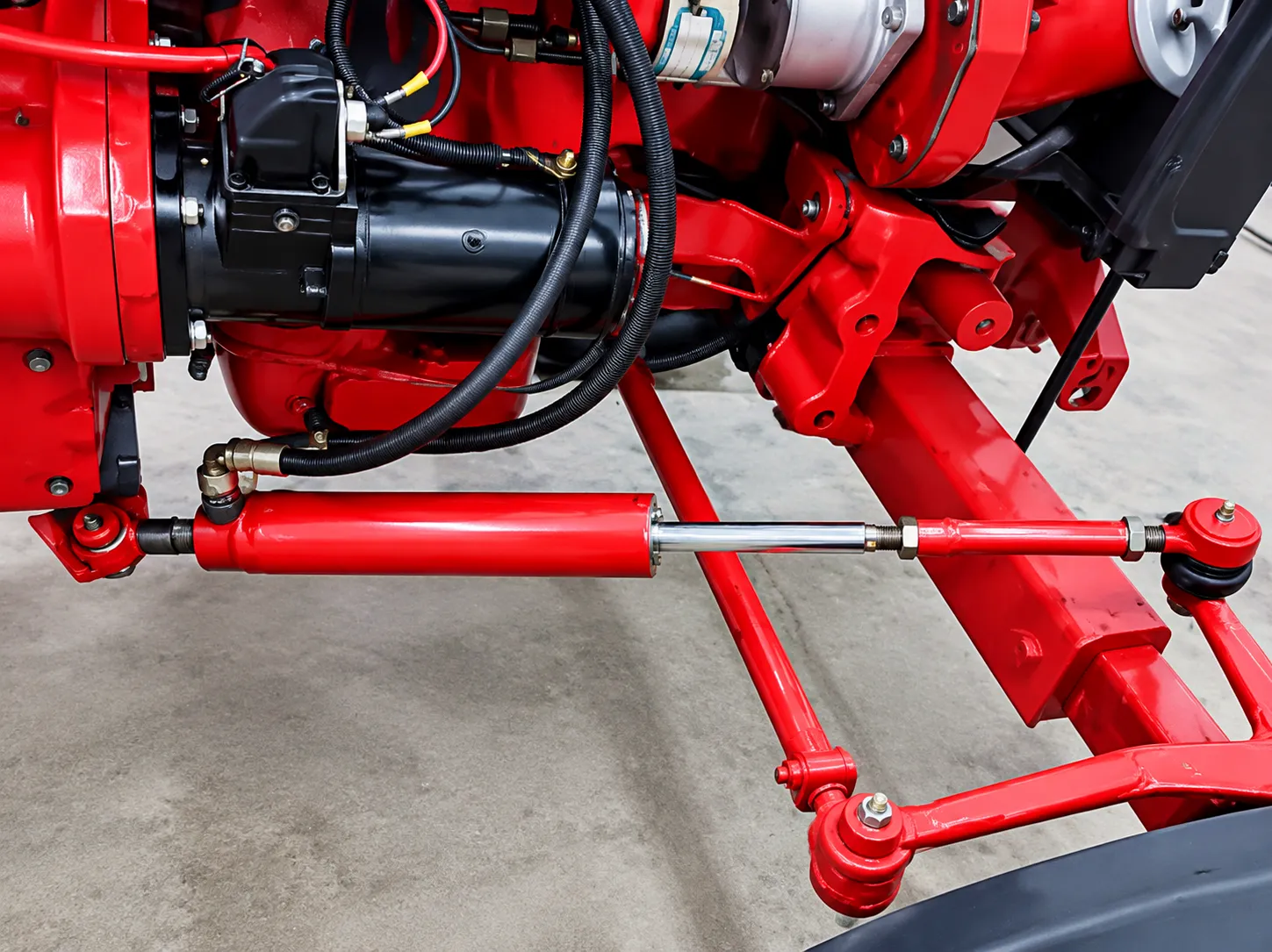
A steering cylinder on heavy machinery operates under conditions that expose every tolerance, every seal interface, and every threaded connection to sustained cyclic load. Unlike a static structural component, a hydraulic steering cylinder pressurises, extends, retracts, and pressurises again — sometimes thousands of cycles per working day on a busy plant hire machine. That cyclic reality means any dimensional inaccuracy introduced at installation will progressively worsen, not stabilise. A clevis pin that is 0.3 mm undersized on installation will produce measurable slap within a few working weeks; that slap transfers lateral force into the rod seal gland and initiates a spiral of seal wear, micro-leakage, and contamination ingestion that eventually destroys the entire cylinder bore.
In the UK context, where heavy plant frequently operates in wet, abrasive, or chemically aggressive environments — from the coastal aggregate sites of Norfolk to the opencast coal reclamation projects of South Wales — the entry of even small quantities of moisture or grit through a compromised seal represents an especially serious threat. Pre-installation checks are the single most cost-effective intervention in a cylinder’s service life. They take a finite amount of time at the bench, where conditions are controlled and tools are accessible, rather than requiring disassembly in the field under pressure of machine downtime. The engineering community has documented this relationship between installation quality and mean time between failures consistently across multiple industries.
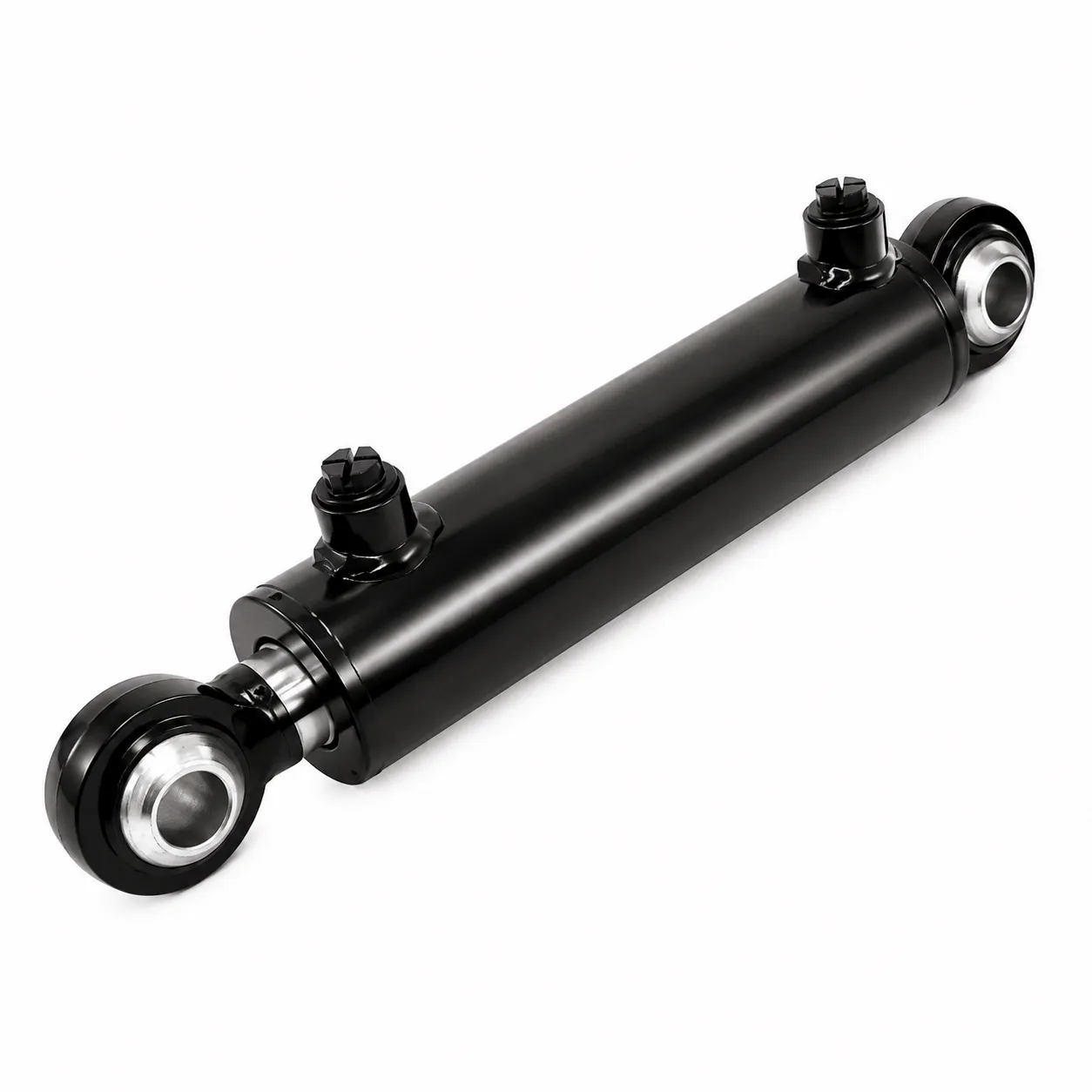
Check 1 — Receipt and Physical Condition Inspection
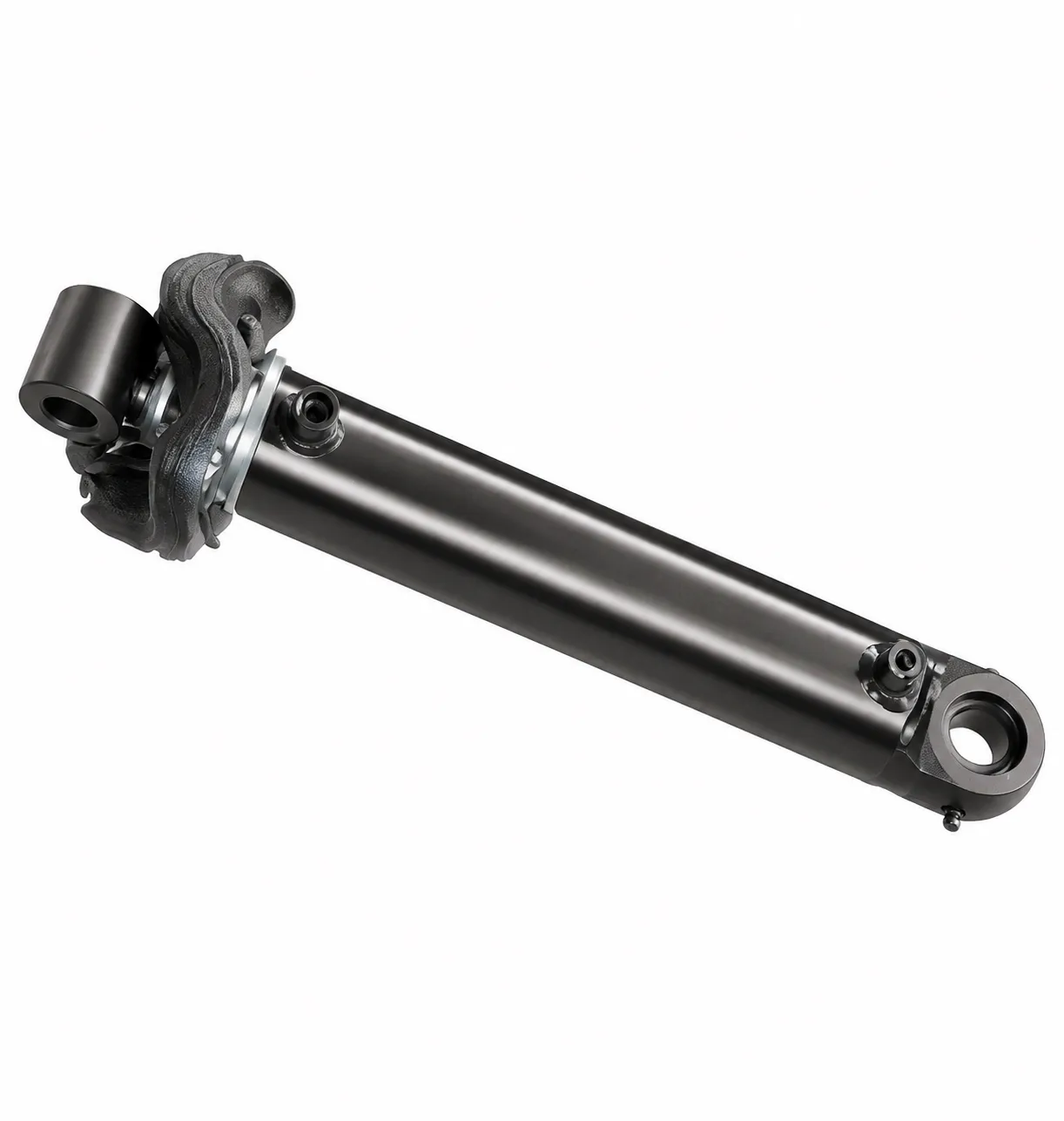
The very first step upon receiving a new steering cylinder — whether direct from an Ever Power factory shipment, via a UK hydraulic distributor in the West Midlands, or through a specialist plant parts supplier in Glasgow — is a systematic receipt inspection before the unit moves anywhere near the machine. Remove all port plugs and rod-end protectors carefully and set them aside; you will want to inspect each sealing surface they were protecting. Examine the cylinder barrel externally for any dents, gouges, or flat spots that might indicate impact damage during transit. Even minor barrel deformation in the mount zone can create stress concentration points that eventually crack under pressure cycling.
Rotate the rod slowly by hand through its full stroke. On a new, unfitted cylinder this should require only modest manual effort and should feel perfectly smooth with no grittiness, no tight spots, and no perceptible side-play at the rod gland. Any roughness almost always indicates either manufacturing swarf that was not cleaned from the bore before sealing, or damage that occurred after manufacture. Equally important: inspect the rod surface under direct light using a lateral raking angle. Scores, scratches, or pitting on the rod chrome surface — even hairline marks — are unacceptable. The rod seal depends on an absolutely smooth, hard surface to maintain its running contact; any imperfection will translate immediately into a dynamic seal that weeps, then leaks, and ultimately fails.
⚠ Field Engineer’s Note
Reject any steering cylinder with chrome rod damage that can be felt with a fingernail. Return it to the supplier immediately with photographic documentation. Never attempt to polish rod scores with abrasive media — this changes the surface geometry and removes the hard chrome layer thickness required for seal longevity.
Check 2 — Seal Kit Integrity and Gland Condition
Seals are the single most maintenance-sensitive component in any hydraulic steering cylinder. Even on a brand-new unit, it is worth verifying that factory-fitted seals show no signs of age-related degradation or improper material specification for your application. Hydraulic sealing elastomers have a shelf life — NBR (nitrile butadiene rubber) seals stored in ultraviolet light or at temperatures above 25°C will show surface cracking long before they approach their theoretical service hours. If the new steering cylinder has been in stock for more than twelve months prior to your receipt, request the manufacturing date from the supplier and inspect the rod seal and buffer ring under magnification.
The gland housing itself — the threaded end cap that retains the rod seal assembly — must be examined for correct thread engagement and confirmed to specification torque. Glands that have been overtightened at the factory will compress the seal pack unevenly, creating zones of high radial stress that tear the inner lip of the rod seal during the first few pressurised cycles. Glands that are undertightened will allow the entire assembly to work loose under operating vibration, resulting in catastrophic seal ejection. Verify the gland torque using a calibrated torque wrench to the value specified in the cylinder’s documentation. For Ever Power steering cylinders, this data is supplied in the product technical datasheet shipped with each unit.
Check 3 — Hydraulic Port Cleanliness and Thread Integrity
Hydraulic contamination is the leading cause of premature wear in any hydraulic steering system. A single strand of machining swarf, a fragment of thread sealant, or a rubber plug that has degraded inside a transport cap can travel to the steering valve, lodge in a metering orifice, and produce symptoms that point apparently to the steering cylinder itself — when the root cause was contamination introduced at installation. Before connecting any hydraulic lines to a new steering cylinder, both ports must be inspected with a bright LED light source and confirmed to be visually clean, with no foreign material, rust discolouration, or thread damage present.
Thread condition is equally critical. BSP (British Standard Pipe) threads, which are standard throughout the UK hydraulic market, have a tapered or parallel profile that must engage cleanly without resistance until near full engagement. Running a clean fitting in by hand to confirm thread engagement quality costs ten seconds and can prevent a cross-threaded port that ruins an expensive cylinder body. Check that the thread form matches your hose end fittings precisely — BSP parallel (BSPP / G thread) and BSP taper (BSPT / R thread) are not interchangeable under pressure, and mismatched pairs leak immediately. Confirm the port size designation against the cylinder datasheet before any adapters are sourced.
🔑 Port Cleanliness Procedure
Check 4 — Mounting Geometry and Pin Fit Verification
Mounting geometry is the area where installation errors are most commonly underestimated by maintenance teams who are otherwise thorough. A steering cylinder must be mounted such that, through its entire stroke, the centreline of the cylinder rod remains collinear with the direction of load transfer. Any angular offset — even two or three degrees — generates a bending moment at the piston that loads the barrel bore asymmetrically, concentrates wear on one side of the piston rings, and creates a fulcrum effect at the rod seal that dramatically accelerates gland wear. On excavator-type machines operating at sites across the East Midlands and Humber industrial zone, where heavy and repeated steering inputs are typical, this misalignment failure mode can cut service intervals from thousands of hours to hundreds.
Pin fit is the complementary concern. The clevis pins that connect the cylinder to the machine chassis and the steered axle or drag-link assembly must fit within published diametral clearance tolerances. Too tight a pin fit prevents the articulation the clevis was designed to allow, transmitting torsional stress into the cylinder body. Too loose, and the impact loads generated at each direction change are not absorbed by the full pin area — they concentrate at the pin contact line and begin to ovalize both the clevis bore and the pin itself. Measure pin diameter and clevis bore with a calibrated micrometer and bore gauge and confirm the clearance is within specification before pressing the pin home.
Check 5 — Hydraulic Oil Specification Compatibility
Steering cylinders are not universal in their fluid compatibility. The seal materials specified at manufacture — NBR, polyurethane, PTFE, or Viton / FKM depending on application — are formulated for specific fluid types, viscosity ranges, and operating temperatures. Putting a cylinder with standard NBR seals into service on a machine that runs fire-resistant phosphate ester hydraulic fluid, common on some UK steel plant and press operations, will cause immediate and irreversible seal swell and degradation. Similarly, mixing hydraulic fluids of different base stock types — mineral and synthetic ester blends, for example — can produce precipitates that clog valve spools and carry abrasive particles directly to the steering cylinder bore.
Before installation, confirm that the new steering cylinder’s seal material specification is documented on the delivery paperwork or cylinder identification tag, then cross-reference that against the system’s hydraulic fluid specification card. For UK-supplied plant, this information is typically carried in the machine’s hydraulic system service manual, or can be obtained directly from Ever Power’s technical support team. Fluid viscosity grade is equally important: most double-acting steering cylinders perform optimally in the ISO VG 32 to VG 68 range depending on ambient temperature. A cylinder being installed on equipment that will work through a Scottish winter should be verified against the cold-start pour point and viscosity index of the specified fluid.
Steering Cylinder Technical and Performance Specifications Table
The table below provides reference parameters for Ever Power double-acting hydraulic steering cylinders across the heavy machinery product range. These values serve as a baseline for pre-installation verification against the machine’s hydraulic system design envelope. Specifications for custom configurations are available on request from Ever Power’s engineering team.
| Parameter | Light Duty | Medium Duty | Heavy Duty | Extra Heavy |
|---|---|---|---|---|
| Bore Diameter | 40 – 63 mm | 63 – 100 mm | 100 – 160 mm | 160 – 250 mm |
| Rod Diameter | 28 – 45 mm | 45 – 70 mm | 70 – 110 mm | 110 – 180 mm |
| Max Working Pressure | 200 bar | 250 bar | 280 bar | 320 bar |
| Test Pressure (1.5x working) | 300 bar | 375 bar | 420 bar | 480 bar |
| Stroke Range | 100 – 400 mm | 150 – 600 mm | 200 – 900 mm | 300 – 1,400 mm |
| Barrel Material | ST52 honed steel | ST52 honed steel | ST52 / alloy steel | High-tensile alloy |
| Rod Material & Surface | 45# steel, 25 μm chrome | 45# steel, 30 μm chrome | 42CrMo, 35 μm chrome | 42CrMo, 45 μm chrome |
| Rod Hardness | 52 – 56 HRC | 54 – 58 HRC | 56 – 60 HRC | 58 – 62 HRC |
| Seal Material (standard) | NBR / PU | NBR / PU | PU / PTFE | FKM / PTFE |
| Operating Temperature | -20°C to +80°C | -20°C to +80°C | -30°C to +100°C | -40°C to +120°C |
| Hydraulic Fluid Type | ISO VG 32–46 | ISO VG 46 | ISO VG 46–68 | ISO VG 68, custom |
Check 6 — Initial Pressurisation, Air Bleeding, and Commissioning Protocol
Even after every static check has been completed and the cylinder has been carefully installed with all mechanical connections verified, the commissioning sequence itself must follow a defined protocol. A steering cylinder that is pressurised abruptly from ambient to operating pressure with entrapped air in the circuit will experience adiabatic compression — a phenomenon where the compressed air generates localised heat spikes above 200°C at the point of compression. These heat spikes degrade the hydraulic fluid immediately and, in the worst cases, carbonise it against the cylinder bore wall. This is the mechanism behind so-called diesel effect failure in hydraulic cylinders, and it is entirely preventable through proper bleeding procedure.
The correct approach is to connect the hydraulic lines with the system unpressurised, then operate the steering input slowly through a partial stroke — no more than twenty percent of full travel — at minimum engine idle speed. This low-velocity initial movement allows entrained air to migrate toward high points in the circuit where it can be released through bleed points or absorbed back into the reservoir. The stroke is then gradually extended, still at idle, over a series of back-and-forth cycles until motion feels smooth and consistent at both ends of travel. Only once that smoothness is confirmed should operating speed and pressure be raised toward normal working levels. Documenting this commissioning sequence — date, operator, machine hours, and any observations — provides the first entry in the cylinder’s service history and establishes a baseline for subsequent condition monitoring.
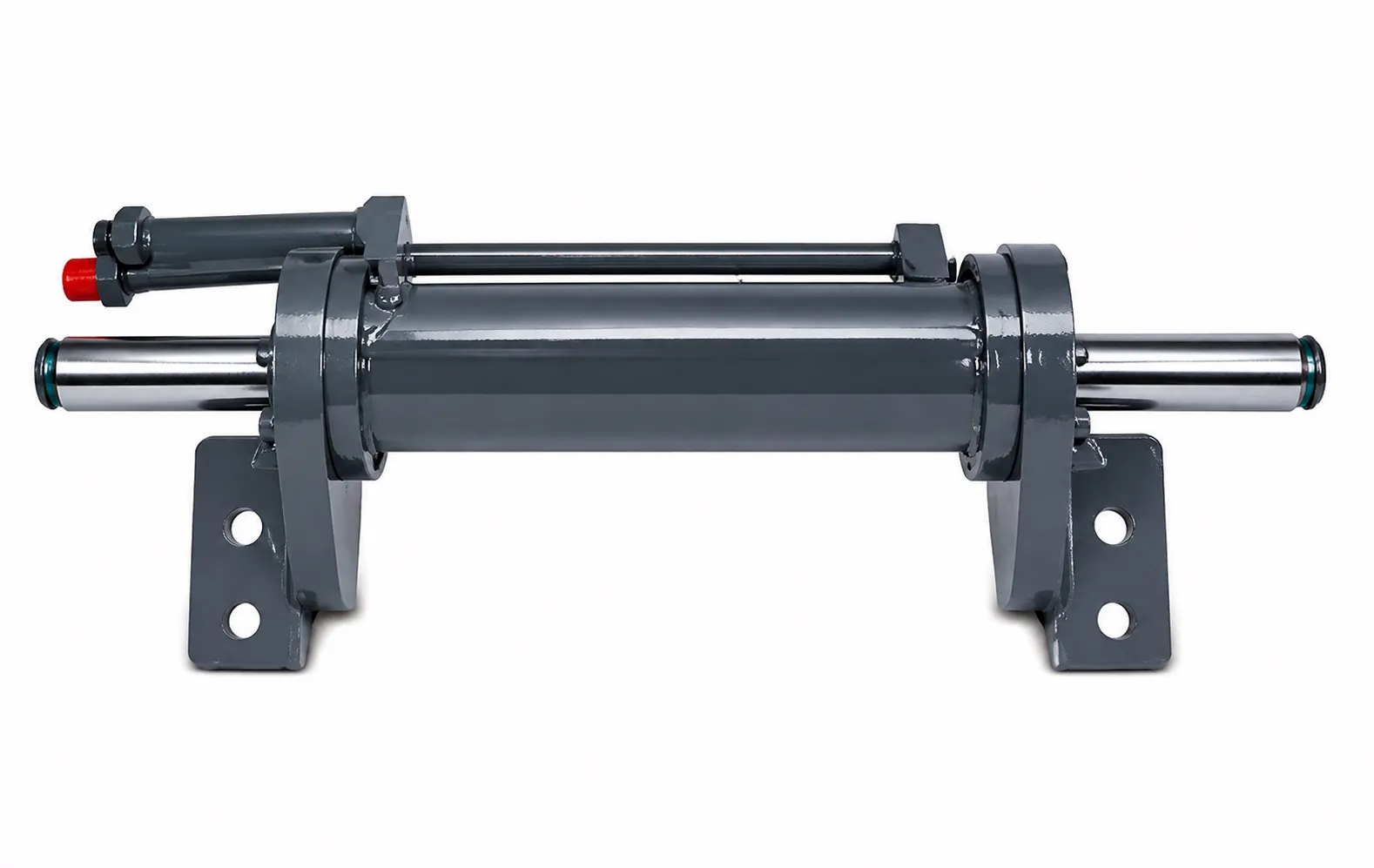
Industrial Application Scenarios Where Pre-Installation Checks Are Critical
The consequences of inadequate pre-installation checking vary in severity depending on the application environment. The following scenarios represent the primary markets where Ever Power steering cylinders are deployed across the UK and where field teams have found the greatest return from rigorous commissioning procedures.
Wheeled excavators and articulated dumper trucks working on mixed-use development sites demand reliable steering cylinder performance across varied terrain gradients. Pre-installation alignment checks are especially important here because Birmingham’s large civil infrastructure projects often involve machines working on steep temporary haul roads where misalignment-induced cylinder deflection is dramatically amplified.
Sheffield’s remaining steel fabrication and long products processing sites operate heavy ladle transfer vehicles, coil transport trolleys, and slab handling machines whose steering cylinders operate under continuous high-cycle, high-temperature conditions. Seal compatibility checks — particularly confirming fluid type against seal material grade — are the single most important pre-installation step in this environment.
Large arable tractors, self-propelled sprayers, and combine harvesters across England’s primary grain-producing regions rely on front-axle steering cylinders that must perform faultlessly across very wide temperature ranges — from January morning starts at near-freezing to peak summer harvesting in 30°C+ conditions. Cold-start viscosity compatibility verification during pre-installation is therefore non-negotiable in agricultural settings.
Reach stackers, empty container handlers, and terminal tractors operating at port facilities around Grimsby, Immingham, and Avonmouth work in salt-laden atmospheres that create acute corrosion challenges for any exposed metallic surface. Pre-installation rod surface inspection is especially rigorous in port logistics applications, and external corrosion protection — wiper seal condition and dust seal quality — must be verified with particular care before commissioning at coastal UK sites.
Related Hydraulic Cylinder Solutions from Ever Power
Beyond steering-specific applications, many of the pre-installation check principles covered in this guide apply equally to ancillary hydraulic cylinders across the same machinery — including the attachment and tilt cylinders fitted to lift trucks and material handling equipment. Two commonly specified units from the Ever Power range for these adjacent applications are shown below.
Compact, high-cycle hydraulic cylinder engineered for precision attachment control on mini and compact forklifts. Same pre-installation protocol applies — bore inspection, seal compatibility, and port cleanliness checks before commissioning.
Rated for medium-duty material handling attachment operations, this cylinder benefits from the same 42CrMo hard-chrome rod and precision honed bore construction as the Ever Power steering cylinder range — making the pre-installation checks described in this guide directly transferable.
Ever Power — Manufacturing Capability and Customisation Services
Ever Power operates a vertically integrated hydraulic cylinder manufacturing facility with in-house honing lines, chrome plating capability, CNC turning centres, and a dedicated hydraulic testing laboratory. Every steering cylinder that leaves the Ever Power production line has been hydraulically proof-tested at 1.5 times its rated working pressure, with rod seal performance verified across the full stroke under sustained pressure hold. This is not a paper certificate — it is a physical test record that ships with the unit and provides the baseline data against which any future field performance questions can be evaluated.
Customisation capability sits at the centre of what Ever Power offers UK buyers. Non-standard bore sizes, non-catalogue stroke lengths, alternative end-fitting geometries, specialised seal material grades for high-temperature or chemically aggressive environments, and application-specific corrosion protection packages — phosphate and oil, zinc-nickel plating, or epoxy coating — are all available as engineered-to-order configurations with lead times that are competitive against standard UK distributor stock. The technical sales team works directly with plant engineering departments and maintenance managers to define specifications and manage the supply chain from factory to delivery address, reducing the procurement burden that UK plant hire companies and industrial contractors typically face when sourcing non-standard hydraulic components.
Customer Success Story — Leeds Quarry Plant, West Yorkshire
A plant hire and quarrying operation based near Harewood, north of Leeds, operates a mixed fleet of wheeled loaders and articulated dump trucks across limestone extraction sites in the Yorkshire Dales and worked materials distribution facilities serving North Yorkshire’s construction sector. Following a period of unexplained steering cylinder failures — three units across two machines over a single winter season — the operations manager commissioned a root cause review in collaboration with Ever Power’s UK technical contact.
The review revealed that replacement cylinders had been installed without any formal pre-installation protocol. Rod surface condition had not been checked, port threads had not been verified for BSPP/BSPT compatibility before adapters were fitted, and the commissioning bleed procedure had been skipped in favour of immediate full-pressure operation. In two of the three cases, rod score marks were present that should have triggered rejection — marks that were invisible under the workshop’s fluorescent lighting but immediately apparent under the raking LED torch technique described earlier in this article.
Ever Power supplied three replacement steering cylinders with full technical documentation and provided a detailed written pre-installation procedure tailored to the specific machines in the fleet. With the new protocol in place — including documented pin clearance measurements, fluid compatibility confirmation, and phased commissioning — the replacement cylinders completed the following winter season without a single premature failure. Service interval costs dropped by 34% across the affected machines, and machine availability during peak crushing season improved measurably compared to the prior year.
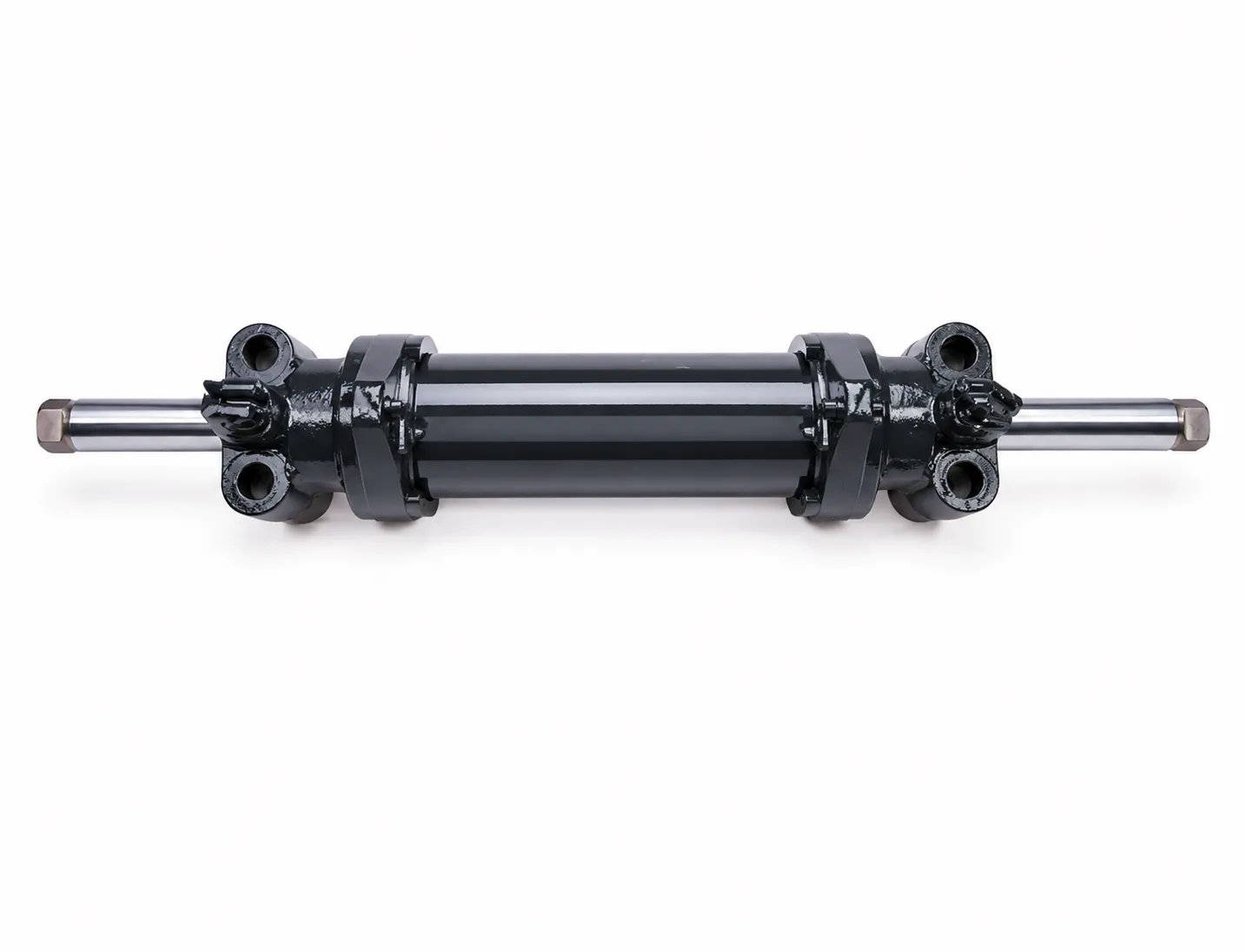
Customer Reviews
“We asked Ever Power to supply cylinders with a non-standard 112 mm bore for a modified load vehicle configuration we run on site. They turned the order around in three weeks with full test certification and a pre-installation data sheet that our fitters could actually use. The bore and chrome spec matched what we asked for to the letter.”
“The pre-installation guidance from Ever Power’s technical team genuinely changed how our engineers approach any cylinder fitment. We now follow the phased commissioning protocol on every hydraulic replacement across the fleet. The difference in seal life is not marginal — it’s substantial. We’re seeing cylinders running past their scheduled service intervals comfortably.”
“Ever Power specified FKM seals when we told them our machines run a synthetic ester fluid. That recommendation alone saved us from what would have been a very expensive seal failure sequence. The cylinders arrived with everything documented — pressure test record, seal grade, gland torque value. Exactly what a professional operation needs.”
Frequently Asked Questions
Common questions from plant engineers, maintenance managers, and procurement teams across the UK
Check the seal material grade on the cylinder’s identification tag or delivery paperwork and cross-reference it against your machine’s hydraulic fluid specification. NBR seals are compatible with standard mineral oil; if your system runs synthetic ester or phosphate ester fluid, you need PU, PTFE, or FKM seals. Ever Power’s technical team can advise on seal material selection if you supply your system’s fluid data sheet.
Gland torque values vary by bore size and cylinder series. They are specified in the cylinder’s technical datasheet, which ships with every Ever Power unit. For UK-supplied machines where original paperwork has been lost, contact [email protected] with the cylinder serial number to obtain replacement specification data.
Send your technical requirements — bore size, stroke, pressure rating, end fitting type, and seal material preference — to Ever Power at [email protected]. The team provides competitive pricing for both standard and custom configurations, with delivery available across mainland Great Britain, Scotland, and Northern Ireland.
UK-specified construction plant predominantly uses BSP (British Standard Pipe) threads. Confirm whether the cylinder ports are BSPP (parallel) or BSPT (taper) and match your hose end fittings accordingly. Parallel-to-taper mismatches are a common source of immediate hydraulic leaks at commissioning. If in doubt, measure the thread pitch with a gauge before ordering adaptors.
Slow response typically indicates either air entrainment — in which case repeat the phased bleeding procedure — or internal bypass across the piston seals. Check for external rod seal weeping first, then assess whether drift occurs equally in both directions or predominantly in one. Unequal drift usually points to the piston seal rather than the rod seal. Document observations before disassembly.
Lead times for custom steering cylinders from Ever Power typically range from two to four weeks depending on specification complexity and current production schedule. To obtain an accurate lead time and cost, provide bore diameter, rod diameter, stroke length, maximum working pressure, port thread type and size, end fitting configuration (clevis, flange, or trunnion), seal material grade, and any surface treatment requirements. Send these details to [email protected] for a prompt response.
Ready to Source Your Next Steering Cylinder?
Talk to Ever Power — Custom Specifications, Competitive Pricing, UK Delivery