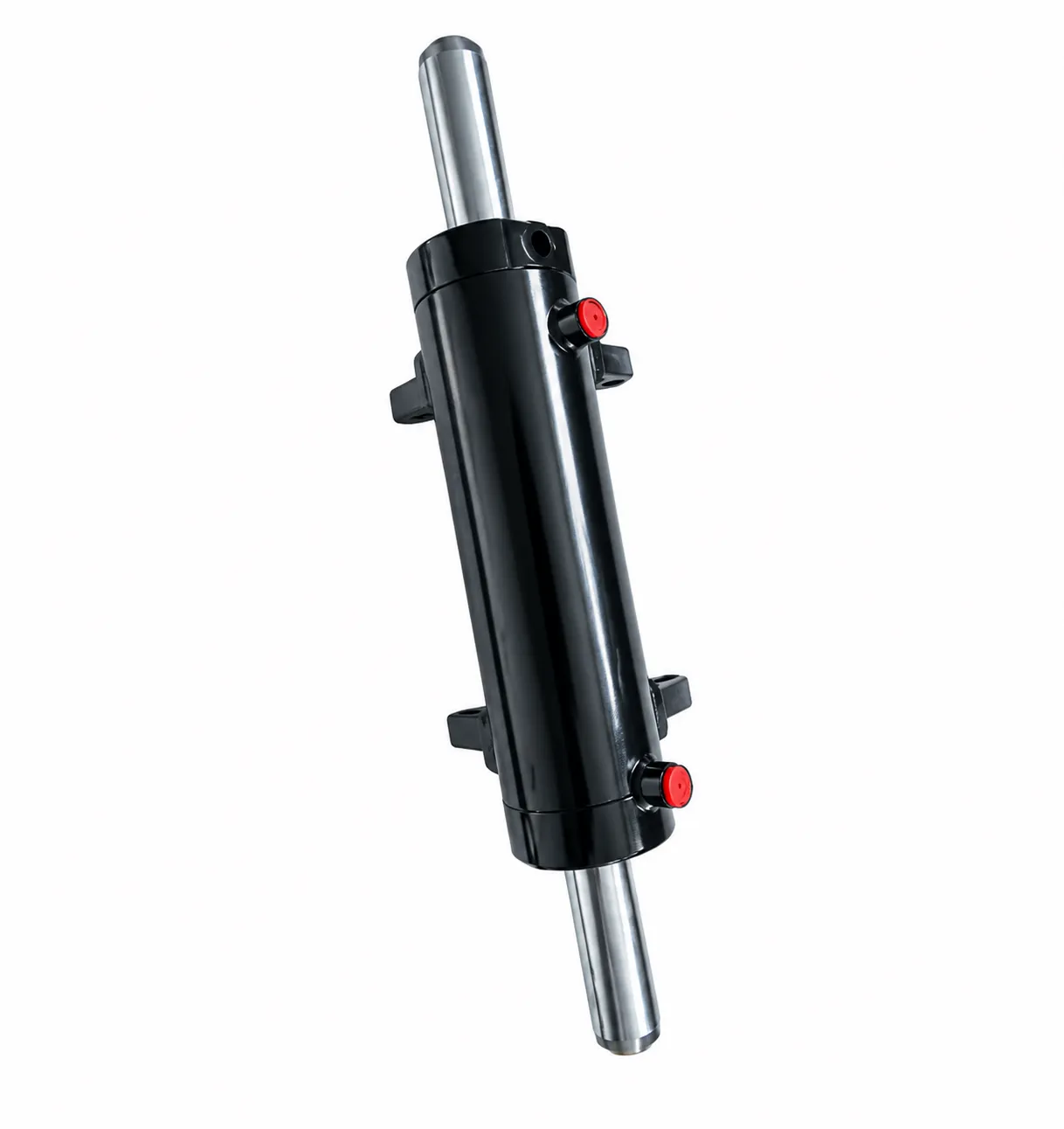
A steering cylinder is one of those components that rarely receives attention until something goes wrong. In heavy plant equipment, marine steering systems, agricultural machinery, and industrial vehicles operating across the UK — from the manufacturing corridors of the West Midlands to the port logistics operations along the Humber estuary — the steering cylinder is the mechanical backbone of directional control. It converts hydraulic pressure into precise linear motion, allowing operators to manage equipment weighing tens of tonnes with minimal physical effort.
Yet despite its critical role, steering cylinder installation is frequently approached without the rigour it demands. The consequences range from minor hydraulic leaks and premature seal wear, to catastrophic alignment failures and total cylinder seizure. Across workshops in Sheffield, Birmingham, Leeds, and beyond, maintenance engineers encounter the same patterns of error — problems that are entirely preventable with the right knowledge and preparation.
This guide examines the most common mistakes made during steering cylinder installation, explains why each error occurs, and provides practical, field-tested guidance on how to avoid them. Whether you are working with a replacement unit for a construction telehandler, a bespoke double-acting cylinder for a specialised industrial vehicle, or a high-cycle marine application, the principles here apply directly to your situation.
How a Steering Cylinder Actually Works — Understanding Before Installing
Pressurised hydraulic fluid enters through a port, exerts force on the piston face, and drives linear movement. In a double-acting configuration, fluid alternates between both chambers, enabling push and pull motion with precise control over speed and force output.
The piston rod connects directly to the steering linkage or rack. As it extends and retracts, it transmits the hydraulic force as a mechanical directional input. Side loads, misalignment, and binding at the clevis or pin mounts are the primary causes of accelerated wear.
Dynamic seals maintain pressure boundaries between the piston chambers. Wiper seals at the rod end prevent ingress of contamination. The service life of both depends entirely on correct installation orientation, surface finish quality, and the cleanliness of the hydraulic circuit during commissioning.
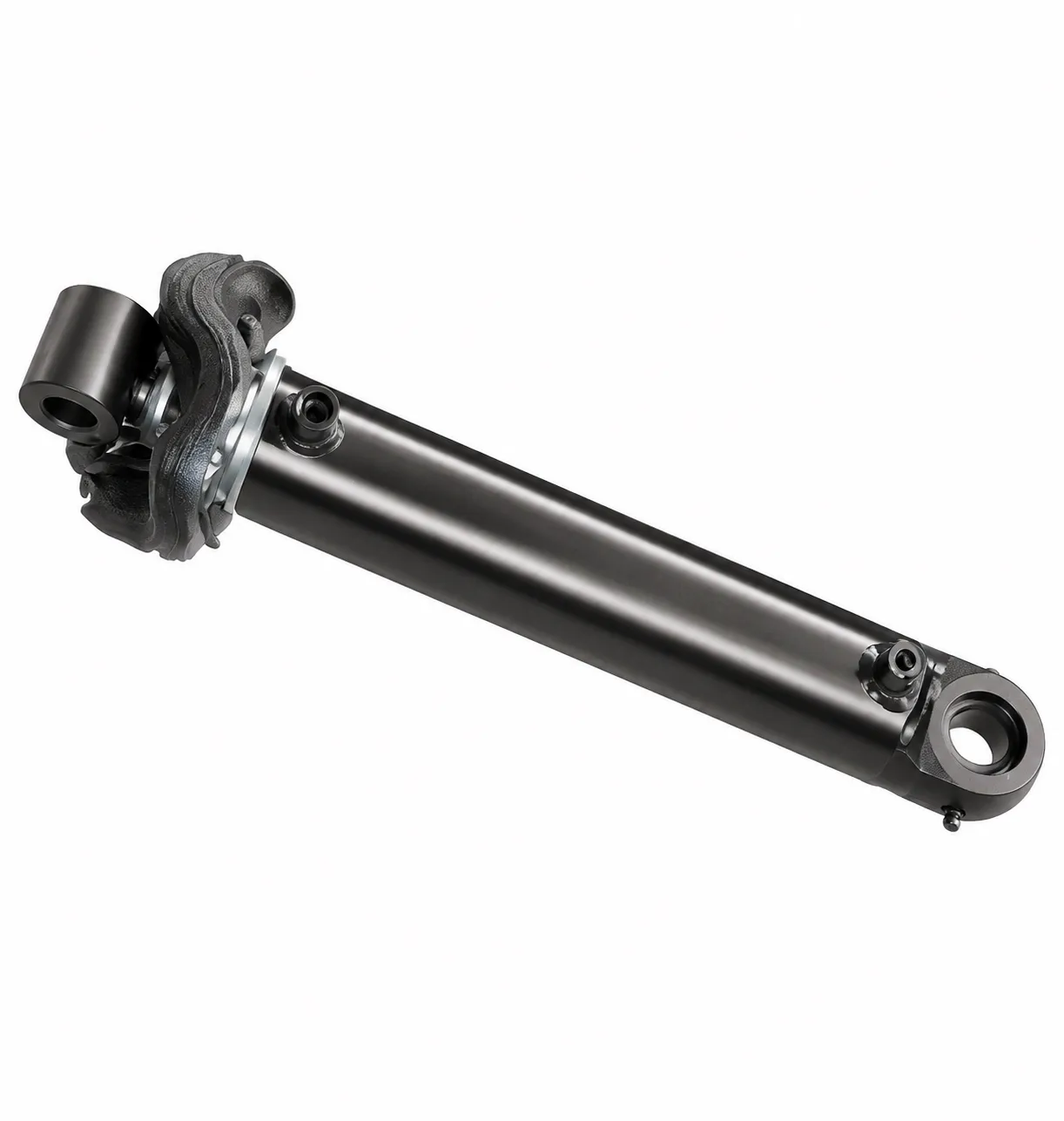
Before attempting any installation, it is worth spending time understanding exactly how the specific steering cylinder you are working with is designed to function. Double-acting and single-acting cylinders have different port arrangements, different seal configurations, and different end-of-stroke behaviours. Tie-rod cylinders, welded body cylinders, and mill-type units each present distinct installation challenges. Treating all steering cylinders as functionally identical is itself one of the most common sources of installation error. Take the time to review the manufacturer’s technical drawing, understand the rated operating pressure, the stroke length, and the specified mounting configuration before picking up a spanner.
Materials That Define Cylinder Performance and Installation Sensitivity
Cold-drawn seamless steel tubing with honed bore (Ra 0.2–0.4 µm). Chromium or nickel plating used in high-corrosion environments. Barrel bore concentricity is critical — any distortion during mounting will cause seal extrusion and rapid failure.
45# or 40Cr alloy steel, hard chrome plated to 20–30 µm for surface hardness of 800–1000 HV. The surface finish of the rod is the single most important factor governing seal integrity. Any scoring or contamination introduced during installation translates directly to leakage.
Polyurethane (PU), nitrile rubber (NBR), or fluorocarbon (FKM/Viton) — selection governed by fluid compatibility and temperature range. UK environments often demand wide temperature tolerance (-20°C to +80°C). Incorrect seal type is a common error during parts procurement for replacement installations.
Cast iron or ductile iron for standard duty; EN24T or EN36 alloy steel for high-load applications. Threaded connections must achieve specified torque values — under-torquing is a frequent cause of end cap blow-off under dynamic pressure spikes common in off-road and marine service.
The Most Damaging Installation Mistakes — Identified and Explained
Misalignment during steering cylinder installation is, without question, the single most prevalent and destructive error encountered in the field. When the cylinder axis is not collinear with the intended line of force, every stroke introduces a bending moment on the piston rod. Over time, this creates uneven wear on the rod seal, accelerated scoring on the chrome surface, and side loading on the barrel bore that progressively worsens seal degradation. Engineers at facilities across the East Midlands and Yorkshire report that a significant proportion of early cylinder returns can be traced directly to a misalignment at installation that was never corrected during the commissioning check. The error typically originates from one of three sources: mounting brackets fabricated to incorrect tolerances, worn clevis pins that permit excessive angular play, or the practice of threading the cylinder into position under load rather than aligning it with the equipment in a neutral, unloaded state.
Always align the cylinder in a fully retracted, unloaded position with equipment on level ground. Use a precision straight-edge or dial indicator to verify rod centreline against mount centreline before tightening any fasteners. If bracket fabrication is required, confirm dimensional accuracy against the cylinder manufacturer’s mounting drawing before welding. Replace any clevis pin with detectable side-play — the specified tolerance is typically H7/h6 or tighter for steering applications.
Introducing a new or refurbished steering cylinder into a contaminated hydraulic circuit is the equivalent of installing a clean component into a corrosive environment. Particle contamination from worn hoses, degraded fluid, metal swarf from fabrication, or residue from an old failed cylinder remains suspended in the hydraulic oil and is carried directly to the seal faces and bore surfaces of the new unit. ISO 4406 cleanliness standards specify target contamination levels for steering systems — typically ISO 16/14/11 or cleaner — and yet a large proportion of replacement installations are performed without any circuit flushing at all. Workshops in Birmingham and Coventry servicing agricultural machinery and off-highway plant frequently encounter new cylinder failures within weeks of installation that are attributable entirely to circuit contamination that predated the replacement work.
Before fitting a replacement steering cylinder, flush the entire hydraulic circuit with clean, fresh fluid of the correct specification. Replace the hydraulic filter regardless of its apparent condition. If the old cylinder failed due to internal damage or seal extrusion, treat the circuit as contaminated by default and flush more thoroughly. Cap all hose ends during cylinder removal and installation to prevent atmospheric ingress. For critical applications, take an oil sample after flushing and verify cleanliness with a particle count before commissioning the new unit.
Reversing the port connections on a double-acting steering cylinder produces inverted control response — the equipment steers in the opposite direction to the operator’s input. While obvious during the first operational test, this error occasionally goes unchecked until an incident occurs. More pervasive and less immediately apparent is the problem of air entrapment within the cylinder chambers and hydraulic lines after installation. Air in the system compresses under load, producing a spongy, inconsistent steering response that is particularly dangerous in heavy plant and road-going agricultural vehicles. In the context of UK road safety regulations and the HSE’s requirements for safe plant operation, a steering system that exhibits non-linear response characteristics represents a compliance liability, not just a maintenance nuisance. The port connection error frequently occurs when replacing a cylinder with a model that has the same overall dimensions but a different port orientation — a situation common when sourcing from multiple suppliers across different supply chain channels.
Photograph the existing port connections before disconnecting the old cylinder. Mark hose ends with coloured tape to ensure correct reinstatement. After installation, bleed the system thoroughly — operate the cylinder through its full stroke multiple times with the bleed screws opened at the highest points in the circuit, and verify that the fluid expelled is free of air bubbles before tightening. Confirm that steering response is linear and corresponds correctly to control input before releasing the equipment for service.
Both under-torquing and over-torquing mounting bolts during steering cylinder installation create distinct failure pathways. Under-torqued fasteners allow micro-movement at the mounting interface, which generates fretting corrosion and progressively loosens the connection under vibration. In the context of off-road plant operating across quarrying sites in Wales or agricultural ground in East Anglia, the vibration loading is severe and continuous — a fastener that leaves the workshop torqued to 60% of its specified value will likely be at 20% within a season. Over-torquing creates a different problem: it can distort the cylinder body — particularly in tie-rod designs — causing the bore to go out of round, which immediately accelerates seal wear and can cause the piston to drag or stick. Thread stripping is also a risk with over-torquing, leaving the installer in a worse position than before the work began and often requiring costly machining to recover. Relying on feel rather than a calibrated torque wrench is the behaviour that underpins both failure modes.
Every fastener associated with the cylinder mounting must be torqued to the manufacturer’s specification using a calibrated torque wrench. Do not use impact guns for final tightening. If manufacturer data is unavailable, reference standard engineering torque tables for the relevant bolt grade and thread diameter. Apply thread-locking compound (medium-strength, such as Loctite 243) where specified for vibration-prone applications. Recheck torque values after the first 10 hours of operation on new installations.
During the assembly or replacement of seals in a steering cylinder, the act of sliding seals over the threaded end of the piston rod is one of the most routinely mishandled operations in hydraulic workshop practice. The thread profile — particularly on metric fine threads typically used on cylinder rods — has sharp crests that act as a cutting edge against the relatively soft seal material. A seal that has been nicked or partially cut during installation will fail within the first operating hours, often in a way that is not immediately visible externally. The leak may first manifest as a slow seep that maintenance staff attribute to a faulty product, when the actual cause is damage inflicted during the installation procedure itself. This problem is compounded when installers are working with unfamiliar seal types or applying excessive axial force to compress the seal past the thread, rather than using the appropriate protective tooling.
Use a conical thread protector sleeve — a thin-walled plastic or aluminium cone that fits over the rod thread and provides a smooth ramp over which the seal slides without contacting the thread crests. These are inexpensive and available for all standard rod diameters. Lightly lubricate the seal with clean hydraulic fluid or the specific assembly lubricant recommended by the seal manufacturer before installation. Never use petroleum jelly (Vaseline) with polyurethane seals — it is not chemically compatible. Install each seal in the correct orientation as marked on the cross-sectional drawing; lip direction matters.
Related Hydraulic Cylinder Products for Industrial Applications
Engineered for demanding warehouse and logistics applications, this compact hydraulic cylinder delivers precise actuation in confined mounting spaces. Ideal for counterbalance forklifts, reach trucks, and materials handling equipment where installation accuracy is paramount — directly applicable to the alignment and port-connection practices covered in this guide.
Designed for medium-duty forklift attachments across distribution centres, automotive plants, and steel handling operations. The robust tie-rod construction demands correct torquing practices during installation — a direct parallel to the torque management principles discussed earlier. Available with custom stroke lengths and port configurations for UK plant specifications.
Steering Cylinder Technical Performance Parameters
Application Scenarios Where Installation Errors Have Greatest Impact
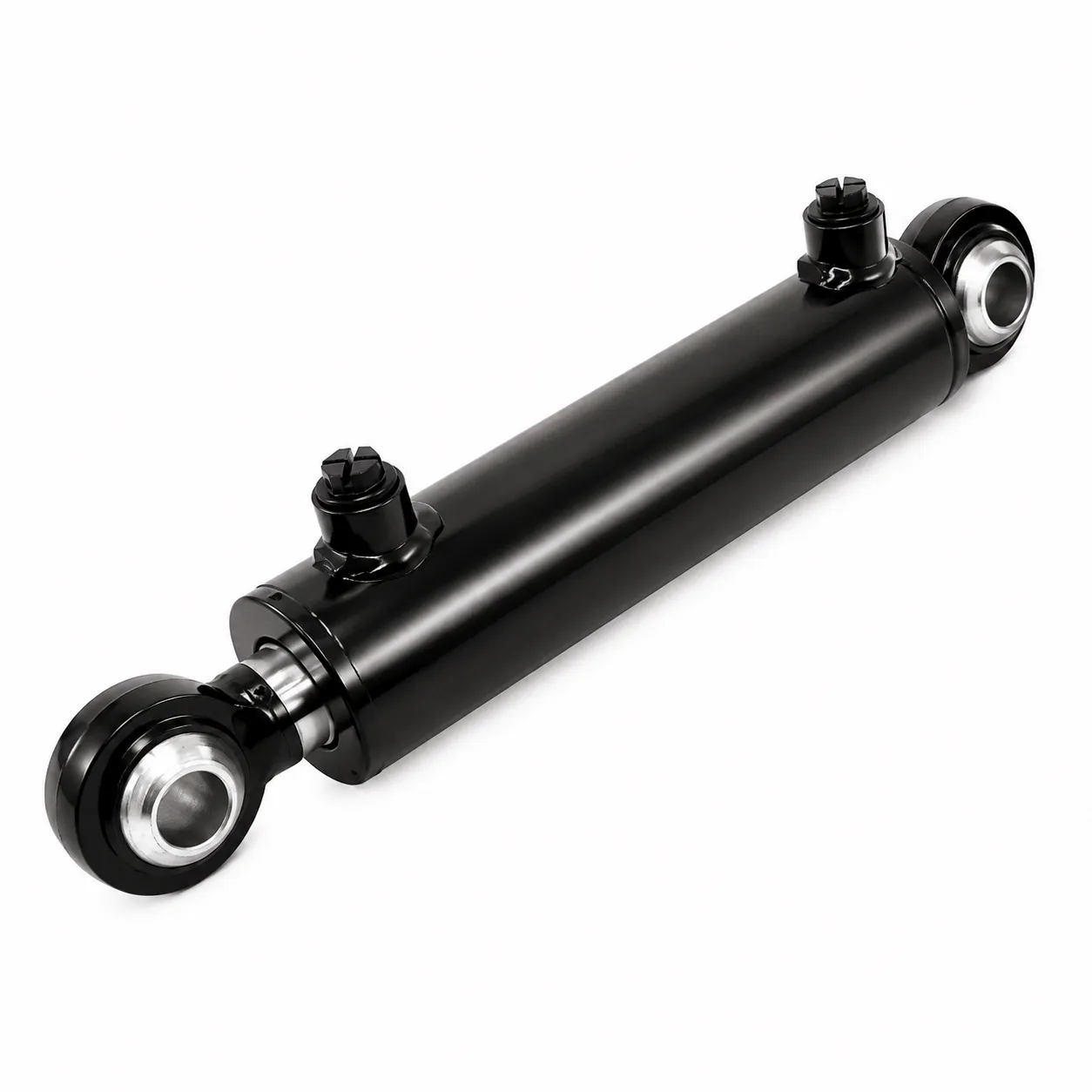
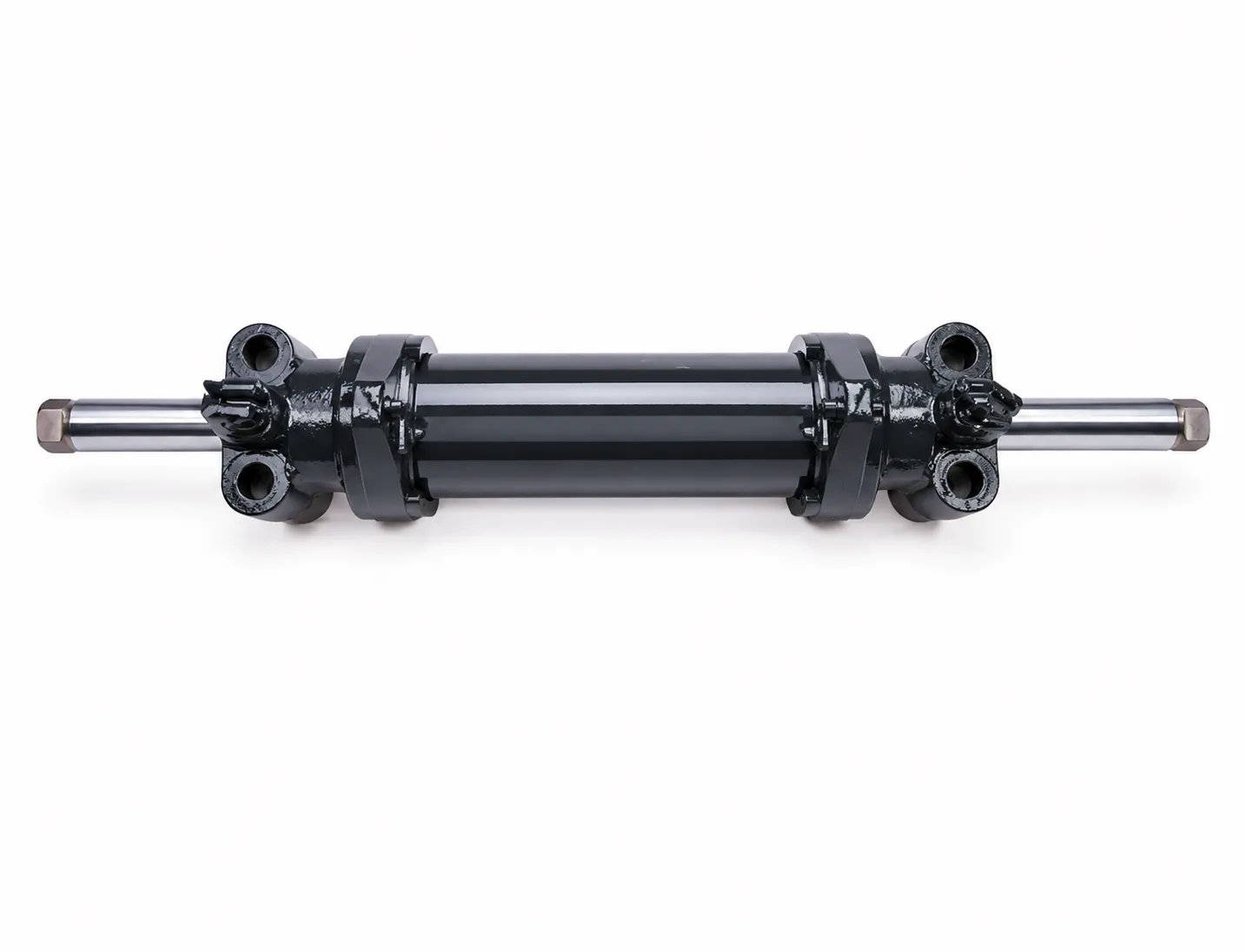
Ever Power — Precision Manufacturing and Customisation for UK Industry
Customer Success — Steel Processing Plant, Sheffield
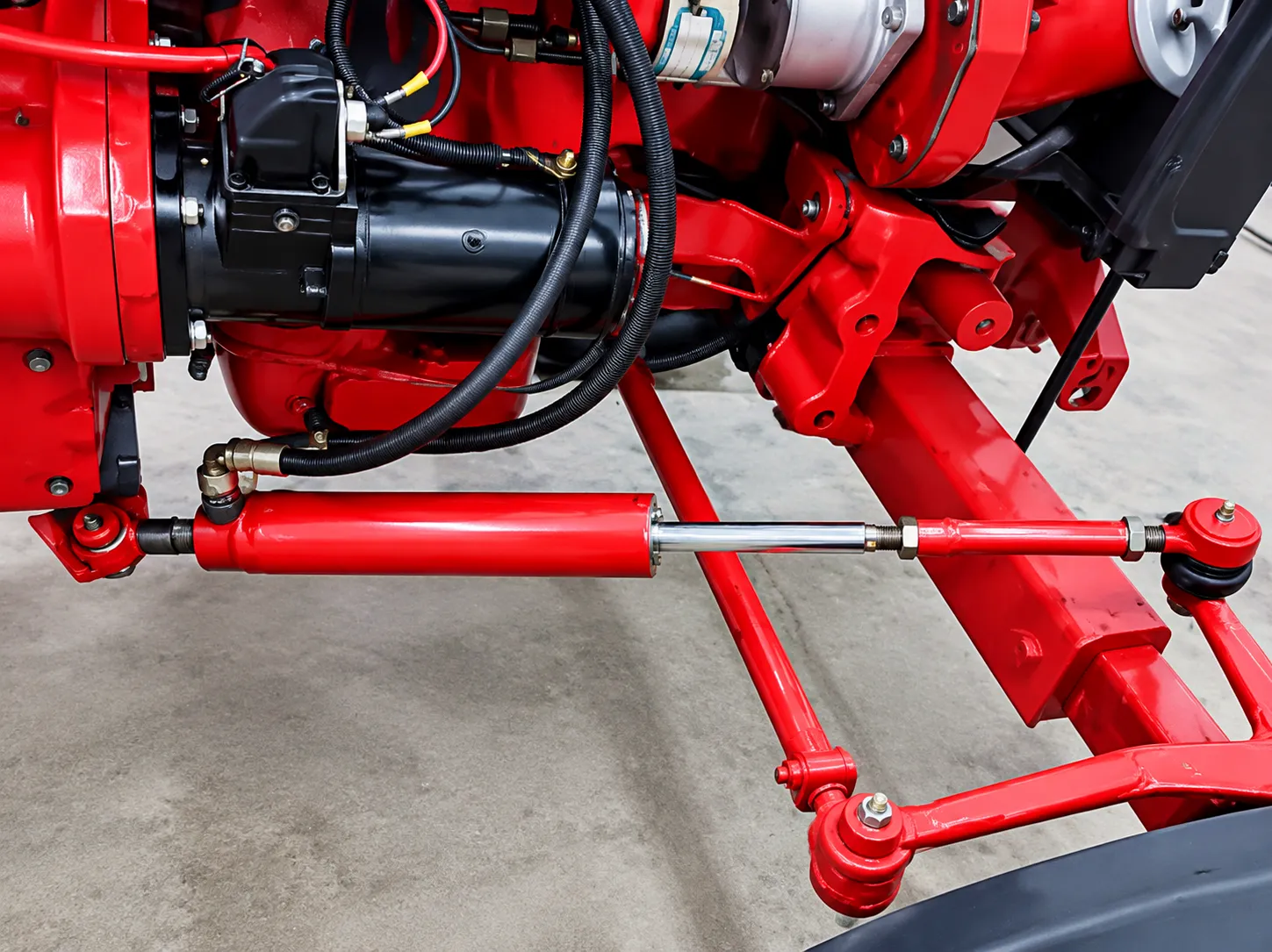 Thorncliffe Steel Components Ltd operates a high-throughput plate processing line at its South Yorkshire facility, where coil-fed material is transferred between processing stations using a fleet of hydraulically-steered pallet movers and transfer cars. Over an 18-month period, the site’s maintenance team replaced four steering cylinders on these vehicles — all of which failed within three to six months of installation. Root cause investigation eventually identified two compounding errors: circuit contamination from the old failed cylinders had never been addressed, and the replacement cylinders had been mounted using a common bracket fabricated to the wrong centreline offset, introducing a consistent 2.5° angular misalignment across all units.
Thorncliffe’s maintenance manager contacted Ever Power after seeing the company’s technical documentation. Ever Power’s application engineering team reviewed the dimensional drawings for the transfer car steering linkage and supplied a batch of custom-configured double-acting cylinders with a revised clevis mounting geometry that corrected the bracket offset error. Detailed commissioning guidance was provided, and the maintenance team carried out a thorough circuit flush and oil change before fitting the new units. The corrected cylinders have now operated for over 14 months without hydraulic fault, achieving the longest continuous service interval on record for this equipment.
“The custom mounting geometry that Ever Power configured for our transfer cars eliminated a persistent alignment problem that had cost us four cylinder replacements in 18 months. The installation documentation they provided was detailed enough for our maintenance team to follow without additional consultancy. Exceptional technical support and a product that simply works as specified.”
“We sourced FKM-sealed steering cylinders from Ever Power for our marine terminal tractor fleet at the Port of Bristol. The specification process was thorough — they confirmed fluid compatibility, rod surface finish, and temperature cycling range before production. Fourteen months in, we have had zero hydraulic failures. The price was competitive and the lead time to our Bristol depot was within the stated window.”
“Ever Power’s application team identified that the cylinders we had been sourcing were specified with the wrong seal compound for our hydraulic fluid — a fact that had been causing premature failures for over two years. The replacement units with correct FKM seals and accurate stroke length have performed without issue across two full planting and harvest seasons. Genuinely impressive product knowledge and responsive communication.”
Product Advantages — What Sets a Well-Engineered Steering Cylinder Apart
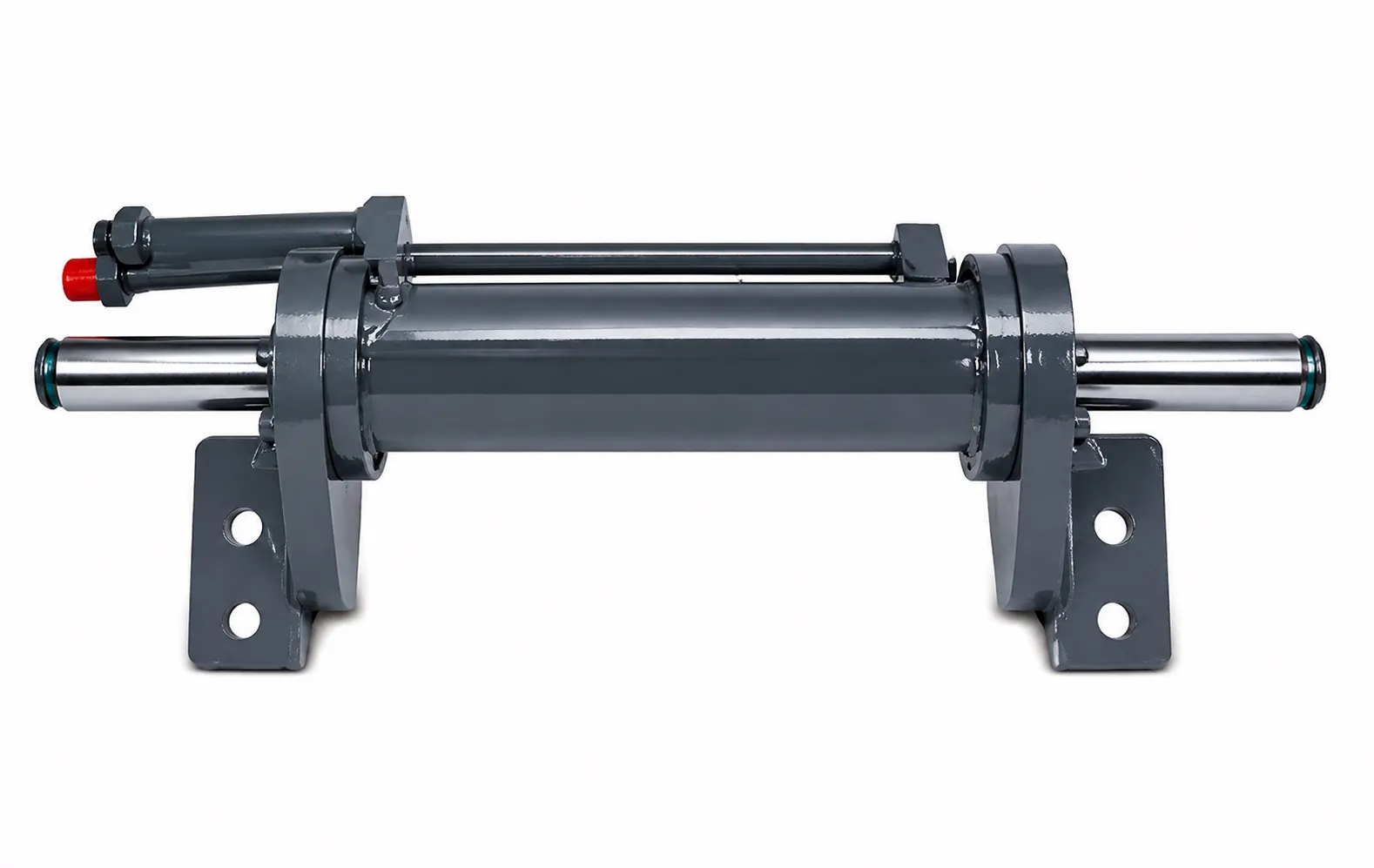
Honed to H8 tolerance or better, reducing seal extrusion risk and eliminating the barrel ovality that compounds misalignment-induced side loading during cylinder stroke.
20–30 µm hard chrome applied to ground rod with surface roughness Ra 0.2 µm or better. Resists scoring from contaminated fluid and tolerates seal contact stresses inherent in installation.
Seal pack selected at point of order specification based on operating fluid, temperature range, and pressure cycling. Eliminates the compatibility mismatches that cause the majority of early-life seal failures.
Every unit supplied with a dimensional drawing, torque table, commissioning checklist, and circuit cleanliness guidance. The documentation alone prevents the majority of installation errors described in this article.
Frequently Asked Questions
How do I know if a steering cylinder installed on my agricultural machine in East Anglia has been incorrectly aligned, and what are the early warning signs?
The most common early indicators are rod seal weeping that appears within the first 20–50 operating hours, uneven chrome wear visible as polished streaks on one side of the rod surface, and a noticeably asymmetric steering effort between left and right lock. You may also notice that the cylinder runs warmer than expected — side loading generates friction heat that is detectable by touch after a working session. Any of these signs warrants pulling the cylinder for inspection and realigning the mounting before returning the machine to service.
What is the typical cost of professional steering cylinder installation for heavy plant equipment in the UK, and what should I budget for the full replacement job?
Installation labour costs vary significantly by equipment type and region. For standard construction plant in the Midlands, a basic cylinder swap with basic commissioning typically runs £150–£350 in labour. When the job includes circuit flushing, oil change, and post-installation alignment verification — which it should — budget an additional £80–£150. The cylinder itself ranges from £120 for a standard catalogue unit to £600+ for a custom-specification heavy-duty unit. For marine or specialised industrial applications, contact Ever Power directly at [email protected] for a detailed quote that includes the unit and recommended installation consumables.
Which UK supplier can provide custom steering cylinders for off-highway plant operating in quarrying environments near Sheffield and how quickly can they deliver?
Ever Power manufactures custom-specification steering cylinders for exactly this application — off-highway and quarrying plant operating in demanding environments. Standard specification units can be delivered to Sheffield-area depots within 8–14 working days from order confirmation. Custom configurations — including non-standard bore, extended stroke, specific port thread, and enhanced corrosion treatment — typically ship within 25–35 working days. Contact [email protected] with your equipment specification for a formal lead-time and price quotation.
What type of seal material should I specify when requesting a price for a replacement steering cylinder that will operate in a marine environment on the UK coast?
For marine coastal applications — particularly port equipment, workboats, and harbour plant — you should specify fluorocarbon (FKM or Viton) seals rather than standard NBR. FKM offers superior resistance to the combination of salt moisture, wide temperature cycling, and the biodegradable hydraulic fluids now mandated for many UK marine operations under the Environment Act. If your system uses biodegradable ester-based hydraulic fluid, confirm this when requesting a quote, as seal compound selection needs to account specifically for ester compatibility. PTFE-tipped rod seals are also beneficial in high-cycle marine applications.
When is the right time to replace a steering cylinder on heavy construction plant in Birmingham rather than attempting a seal-only repair?
Seal-only repair is appropriate when the failure is purely a seal leak with no underlying damage to rod or bore surfaces — typically confirmed by inspecting the chrome rod for scoring, pitting, or rust banding, and checking the barrel bore for ovality or scoring using a bore gauge. If the rod chrome shows visible damage over more than 20 mm of length, or if the bore shows out-of-round greater than 0.05 mm, replacement of the full cylinder unit is the correct recommendation. A partial repair on a damaged rod will fail within weeks. Given the labour cost of repeated workshop visits for Birmingham plant hire operators, a cylinder replacement with a quality unit is nearly always more cost-effective than multiple seal repairs on a damaged unit.
Tell us your bore, stroke, operating pressure, seal requirement, and mounting configuration. Our engineering team will respond within one working day with a specification confirmation and commercial proposal.