
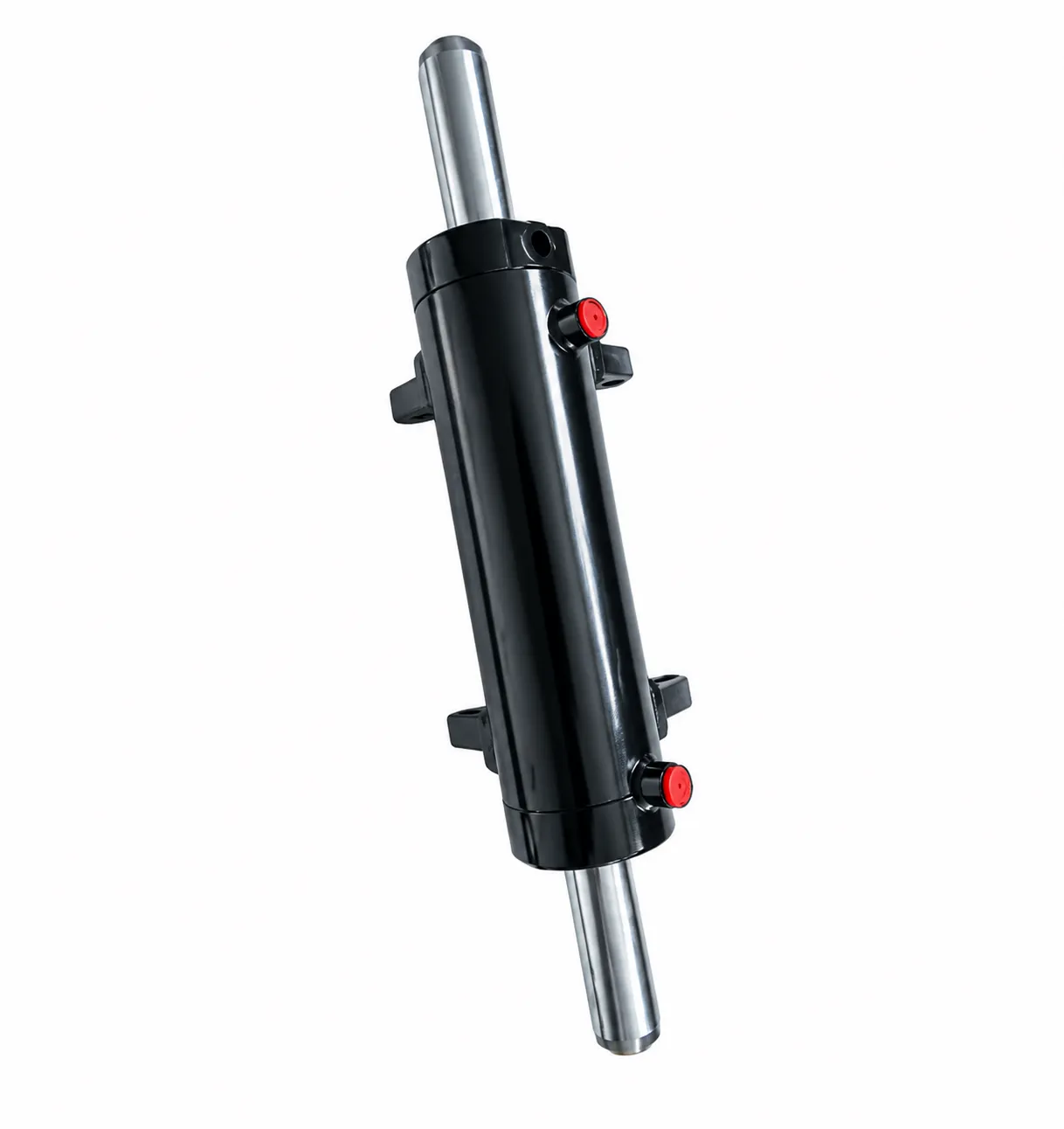
 In industrial hydraulics, the gap between a system that merely works and one that works efficiently is measured in kilowatts wasted, components worn prematurely, and cycle times stretched beyond what any production schedule can absorb. The steering cylinder sits at the heart of this challenge. From agricultural machinery rolling across the fields of Yorkshire to heavy earth-moving plant operating out of construction depots in Birmingham, the steering cylinder is the mechanical component that translates hydraulic energy into precise directional control. Yet for decades, conventional fixed-displacement hydraulic circuits delivered full pump pressure regardless of whether the actuator demanded it — a design philosophy that squandered energy on a vast scale. Load-sensing hydraulics changed that equation fundamentally, and understanding why this matters to UK procurement engineers and plant managers is the starting point for specifying the right component the first time.
The Hydraulic Anatomy of a Load-Sensing Steering Cylinder System
Variable-Displacement Pump & Signal Line
At the core of a load-sensing arrangement is a variable-displacement axial-piston pump fitted with a pressure-compensating and flow-sharing control. A dedicated signal line — typically a small-bore pilot circuit — runs from the steering control valve back to the pump’s servo mechanism. This signal communicates the highest load pressure present in the steering cylinder circuit, and the pump adjusts its swashplate angle to maintain system pressure at a differential of roughly 20–30 bar above that signal. Because the pump only generates the pressure and flow actually demanded, parasitic losses that plague fixed-displacement systems are dramatically curtailed. This is particularly significant in applications like agricultural tractors widely used across the arable farms of Lincolnshire and East Anglia, where PTO-driven implements and the hydraulic steering circuit must share pump capacity without mutual compromise.
Priority Valve & Demand-Responsive Flow
A flow-priority valve — sometimes called a steering priority valve — intercepts pump output and guarantees that the steering cylinder receives its required flow before any other hydraulic circuit in the machine. This is not merely a convenience feature; it is a safety-critical architecture. On a loaded articulated vehicle navigating the ramp of a distribution warehouse in Coventry, a momentary flow starvation of the steering circuit could mean catastrophic loss of directional control. The priority valve ensures this never occurs by holding a minimum flow path to the steering orbitrol or control valve at all times, regardless of competing demands from loader arms, attachments, or secondary circuits. Modern load-sensing designs integrate a pressure-compensated flow divider that makes this priority allocation dynamic rather than fixed, further improving overall machine efficiency.
Cylinder Response Dynamics & Dead-Band Elimination
One of the less-publicised advantages of load-sensing hydraulics is the near-total elimination of the steering dead-band that plagues conventional open-centre systems. In an open-centre circuit, the operator must overcome system inertia and flow-path losses before the steering cylinder begins to respond. With a load-sensing arrangement, pressure is pre-loaded to just above actual demand at all times, so the cylinder starts moving almost the instant the operator applies input. For precision applications like guided telehandlers working on narrow construction sites in London’s urban redevelopment zones, or steerable axle systems on flatbed trailers being manoeuvred through tight dock gates at freight terminals in Manchester, this immediacy of response translates directly into operational productivity and reduced driver fatigue over long shifts.
Why Load-Sensing Steering Cylinders Deliver a Measurable Competitive Edge
Energy Savings of 20–35%
Independent testing on articulated wheel loaders has consistently demonstrated hydraulic power savings in the 20–35% range when transitioning from fixed-displacement to load-sensing steering circuits. For a fleet operator running 50 machines out of a depot in the West Midlands, those savings compound into a material reduction of fuel expenditure and CO2 output that directly supports compliance with UK industrial sustainability targets and the Climate Change Levy framework. The steering cylinder itself does not consume energy differently; it is the pump driving it that benefits, confirming that selecting a cylinder optimised for low-friction operation amplifies the system-level energy gains further.
Reduced Thermal Load on the System
Excess pressure relief in a conventional hydraulic system converts wasted pump energy into heat, which then has to be managed by an oil cooler large enough to keep fluid temperature within limits. In a load-sensing arrangement, far less energy is throttled away, meaning the hydraulic oil runs cooler. Lower bulk oil temperatures extend seal life significantly — polyurethane rod seals that might need replacement every 4,000 hours in a hot conventional circuit can achieve 8,000 hours or more in a well-optimised load-sensing system. For plant hire companies operating across the UK with complex servicing schedules, this directly translates to reduced maintenance downtime and lower parts consumption.
Precision Steering Feel & Operator Confidence
The proportional relationship between pump output and actual cylinder demand means that steering response feels consistent across the full range of machine operating conditions. Whether the hydraulic system is cold on a winter morning at a construction site in Glasgow or running hot after four hours of intensive quarrying work near Derby, the operator experiences the same crisp, predictable steering feel. This is not a trivial comfort feature — it is a safety attribute. Operators who can predict exactly how the machine will respond to a given input make better decisions under time pressure, and that reduces incident rates in busy industrial environments.
Extended Component Service Life
Because the steering cylinder in a load-sensing circuit operates at controlled, demand-matched pressure rather than continuously cycling against full relief valve pressure, internal wear progression is fundamentally different. Piston seals, rod seals, and barrel bore surfaces all experience lower average contact stress. The reduction in pressure overshoot events — where a fixed-displacement system momentarily slams full pump pressure against the cylinder end cap as the steering reaches lock — eliminates one of the primary causes of end cap thread fatigue and seal extrusion damage. The net result is a cylinder that reliably reaches and exceeds its rated service life in real-world operation.
Product Technical & Performance Parameters
The table below covers Ever Power’s standard-range load-sensing compatible steering cylinders. Custom bore, stroke, pressure rating, and mounting configurations are available on request — contact the technical team with your OEM specification sheet for a rapid feasibility assessment.
| Parameter | Specification | Notes |
|---|---|---|
| Bore Diameter | 50 mm – 200 mm | Custom bores outside range on request |
| Rod Diameter | 35 mm – 140 mm | Ratio optimised per application load case |
| Stroke Length | 100 mm – 1,200 mm | Lock-to-lock travel configurable |
| Operating Pressure | Up to 350 bar (continuous) | Peak up to 420 bar (transient) |
| Steering Angle | ±30° to ±55° (articulated) / up to 75° (stub axle) | Depends on mounting geometry |
| Barrel Material | St52 / E355 seamless precision tube | Honed to Ra 0.4 µm, induction hardened |
| Rod Material & Finish | 42CrMo4, hard chrome or HVOF WC | Ra 0.2 µm finish, chrome 20–25 µm |
| Seal Temperature Range | -40°C to +120°C standard | +150°C available with specialist FKM stack |
| Mounting Style | Clevis, trunnion, flange, spherical bearing | OEM interface drawings accepted |
| Port Thread Standard | BSP / BSPP / SAE / metric | BSP standard for UK supply |
| Corrosion Protection | Zinc-nickel alloy plating standard | Salt-spray test 480–1,000 hrs per ISO 9227 |
| Testing Standard | ISO 10100, ISO 6020, CE-marked | Full hydrostatic test at 1.5x rated pressure |
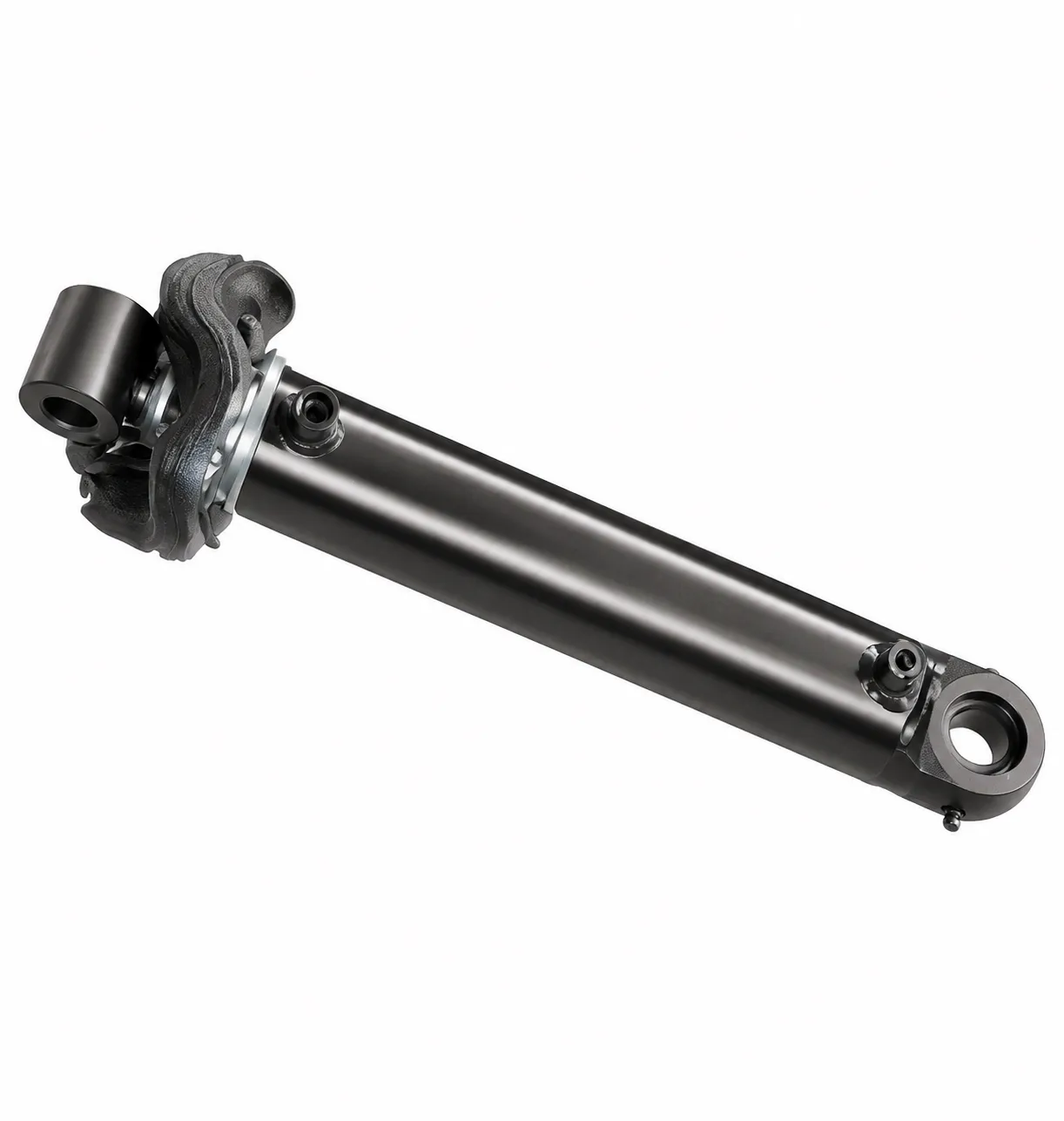
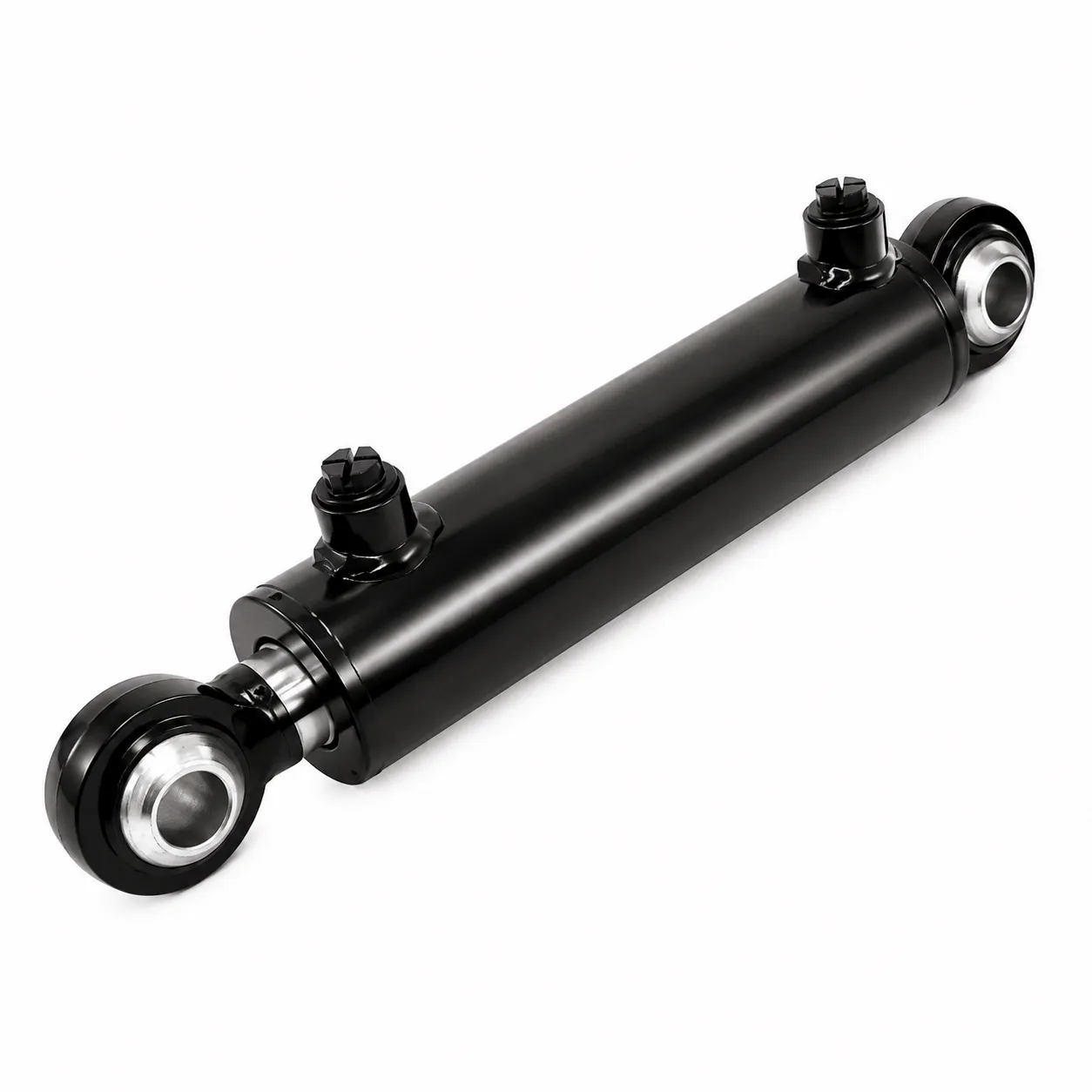
Precision tilt cylinders for forklift mast systems. Engineered for high-cycle duty in UK warehouse and logistics environments where reliability and tight stroke tolerances are non-negotiable.
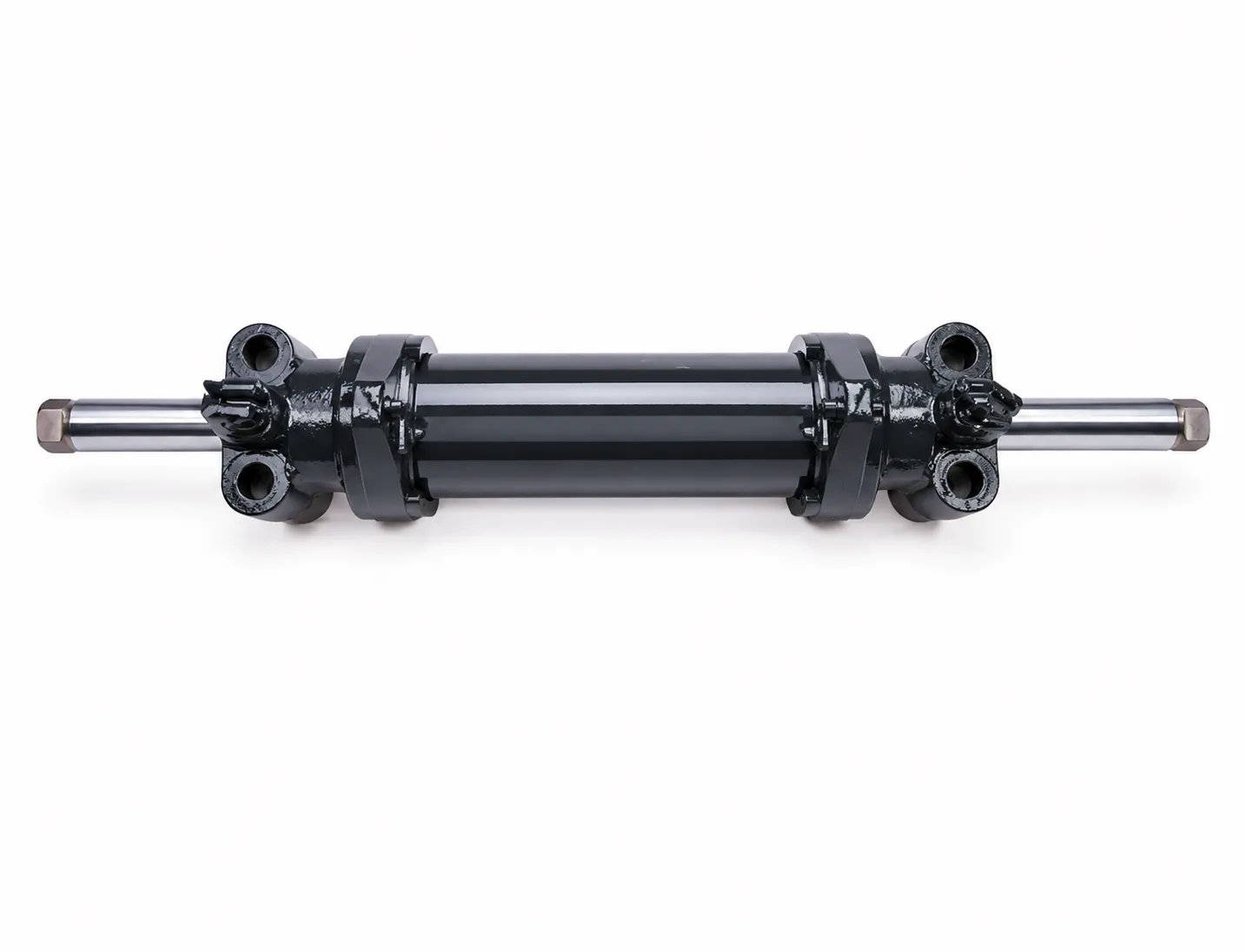
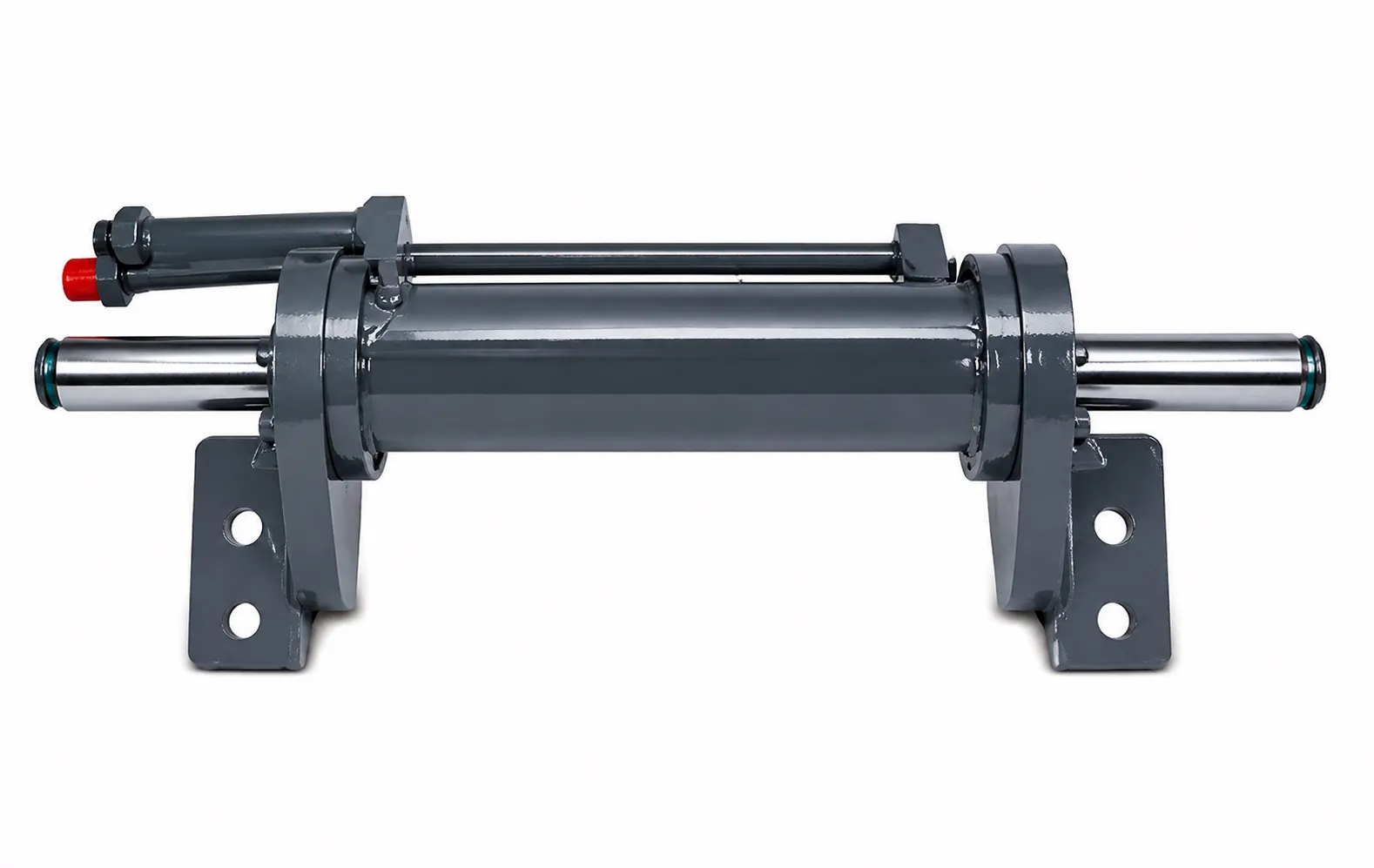
Heavy-duty steering cylinders purpose-built for counterbalance and reach truck applications. Compact body design suits tight machine packaging while delivering full-rated force at load-sensing pressures.
Industrial Application Scenarios Across the UK
Load-sensing steering cylinders serve a remarkably broad range of sectors. The following scenarios reflect active applications in the UK industrial market where Ever Power components are already deployed or specified.
Sheffield Quarry Operator Cuts Hydraulic Maintenance Costs by 38% After Steering Cylinder Upgrade
 A mid-sized quarry operation based near Sheffield, South Yorkshire, running a mixed fleet of eight articulated dump trucks and three wheeled loading shovels, had been experiencing persistent steering cylinder failures averaging once every 14 months per unit across the fleet. The failures were predominantly manifesting as rod seal extrusion and internal scoring of the barrel bore — both characteristic symptoms of sustained over-pressure operation in a fixed-displacement hydraulic circuit that was also serving the loader arm and auxiliary circuits on the same pump. Total maintenance expenditure attributable to the steering cylinders, including parts, labour, and machine downtime costs, was tracking at approximately £18,400 per year across the fleet.
The site engineer contacted Ever Power following a recommendation from a hydraulic systems distributor based in Leeds. After reviewing the machine specifications and failure records, Ever Power’s technical team recommended a two-part solution: retrofitting load-sensing compatible steering cylinders with upgraded 42CrMo4 rods and HVOF-coated surfaces in place of the original chrome-plated units, combined with re-commissioning guidance for the load-sensing pump controls that had been set to overly conservative (high) standby pressure by a previous service contractor. Custom cylinders were manufactured to match the original OEM mounting interfaces exactly — no chassis modifications were required — and the first four units were delivered to the site in Sheffield within six weeks of order confirmation, with the remaining seven units following within a further three weeks.
Eighteen months into service, no cylinder failures have been recorded across the retrofitted fleet. The site’s hydraulic oil service intervals have been extended by 30% due to the reduced thermal load on the fluid. Total hydraulic maintenance costs attributable to the steering circuits have fallen by 38% compared to the equivalent prior period — a saving in excess of £7,000 per year, delivering full payback on the cylinder investment within the first operating year. The site now specifies Ever Power steering cylinders as the standard replacement unit across all new machine additions to the fleet.
“We had tried two other replacement cylinder suppliers before Ever Power and neither matched the service life of the originals. The HVOF rod coating has made a significant difference — eighteen months in, the rods are still spotless. Pricing was competitive and the technical support during the retro-fit was genuinely useful.”
— Site Engineer, Quarry Operations, Sheffield, South Yorkshire
“What impressed us most was that Ever Power could match our clevis geometry exactly from the original OEM drawings. No slotting, no adapters, no machining on site. The cylinders went straight on. The custom documentation they provided — test certificates, dimensional reports — also satisfied our ISO 9001 audit requirements without any additional paperwork from us.”
— Fleet Maintenance Manager, Plant Hire Company, Leeds, West Yorkshire
“We source steering cylinders for several different machine platforms from Ever Power now. The load-sensing optimised units they supplied for our terminal tractor fleet at the port have genuinely delivered on the fuel consumption numbers their engineers projected. The DDP delivery arrangement also means zero customs hassle — the cylinders arrive ready to go into the workshop.”
— Procurement Director, Port Handling Equipment, Southampton, Hampshire
Frequently Asked Questions
How does a load-sensing hydraulic system actually improve the efficiency of a steering cylinder on an articulated dump truck working in a UK quarry environment?
A load-sensing system matches pump output to what the steering cylinder actually demands at each moment, rather than delivering constant maximum pressure. In a quarry dump truck, this means the pump conserves energy during straight-line travel and only ramps up when a steering manoeuvre is initiated. The result is lower hydraulic fluid temperatures, reduced pump wear, and a steering cylinder that operates within its designed pressure envelope rather than against chronic over-pressure — all of which extend service life significantly in demanding UK quarry conditions.
What is the approximate cost or price range for a custom steering cylinder from Ever Power, and how do I get a quote if I am based in Birmingham or elsewhere in the UK?
Pricing depends on bore size, stroke, pressure rating, surface treatment specification, and order quantity. Standard-range cylinders start from a very competitive base, while fully custom units with HVOF rod coating, integrated position sensors, or non-standard mounting geometry are priced on application. The fastest way to get a firm price is to email your specification or OEM drawing to [email protected] — the team typically provides a quotation within 24–48 hours for UK enquiries, with DDP delivery pricing included in the quote.
Which industries in the UK most commonly use load-sensing compatible steering cylinders, and where can I find a reliable supplier with fast UK delivery?
Agriculture, quarrying, construction plant, port and terminal handling, and special purpose vehicle manufacturing are the primary sectors in the UK. Ever Power supplies all of these sectors with DDP delivery to UK warehouse addresses, meaning no import complexity for the buyer. Lead times on standard-range units are typically 3–5 weeks; fast-track options are available for urgent requirements.
How can I tell whether my existing steering cylinder is compatible with a load-sensing hydraulic circuit, or do I need a completely different cylinder specification?
The cylinder itself does not need to change when upgrading to a load-sensing circuit — it is the pump control and priority valve architecture that determines whether the circuit is load-sensing or conventional. However, if your existing cylinder was sized for a fixed-displacement system running at chronically elevated pressure, it may be operating with a thicker rod or larger bore than strictly necessary. An Ever Power technical review of your application can determine whether the existing cylinder geometry remains appropriate or whether a redesigned unit optimised for the load-sensing pressure envelope would offer additional service life or weight savings.
What quality certifications and test standards do steering cylinders from Ever Power meet, and are they suitable for CE-marked machinery sold in the UK post-Brexit?
Ever Power steering cylinders are manufactured and tested to ISO 10100, ISO 6020, and relevant ISO 6022 standards. Each unit is hydrostatically tested at 1.5 times rated pressure, with test records issued as standard. For UK OEMs incorporating these cylinders into CE-marked or UKCA-marked machinery, full dimensional reports, material certifications, and pressure test certificates are provided to support the technical file for conformity assessment. The company’s quality management system operates to ISO 9001 principles.
Who should I contact at Ever Power to discuss a bespoke steering cylinder design for a new machine development project based in Sheffield or Birmingham?
Reach the Ever Power engineering team directly at [email protected]. When enquiring about a new development project, include the machine type, approximate bore and stroke requirement, operating pressure and any known mounting geometry constraints. The team will assign an application engineer to the project and can provide a preliminary feasibility response within 48 hours for UK-based OEM customers.
Ready to Specify the Right Steering Cylinder?
Send your specification, OEM drawing, or technical enquiry to the Ever Power team. UK enquiries receive a DDP quotation within 24–48 hours.
edit by gzl