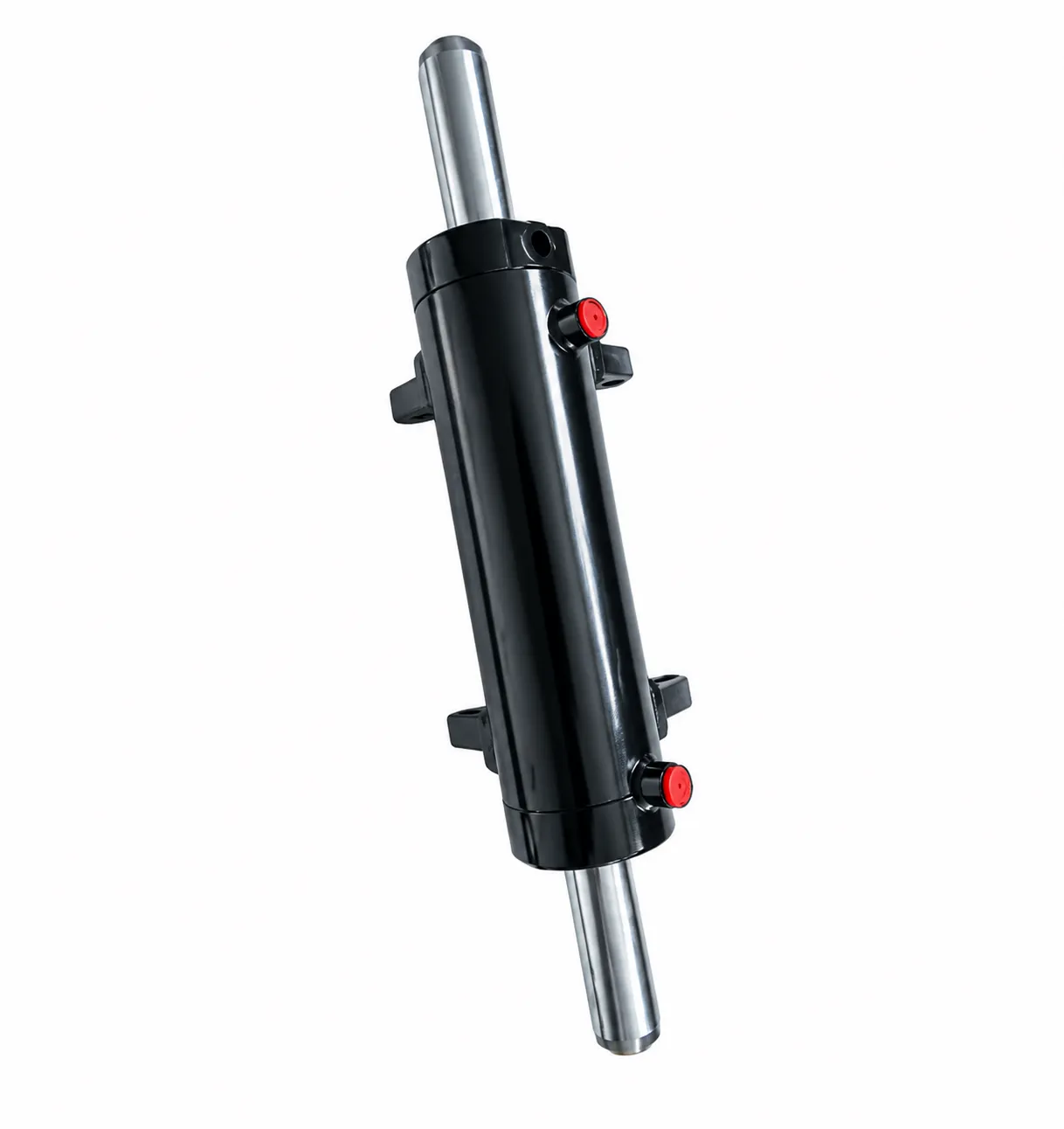
 The steering cylinder is the structural and functional heart of an articulated dump truck’s (ADT) chassis-articulation system. Unlike conventional rigid-frame vehicles that rely on wheel-angle adjustments, articulated dump trucks pivot through the frame itself — a design that places the entire directional burden on one or two large-bore hydraulic actuators connecting the front and rear chassis sections. In UK construction and quarrying operations, where haul roads twist through uneven terrain from the Scottish Highlands to the limestone quarries of the Peak District, the steering cylinder must deliver millimetre-accurate extension and retraction under full payload conditions, often in mud-laden, high-vibration environments that would rapidly degrade inferior components.
What makes this specific cylinder application so demanding is the combination of factors it must endure simultaneously: operating pressures that regularly exceed 280 bar, continuous side-loading from the oscillating rear body, thermal cycling caused by long working shifts in British winter conditions, and the ever-present contamination risk from quarry dust and wet clay. When any one of these stress points is underestimated at the design or manufacturing stage, the result is not simply reduced performance — it is abrupt failure mid-cycle, with costly downtime and potential safety implications on site. This article examines the engineering behind high-performance steering cylinders, the materials and geometry decisions that separate reliable units from short-lived ones, and how suppliers like Ever Power bring precision-manufacturing capability to meet the UK market’s most exacting specifications.
How a Steering Cylinder Works Inside an Articulated Dump Truck
Working Principle — Hydraulic Actuation & Frame Articulation
Hydraulic Circuit Integration
The steering cylinder is plumbed directly into the truck’s load-sensing hydraulic circuit. When the operator turns the steering wheel or joystick, the electrohydraulic control valve meters oil from the pump into one of the cylinder’s two working chambers. The differential pressure across the piston — typically between 150 and 320 bar depending on truck class — generates the linear force that pivots the front chassis relative to the rear. A pilot-operated check valve maintains position under static load, preventing drift when hydraulic pressure momentarily drops during gear changes or engine-speed fluctuations. This closed-loop pressure management is what allows ADT drivers on steep haul roads in Welsh quarries to hold a precise line without constant steering correction.
Double-Acting Piston Mechanics
Nearly all ADT steering cylinders operate on a double-acting principle: hydraulic pressure can be applied to either side of the piston, enabling both extension and retraction under full force. The bore diameter on mid-range trucks typically ranges from 80 mm to 140 mm, with rod diameters from 55 mm to 100 mm, giving a rod-to-bore ratio carefully calculated to balance push and pull forces across the full 40-degree articulation arc. The cylinder rod extends from one clevis end, which is pin-connected to the rear chassis bracket, while the barrel’s cap end attaches to the front chassis. As the piston traverses the barrel, the mechanical advantage created by the lever arm between the cylinder mounting points and the articulation pivot translates modest linear force into the powerful rotational torque needed to swing a 40-tonne loaded body through soft ground.
Seal System and Pressure Management
The internal seal stack — comprising primary rod seals, secondary buffer seals, and wiper rings — must simultaneously retain oil at high pressure and exclude particulate contamination from the external environment. In ADT applications, the rod reciprocates through a zone saturated with quarry slurry, clay, and grit, which is why multi-lip polyurethane wiper seals combined with metallic scraper rings are standard on quality units. The seal geometry is engineered to a film-lubrication principle: a thin, controlled oil film remains on the rod surface after each retraction stroke, lubricating the seals and preventing adhesive wear, while the wiper removes the gross contamination layer before it can migrate inward past the primary seal. This balance between lubrication and exclusion is the defining seal engineering challenge in heavy construction hydraulics.
Core Materials That Define Steering Cylinder Longevity
Material Science — Barrel, Rod, Seals, and Surface Treatment
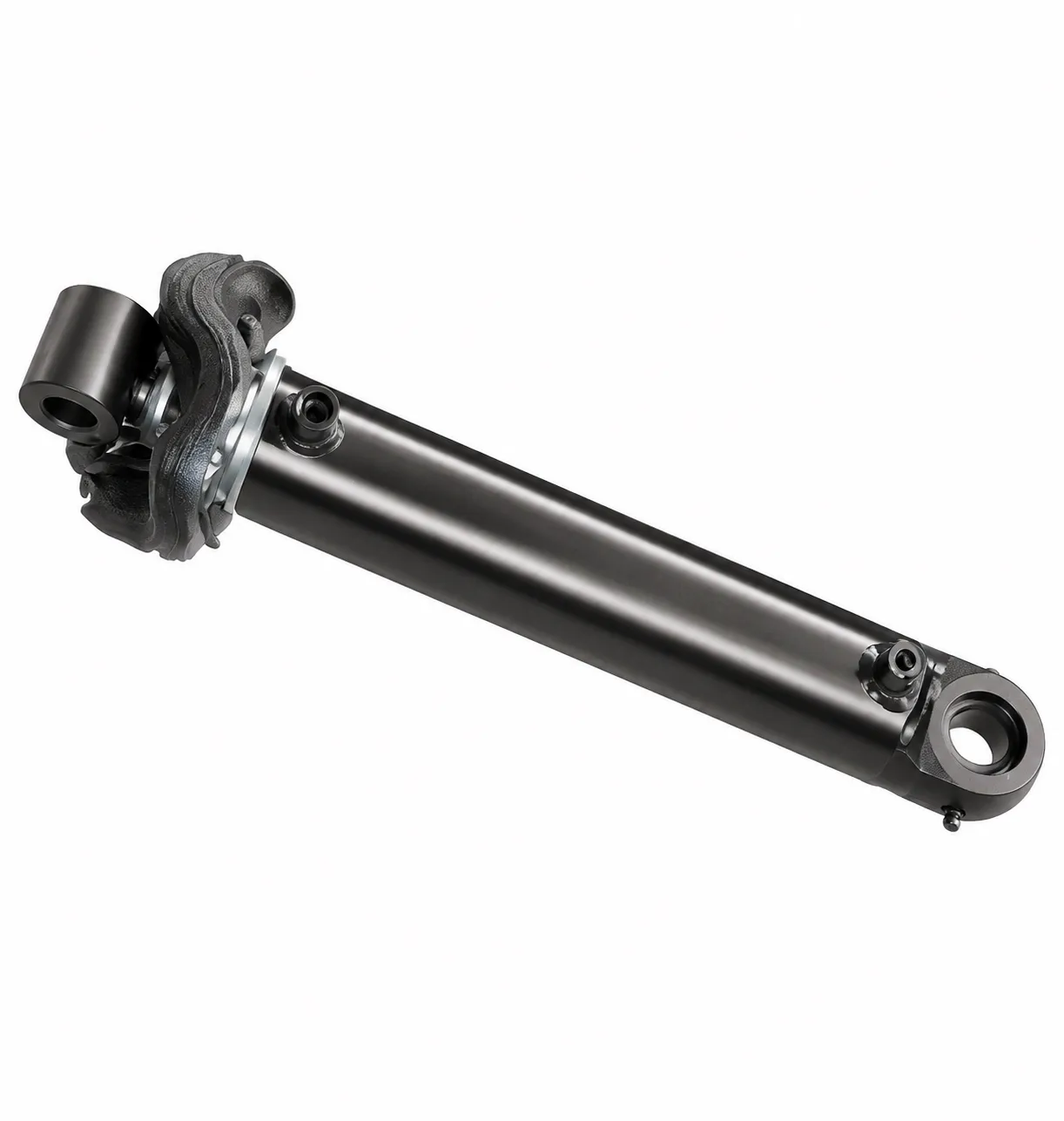 Material selection in a steering cylinder is not a cost-optimisation exercise — it is a reliability-engineering decision that ripples through every aspect of field performance. The cylinder barrel on heavy-duty ADT units is cold-drawn and precision-honed from EN10305-2 seamless cold-drawn steel tube, with a bore tolerance held to H7 to guarantee consistent oil film thickness. The internal bore surface is finished to a roughness of Ra 0.2–0.4 µm using a multi-pass honing process, producing the cross-hatch pattern that retains a sufficient lubrication film without creating channels for contaminant ingression. British quarry operators in regions like the Mendip Hills and the Derbyshire limestone belt routinely run ADTs for 12-hour shifts, meaning the barrel inner surface must sustain this tribological performance for 8,000+ hours before overhaul.
The piston rod is manufactured from 42CrMo4 alloy steel — a chrome-molybdenum grade that combines high tensile strength (typically 900–1,100 MPa in the treated condition) with excellent resistance to fatigue cracking under cyclic bending loads. After rough machining, rods undergo induction hardening to achieve a surface hardness of 55–62 HRC to a depth of 1.5–2.5 mm, followed by hard chrome plating to 0.03–0.05 mm thickness. This chrome layer provides the corrosion resistance demanded by the UK’s wet climate while delivering a surface hardness exceeding 800 HV that resists abrasion from fine mineral particles trapped against the seal lips. In recent years, high-velocity oxygen-fuel (HVOF) tungsten carbide coatings have emerged as an alternative to hard chrome, offering superior wear resistance, though the material cost premium means chrome remains dominant across standard ADT cylinder configurations.
The piston itself, machined from ductile cast iron or sintered steel depending on bore diameter, carries the seal groove geometry that defines leakage performance across the full pressure range. Piston seal compounds in ADT steering cylinders are predominantly thermoplastic polyurethane (TPU) with bronze-filled PTFE backup rings — a combination selected for its ability to handle the rapid pressure reversals that occur when steering direction is changed abruptly on a moving truck. The end caps and clevis forgings are machined from S355-grade structural steel, with phosphate conversion coating applied prior to final painting to create a chemical bond layer that dramatically extends topcoat adhesion life in the muddy, chemically aggressive haul-road environment found across the UK’s active quarrying counties.
Technical Advantages of High-Performance Steering Cylinders
Why engineering precision at each stage translates directly to lower cost-per-tonne haulage
01
Precision Bore Geometry Eliminates Internal Drift
Holding bore roundness to within 0.01 mm throughout the barrel length ensures that the piston seal contacts the bore surface with uniform radial preload at every position. This eliminates the micro-clearances that allow pressure-driven leakage to bypass the piston under sustained static load — a failure mode that manifests as gradual steering drift and unpredictable handling on loaded downhill runs. For ADT fleets working on the steep grades found at quarries near Sheffield and in North Yorkshire, internal drift is not a nuisance — it is a safety-critical defect. Precision-bored cylinders remove this risk at source by ensuring that geometry tolerances, rather than seal squeeze alone, maintain position.
02
Chrome-Plated Rod Resists Corrosion and Abrasion
A hard chrome layer applied to a minimum depth of 25 µm and finished to Ra ≤ 0.2 µm creates a rod surface that simultaneously resists the electrochemical corrosion accelerated by the UK’s chloride-laden coastal air and the mechanical abrasion imposed by fine quarry dust. In independent salt-spray testing to ISO 9227, well-coated steering cylinder rods achieve 240+ hours without red-rust formation, compared to 48–72 hours for uncoated or poorly plated rods. This corrosion resistance is especially valuable in coastal construction projects across the South West, East Anglia, and Scotland, where salt-laden wind and rain accelerate surface degradation on any exposed metal component cycling in and out of the cylinder over thousands of operating hours.
03
High-Cycle Seal Package Extends Service Intervals
ADT steering cylinders complete a full extension-retraction cycle approximately every 4–8 seconds during active manoeuvring, meaning a single 12-hour shift can accumulate more than 5,000 cycles. The seal package must endure this mechanical fatigue while also surviving temperature excursions from -15°C during winter pre-dawn starts in Northern England to over 80°C at the oil temperature in the hydraulic circuit after sustained high-load operation. Polyurethane TPU seals with a Shore A hardness of 92–95 and operating temperature range of -40°C to +120°C handle this range comfortably, and correctly profiled seal grooves prevent extrusion under pressure spikes that would otherwise shorten seal life by an order of magnitude.
04
Forged Clevis Ends Absorb Impact Loading
The clevis-end connection between the cylinder and the chassis is the highest-stress point in the entire assembly — it must transmit not only the steady hydraulic thrust but also the dynamic shock loads that occur when a heavily loaded truck drops a wheel into a rut or climbs over a boulder at speed. Drop-forged clevis ends machined from S355J2 steel have a fibre-flow pattern aligned with the loading direction, providing 20–35% higher fatigue resistance than equivalent parts machined from bar stock. Hardened steel pins with a minimum case depth of 2 mm and precision-fitted spherical plain bearings allow angular misalignment of ±3° to ±5°, accommodating the torsional twisting of the chassis frame that occurs on extreme terrain without transmitting bending moments into the cylinder barrel.
05
Low-Friction Design Reduces Hydraulic Power Demand
Every watt of hydraulic energy consumed by cylinder friction is heat generated inside the hydraulic circuit — heat that accelerates oil degradation, seal ageing, and pump wear. Premium steering cylinders achieve a starting friction force typically below 3% of rated load through the use of low-friction composite guide bands rather than metal-to-metal contact at the rod and piston, combined with seal profiles designed to minimise squeeze while maximising pressure containment efficiency. For fleet operators running large ADT fleets across sites like those in Warwickshire and Leicestershire, the cumulative fuel savings from reduced hydraulic system losses across a 10-truck fleet can exceed £15,000 per year — a compelling return-on-investment argument that justifies the premium associated with precision-engineered steering hydraulics.
Steering Cylinder Technical and Performance Parameters
Reference specification ranges for ADT articulated steering cylinder assemblies — Ever Power standard and custom configurations
| Parameter | Light Duty (15–25t ADT) | Medium Duty (25–40t ADT) | Heavy Duty (40–60t ADT) |
|---|---|---|---|
| Bore Diameter | 80 – 100 mm | 100 – 125 mm | 125 – 160 mm |
| Rod Diameter | 55 – 70 mm | 70 – 90 mm | 90 – 110 mm |
| Operating Pressure (max) | 250 bar | 280 bar | 320 bar |
| Test Pressure | 375 bar | 420 bar | 480 bar |
| Stroke Length | 180 – 300 mm | 250 – 380 mm | 320 – 480 mm |
| Articulation Angle Supported | ±35° | ±38° | ±40° |
| Barrel Material | EN10305-2 Cold-Drawn Steel | EN10305-2 Cold-Drawn Steel | EN10305-2 / ST52.3 |
| Rod Material & Coating | 42CrMo4 + Hard Chrome 25 µm | 42CrMo4 + Hard Chrome 35 µm | 42CrMo4 + Hard Chrome 50 µm |
| Rod Surface Hardness | 55 – 58 HRC | 58 – 62 HRC | 60 – 64 HRC |
| Seal Compound | TPU + PTFE backup | TPU + Bronze-filled PTFE | TPU + Bronze-filled PTFE |
| Operating Temperature Range | -20°C to +100°C | -30°C to +110°C | -40°C to +120°C |
| Bore Surface Finish (Ra) | 0.3 – 0.4 µm | 0.2 – 0.3 µm | 0.2 µm |
| Design Service Life (cycles) | 2,000,000 | 3,000,000 | 5,000,000 |
| Mounting Configuration | Clevis-Clevis / Clevis-Flange | Clevis-Clevis / Trunnion | Trunnion / Custom |
Application Scenarios: Where Steering Cylinders Prove Their Value
UK Industrial Operations — From Midland Quarries to Highland Infrastructure Projects
Aggregate and Limestone Quarrying — Derbyshire and Peak District
Quarry operations across the Derbyshire limestone belt run 25–45 tonne ADTs on circuit haul routes that combine steep gradients, sharp bends, and surfaces ranging from compacted limestone to wet clay overburden. The steering cylinder on these machines must handle full-load cornering forces while the chassis twists over uneven quarry floor. Extended greasing intervals matter enormously here — a cylinder that requires bearing-pin lubrication every 50 hours adds considerable maintenance cost when multiplied across a fleet of 12–20 trucks. High-pressure-rated steering cylinders with pre-lubricated spherical plain bearings and extended 500-hour greasing intervals are consistently specified by UK fleet managers in this sector, making the quality of bearing design as commercially significant as the cylinder’s pressure rating.
Opencast Coal and Clay Mining — Yorkshire and Nottinghamshire
The clay-heavy soils of opencast mining sites in Yorkshire and Nottinghamshire represent one of the harshest environments for articulated haulage. Saturated clay coats every exposed surface including the steering cylinder rod, and the high plasticity of the material means that standard wiper seals quickly become overwhelmed, allowing clay ingress past the secondary seal and into the rod guide bearing. Operations in these regions have moved towards triple-lip wiper assemblies with an integrated mud scraper ring as the primary external seal, combined with pressurised grease barriers at the rod guide entry. Cylinders configured with these features sustain full oil-tightness for 3,000+ hours in conditions where standard units fail within 800 hours — a difference that translates directly into reduced spare-parts cost and fewer unscheduled shutdowns on sites where every hour of machine downtime costs hundreds of pounds.
Major Infrastructure and Road Construction — Birmingham and Midlands HS2 Works
Infrastructure megaprojects in and around Birmingham — including earthworks associated with the expanded HS2 rail corridor and the region’s extensive road widening programme — deploy large fleets of articulated dump trucks that run on a near-continuous basis across multi-year project timelines. For contractor plant managers, the supply chain reliability of steering cylinder spares is as critical as the engineering specification of the cylinder itself. Contractors on these projects have standardised on steering cylinder suppliers who can guarantee lead times under 10 working days for replacement units, provide full traceability documentation for CE-marked hydraulic components, and supply matched pairs of left and right cylinders with identical port configurations to minimise downtime during field replacement. The administrative burden of managing different port standards across a mixed fleet is a real and frequently underestimated cost on large UK infrastructure contracts.
Wind Farm Construction and Land Drainage — Scottish Highlands
Wind farm development across the Scottish Highlands and Borders region requires ADTs to operate on temporary access tracks across peat bog and heather moorland where ground conditions change dramatically with the weather. In these environments, machine weight must be distributed over the largest possible footprint, which is why low ground-pressure ADT configurations with wide-base tyres are standard. The steering cylinder on these machines must accommodate the extreme frame-twist angles — sometimes beyond the nominal ±40° rating — that occur when a wheel drops unexpectedly into soft peat. Cylinders specified for Scottish highland wind farm work routinely carry an additional angular misalignment tolerance of ±5° in the clevis bearings, with rod guide bushings made from self-lubricating PTFE-composite material to handle the continuous micro-oscillation imposed by the soft ground traversal without generating fretting wear at the bearing interface.
Steel Works and Slag Handling — Sheffield and Rotherham
The steel works and scrap processing facilities that continue to operate across South Yorkshire present a radically different set of environmental stresses on steering cylinders. Ambient temperatures around active EAF furnaces can exceed 60°C at ground level, and the slag fragments routinely ejected during tapping operations are sharp enough to score standard hard-chrome rod surfaces in a matter of weeks. In Sheffield and Rotherham facilities where ADTs are used for slag pot transfer and scrap yard haulage, steering cylinders specified with HVOF tungsten carbide rod coatings — which achieve surface hardness values exceeding 1,200 HV compared to hard chrome’s 850 HV — demonstrate dramatically extended service life. The premium cost of HVOF coating is routinely recovered within the first planned maintenance interval when compared against the frequency of rod replacement on standard chrome-plated units in this aggressive thermal and abrasion environment.
Forklift and Attachment Hydraulic Solutions
Beyond articulated dump trucks, the same precision-engineering principles that define quality steering cylinder production apply directly to forklift attachment hydraulics. Both applications demand tight bore tolerances, high-cycle seal durability, and reliable performance under variable loading. Two proven products from our catalogue worth considering for mixed-fleet operations:
🔗 Mini Forklift Attachment Hydraulic Cylinder
🔗 Medium-Duty Forklift Attachment Hydraulic Cylinder
Customer Success Story: Quarry Fleet Upgrade in Buxton, Derbyshire
Real-world outcome — Fleet reliability, cost reduction, and bespoke engineering collaboration
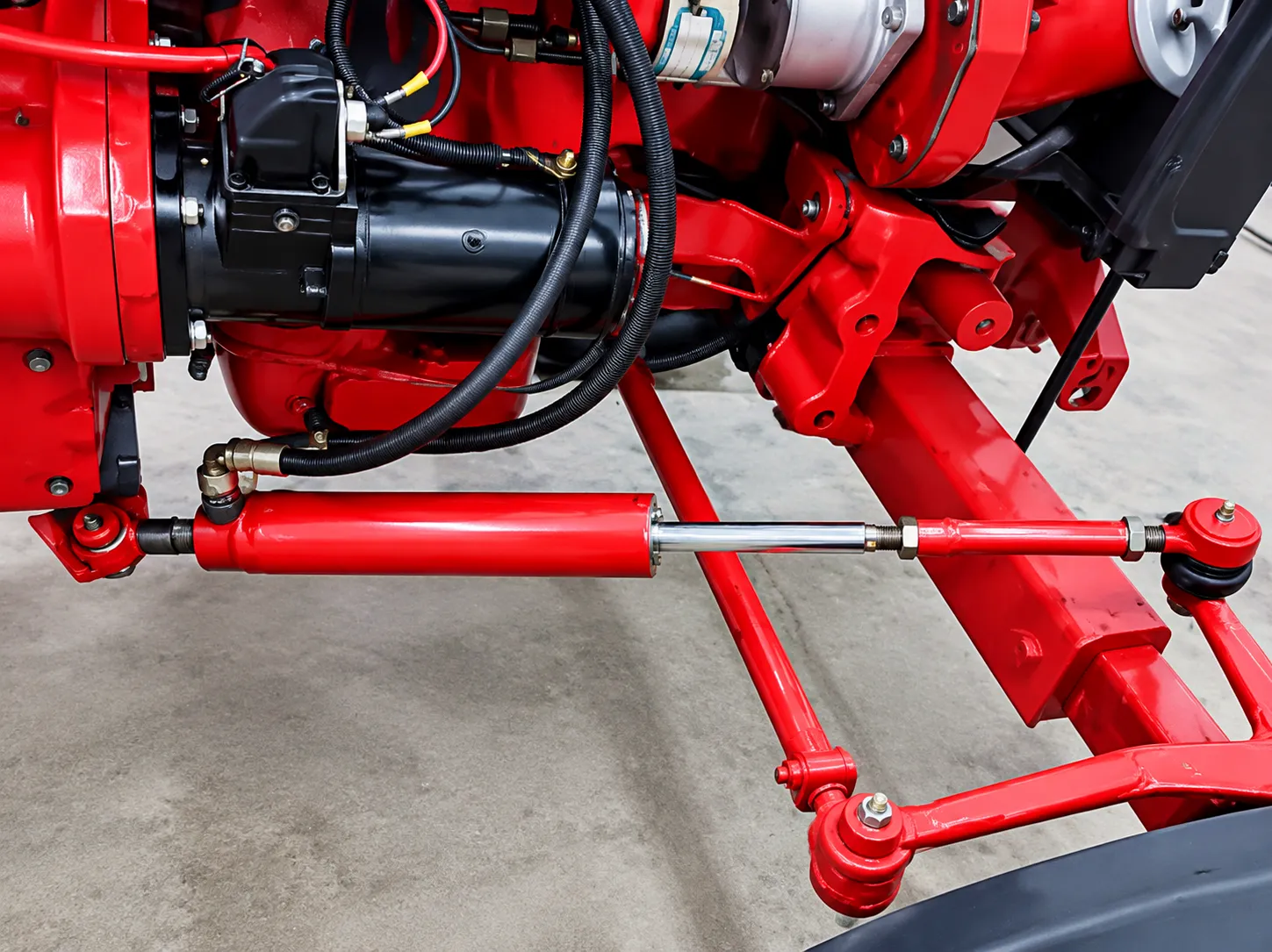
A mid-sized aggregates producer operating a fleet of twelve 35-tonne articulated dump trucks at a limestone quarry near Buxton, Derbyshire, contacted Ever Power in early 2024 following an escalating pattern of steering cylinder failures across their fleet. The machines — a mix of two different OEM models from different generations — had been experiencing premature rod seal failure between 600 and 900 operating hours, well short of the 2,000-hour interval the fleet manager considered the minimum acceptable standard for the site’s productivity targets.
An Ever Power application engineer reviewed sample cylinders returned from the failed units and identified a systematic mismatch between the OEM seal compound specification and the hydraulic oil grade the client had switched to 18 months earlier — a transition to a premium synthetic ester fluid that, while superior in most respects, had caused swelling and hardening in the original nitrile-based rod seals. The solution was a respecified seal pack using a polyurethane compound with a documented compatibility rating for ester-based hydraulic fluids, combined with a revised wiper ring geometry to account for the slightly higher viscosity of the new oil at winter operating temperatures.
Ever Power supplied 24 replacement steering cylinders — two per machine — with the revised seal specification and updated port fittings to accept the client’s existing BSP adapters without modification, and delivered all units to the quarry’s maintenance workshop in Buxton within 15 working days of drawing sign-off. Twelve months after the fleet-wide replacement, the client reported zero seal failures across the entire fleet, with the cylinders approaching 1,400 operating hours with no recorded leaks. The direct saving in unscheduled maintenance labour, hydraulic oil replenishment, and lost production during breakdown was calculated by the client’s plant manager at over £48,000 compared with the previous 12-month period.
What UK Customers Say About Ever Power Steering Cylinders
“We’ve been running the Ever Power cylinders through two full quarry seasons now — 18 months of hard limestone work — and haven’t had a single seal failure. The customisation process was surprisingly painless. Their engineer understood exactly what we needed from the first conversation, and the delivered units matched our hose routing and port configuration perfectly. The lead time was shorter than anything our local dealer could offer for OEM parts.”
Martin Houghton
Fleet Maintenance Manager, Limestone Aggregates Operation — Buxton, Derbyshire
“The pressure testing certificates and material traceability documentation that came with our order made the CHAS and procurement compliance process completely straightforward. On a public infrastructure contract, that paperwork matters as much as the component itself. The cylinders have now clocked over 2,000 hours without any issues across our three machines on the bypass earthworks — a result we genuinely didn’t expect given what we’d been getting from our previous supplier.”
James Farrell
Senior Plant Supervisor, Civil Engineering Contractor — Birmingham, West Midlands
“We operate in a particularly demanding environment — scrap yard haulage with significant thermal exposure — and we’d gone through three different cylinder suppliers in four years before finding Ever Power. The HVOF-coated rods have been transformative. We’re now seeing rod life more than double compared to standard chrome, and the corrosion performance in the acidic fume environment around our furnace bay is genuinely impressive. The quote turnaround was less than 24 hours and the pricing was competitive for a fully custom solution.”
Sandra Whitmore
Procurement Director, Steel Recycling and Processing Facility — Sheffield, South Yorkshire
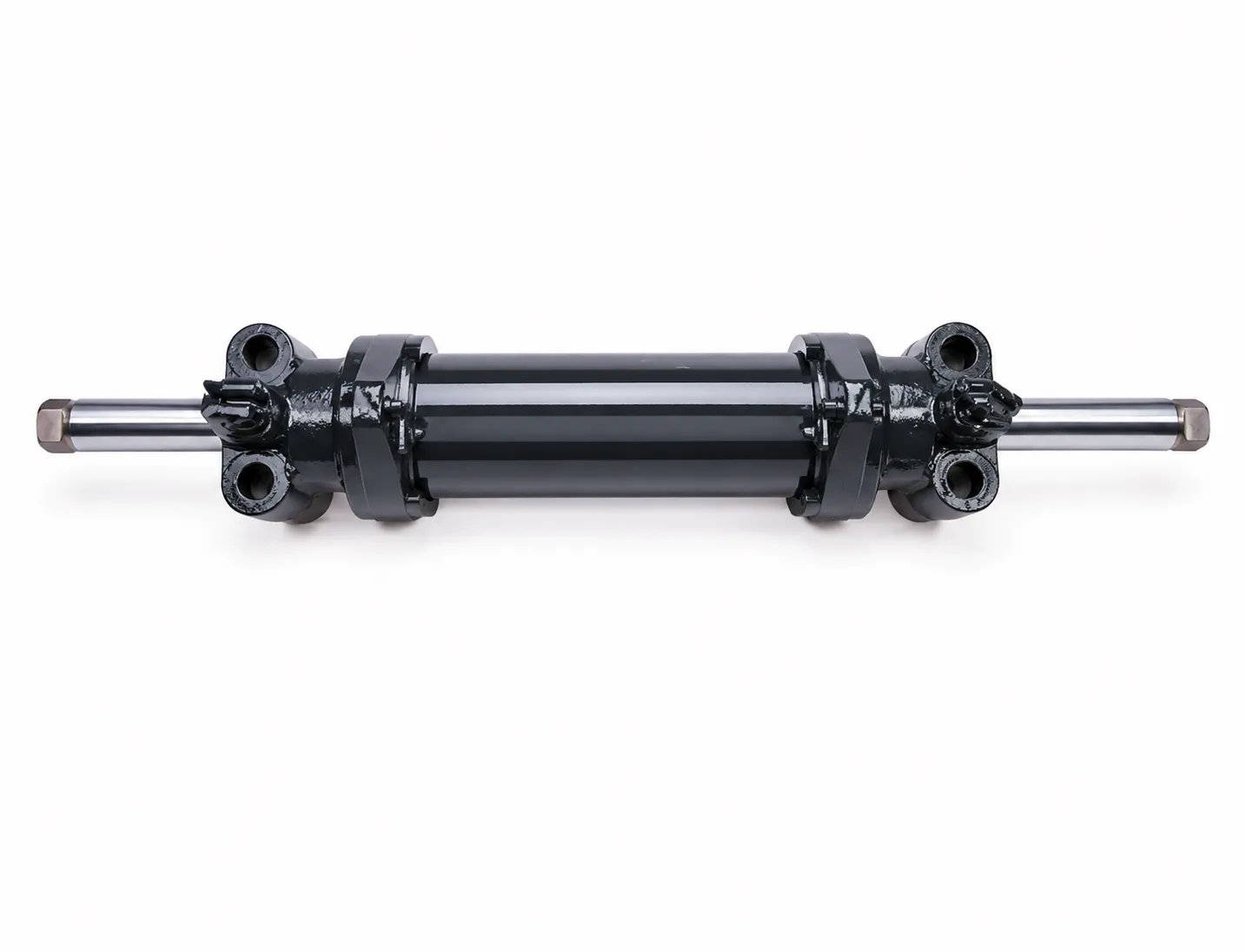
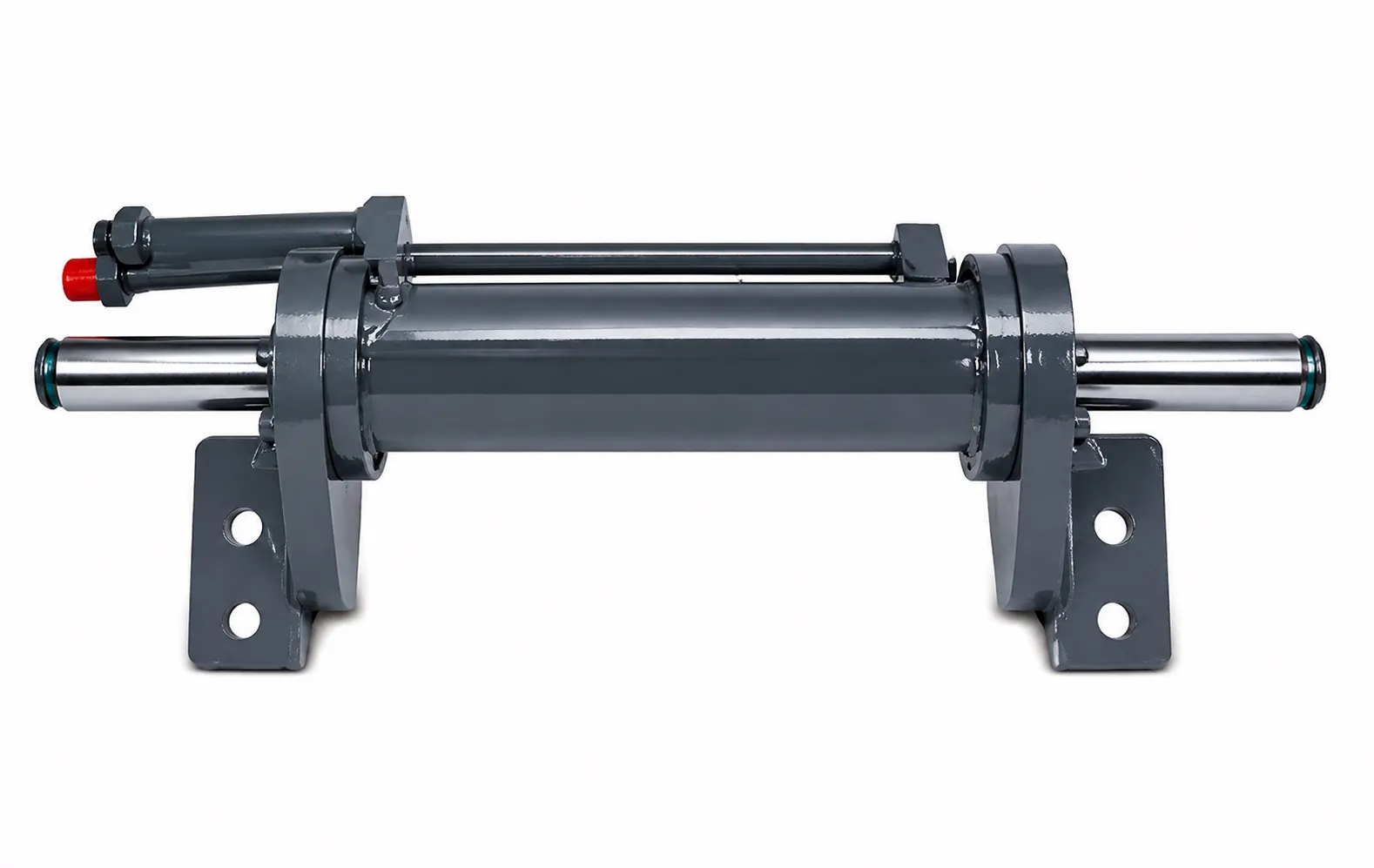
Ever Power Steering Cylinder — Product Gallery
Frequently Asked Questions — Steering Cylinders for ADTs
Questions from UK plant engineers, procurement managers, and fleet operators
Ever Power Industrial Hydraulics
Ready to Specify Your Steering Cylinder?
Send your specifications and our engineering team will respond with a detailed quotation and technical recommendation within one business day.
📧 Get a Quote — [email protected]
edit by gzl