
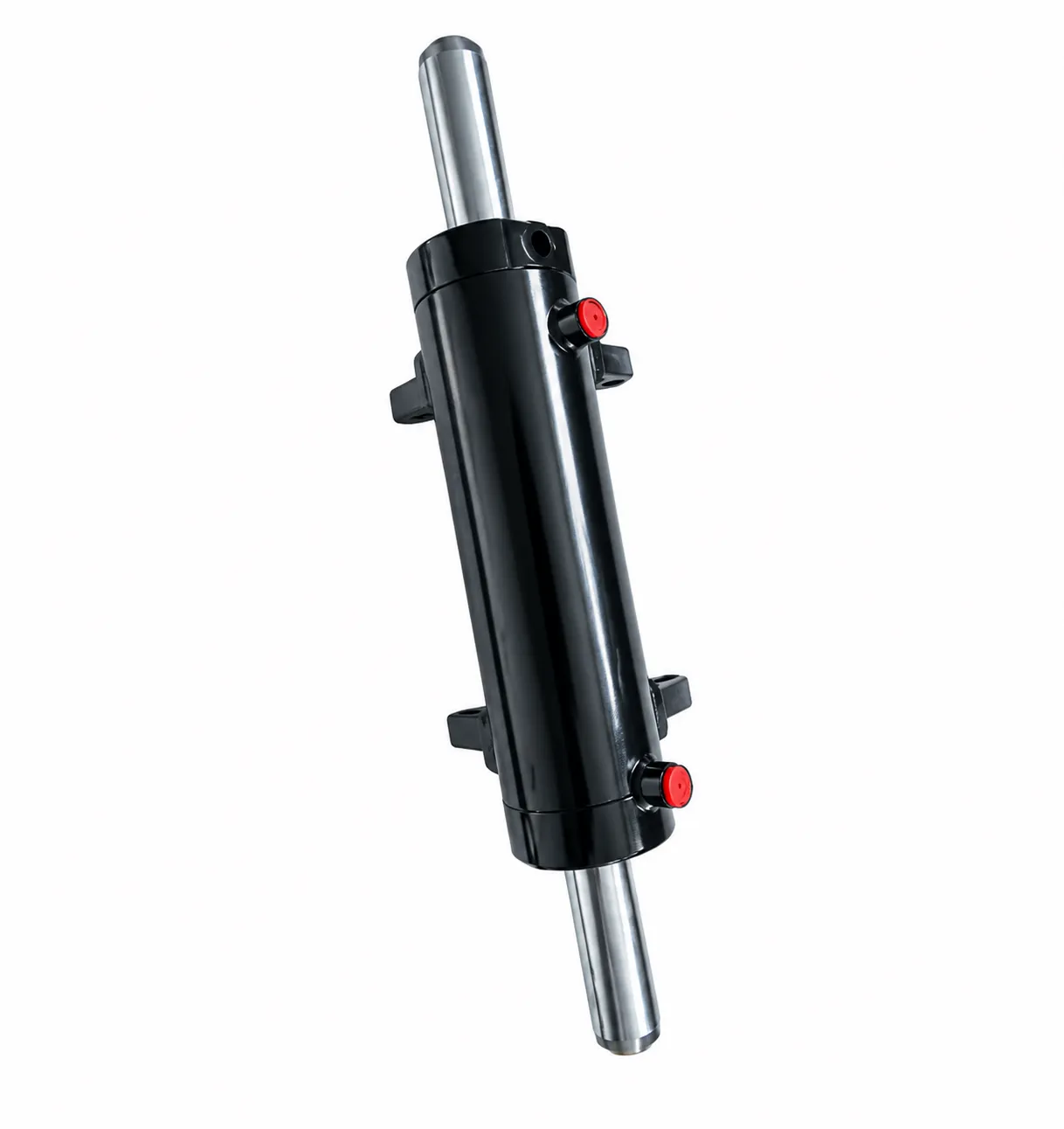
 Rebuilding a steering cylinder is only half the job. The commissioning stage — the controlled, methodical process of returning a repaired hydraulic cylinder to full operational duty — is where the real engineering discipline lies. Across the UK’s heavy manufacturing corridors, from the steel fabrication shops of Sheffield to the agricultural machinery yards of Lincolnshire and the port-handling depots of Southampton, poorly commissioned steering cylinders account for a significant share of premature seal failures and costly hydraulic system downtime. A seal replacement performed with precision in the workshop can be undermined in minutes if the cylinder is reinstalled carelessly, pressurised without bleeding, or put straight into full-load service without a structured break-in sequence.
This guide walks through every stage of the post-rebuild commissioning process for a steering cylinder, drawing on best practices used by professional hydraulic engineers across British industrial sites. Whether you are managing a fleet of agricultural vehicles near Birmingham, overseeing dock machinery in Liverpool, or running a precision machining operation in the East Midlands, the principles here apply directly. The goal is to help technicians, plant engineers, and procurement managers understand what a proper commissioning procedure looks like — and why skipping any step can compromise the integrity of even the best steering cylinder rebuild.
Why the Commissioning Stage Is as Critical as the Rebuild Itself
Even a meticulously rebuilt steering cylinder can be destroyed within hours if residual contamination from the old seals, metal debris from worn bore surfaces, or atmospheric moisture enters the hydraulic circuit during reinstallation. Commissioning protocols exist precisely to flush, bleed, and verify cleanliness before any load is applied.
Fresh seals — whether polyurethane, PTFE composite, or NBR — require a controlled break-in period to seat properly against the polished bore surface and piston rod. Immediate full-pressure operation places mechanical stress on seal lips before they have conformed to their mating surfaces, dramatically shortening service life and risking catastrophic leakage.
A recommissioned steering cylinder needs to demonstrate that it meets the original specification before being returned to service. This means verifying stroke accuracy, checking for internal and external leakage under static hold pressure, and confirming that the cylinder responds correctly at both ends of its operating range. Without this baseline check, there is no objective evidence that the rebuild was successful.
The Eight-Stage Commissioning Procedure for a Rebuilt Steering Cylinder
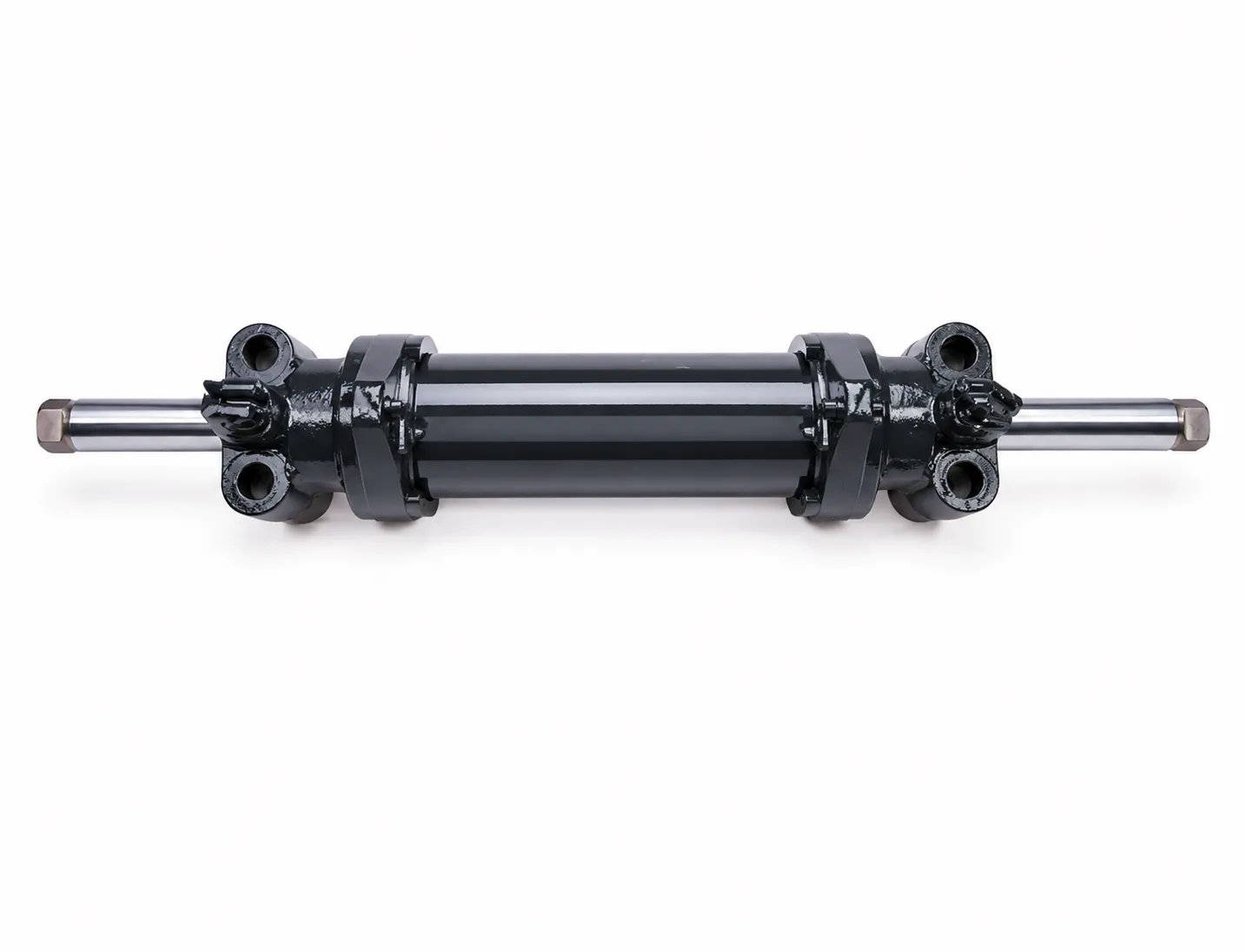 Before the rebuilt steering cylinder ever touches the machine, conduct a thorough visual and tactile inspection of every component. Check the piston rod for straightness using a dial gauge — any deviation beyond 0.05 mm per 300 mm of length is grounds for rejection. Inspect the bore surface under bright light for scoring, corrosion pitting, or chrome delamination that may have escaped the rebuild process. Verify that all seal grooves are clean, correctly dimensioned, and free from burrs that could cut into the new seal lips during initial cycling. Cap all ports with clean, correct-sized hydraulic port caps immediately after inspection and keep them in place until the cylinder is ready for connection.
Cleanliness at this stage cannot be overstated. The ISO 4406 cleanliness standard widely followed across UK hydraulic engineering specifies that hydraulic systems for steering applications should target a contamination class of 16/14/11 or better. Any steering cylinder returning to service after a rebuild should meet this standard before the first drop of fluid passes through it.
One of the most frequently skipped steps in field recommissioning is flushing the hydraulic circuit itself before the rebuilt steering cylinder is connected. The circuit lines, control valves, and actuator ports that fed the old, failing cylinder may contain degraded oil, seal fragments, metal particles, and sludge deposits. Connecting a fresh rebuild to a dirty circuit effectively recontaminates it immediately. Use a dedicated flushing rig with a fine-filtration element (3 micron absolute or better) and circulate clean, compatible hydraulic fluid through the circuit at low pressure for a minimum of 15 minutes, or until fluid samples taken at the return line meet the target cleanliness class.
In Birmingham’s automotive component manufacturing facilities, where steering cylinders are used in heavy press and transfer machinery, engineering teams typically follow a two-pass flushing cycle — first at low flow to mobilise deposits, then at higher turbulent flow to flush them through the filter. This approach, while adding time to the job, significantly reduces the rate of early post-rebuild failures and is considered standard practice in plants operating to ISO 9001 quality frameworks.
Misalignment is one of the leading causes of premature seal failure even in brand-new steering cylinders, and it becomes even more damaging after a rebuild because the new seals are particularly vulnerable during break-in. When remounting the rebuilt steering cylinder, verify that the cylinder body and rod end are in perfect linear alignment with the load path. Side loading — where the piston rod experiences lateral force during extension or retraction — accelerates wear on seal lips, wiper seals, and rod guides at a rate far exceeding the design assumption.
Use a precision alignment tool or laser alignment system where available. Confirm that all clevis pins, mounting brackets, and pivot points are in serviceable condition and that mounting fasteners are torqued to the manufacturer’s specification. Any play in the mounting hardware will translate into dynamic misalignment under load — something that new seals will absorb for a time, but at the cost of significantly reduced service life for your rebuilt steering cylinder.
With the cylinder connected and the circuit flushed, the next critical step is to bleed all air from the system before any pressure is applied. Air entrained in the hydraulic fluid causes cavitation — a destructive phenomenon where rapidly collapsing vapour bubbles generate localised pressure spikes intense enough to erode metal surfaces and cut seal lips. Loosen the port connections or bleed screws (where fitted) at the highest point of the cylinder and circuit, and slowly operate the cylinder through its full stroke several times at minimal pressure, allowing air to escape.
Once fluid flows steadily from the bleed points without air bubbles, retighten all connections and perform a series of no-load full-stroke cycles — typically a minimum of 10 complete extend and retract cycles. This serves the dual purpose of fully displacing any remaining air and beginning the break-in process for the new seals. Monitor the hydraulic reservoir level throughout this process and top up with clean, correctly specified fluid as needed. Do not rush this stage — it is the foundation upon which everything else rests.
After successful no-load cycling, begin graduated pressure loading. This is the structured process of introducing hydraulic pressure in increments, allowing the new seals to bed in progressively rather than experiencing sudden full-system pressure. A commonly used protocol in UK heavy industry starts at 25% of the rated working pressure, cycles the cylinder through full stroke five times, then steps up to 50%, then 75%, and finally 100% — with inspection and a five-minute hold at each pressure level before progressing. Some engineers add an additional step at 110% of rated working pressure for a static hold test, but this should only be done when the cylinder specification explicitly includes a 10% overload safety margin.
During each pressure stage, conduct a thorough visual inspection of all external seal points — particularly around the rod seal, the head gland, and any external port connections. Any sign of seepage at this stage indicates either a seal installation error or a surface finish problem that needs to be addressed before proceeding. Document the pressure readings, cycle counts, and inspection findings at each stage — this record becomes part of the cylinder’s maintenance history and provides invaluable evidence if a warranty issue arises later.
With the cylinder at its rated working pressure and the control valve in neutral (blocking flow), conduct a static hold test. Pressurise the extend side to rated pressure, close the valve, and monitor the pressure gauge for a minimum of five minutes. A properly rebuilt steering cylinder should show zero pressure decay over this period. Any measurable drop in pressure indicates internal bypass — fluid passing the piston seals from the high-pressure side to the low-pressure side. Similarly, test the retract side in the same manner. Record both test results with timestamps.
Internal bypass in a steering cylinder is particularly serious because it degrades steering responsiveness directly — the cylinder cannot hold its position under load, causing drift and unpredictable handling in vehicle applications, or positional error in industrial machinery. If bypass is detected at this stage, the cylinder must be removed and the rebuild inspected. Common causes include a piston seal lip that was rolled during installation, a seal dimension mismatch, or bore damage that was not fully assessed during the rebuild.
Once static tests are passed, the rebuilt steering cylinder can be tested under actual operating load conditions. Apply the expected working load — whether that is the weight of a loaded agricultural implement, the resistance of a heavy-duty steering mechanism, or the force requirements of an industrial actuator — and cycle through the full stroke range repeatedly. Observe the cylinder’s response time, smoothness of operation, and any signs of hesitation or stick-slip behaviour. Stick-slip — where the cylinder jerks through a portion of its stroke rather than moving smoothly — can indicate excessive seal compression from incorrect gland torque, or a surface finish on the piston rod that is rougher than specification.
In Sheffield’s steel processing facilities, where steering cylinders are used in rolling mill guides and transfer cars, dynamic testing is conducted over a minimum of 200 working cycles before a rebuilt cylinder is formally signed off. This extended test period captures any intermittent faults that might not appear in shorter testing, and gives the seals sufficient working time to fully conform to their mating surfaces. Record the hydraulic fluid temperature at the start and end of this test — an unusual temperature rise can indicate excessive internal bypass or higher-than-expected friction from a misaligned or over-tightened assembly.
The final stage of commissioning a rebuilt steering cylinder is documentation. This is not a bureaucratic formality — it is an engineering discipline. Record the cylinder serial number or identification, the date of rebuild, seal types and part numbers used, the date of commissioning, all test results and pressure readings, fluid type and cleanliness class, and the name of the engineer who conducted the commissioning. This record should be attached to the cylinder’s maintenance card and held for the life of the equipment.
Schedule the first post-commissioning inspection at a reduced interval compared to normal service — typically at 50% of the standard service interval. This early check-in allows any developing issues to be caught before they cause damage. Check for external leakage at all seal points, measure rod extension stroke accuracy against the baseline recorded during commissioning, and sample the hydraulic fluid for contamination analysis. If the cylinder passes this early inspection, it can be returned to the standard maintenance schedule. If problems are found, they can usually be addressed quickly and at low cost at this early stage.
Ever Power Steering Cylinder — Engineered for UK Industrial Applications
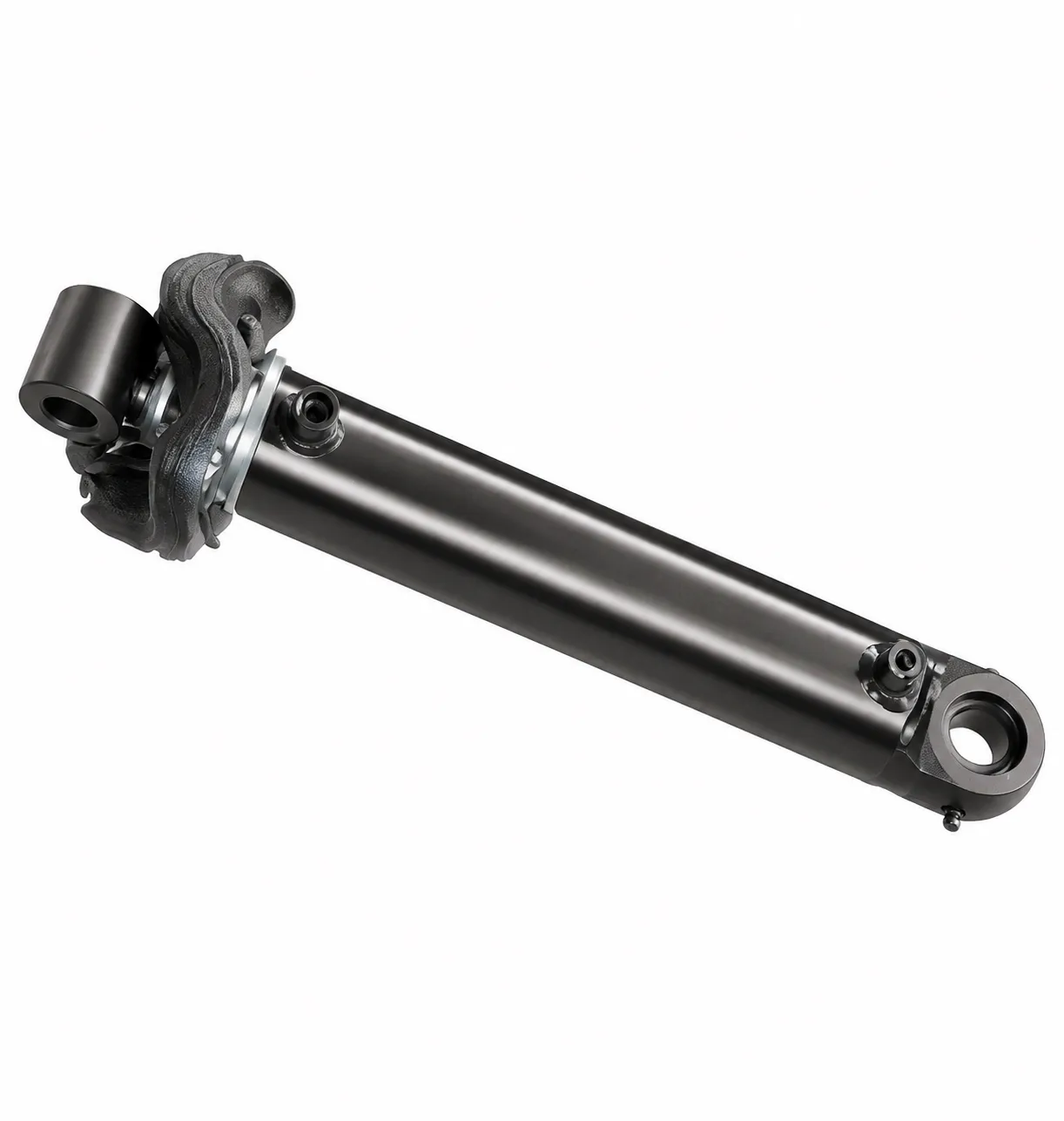
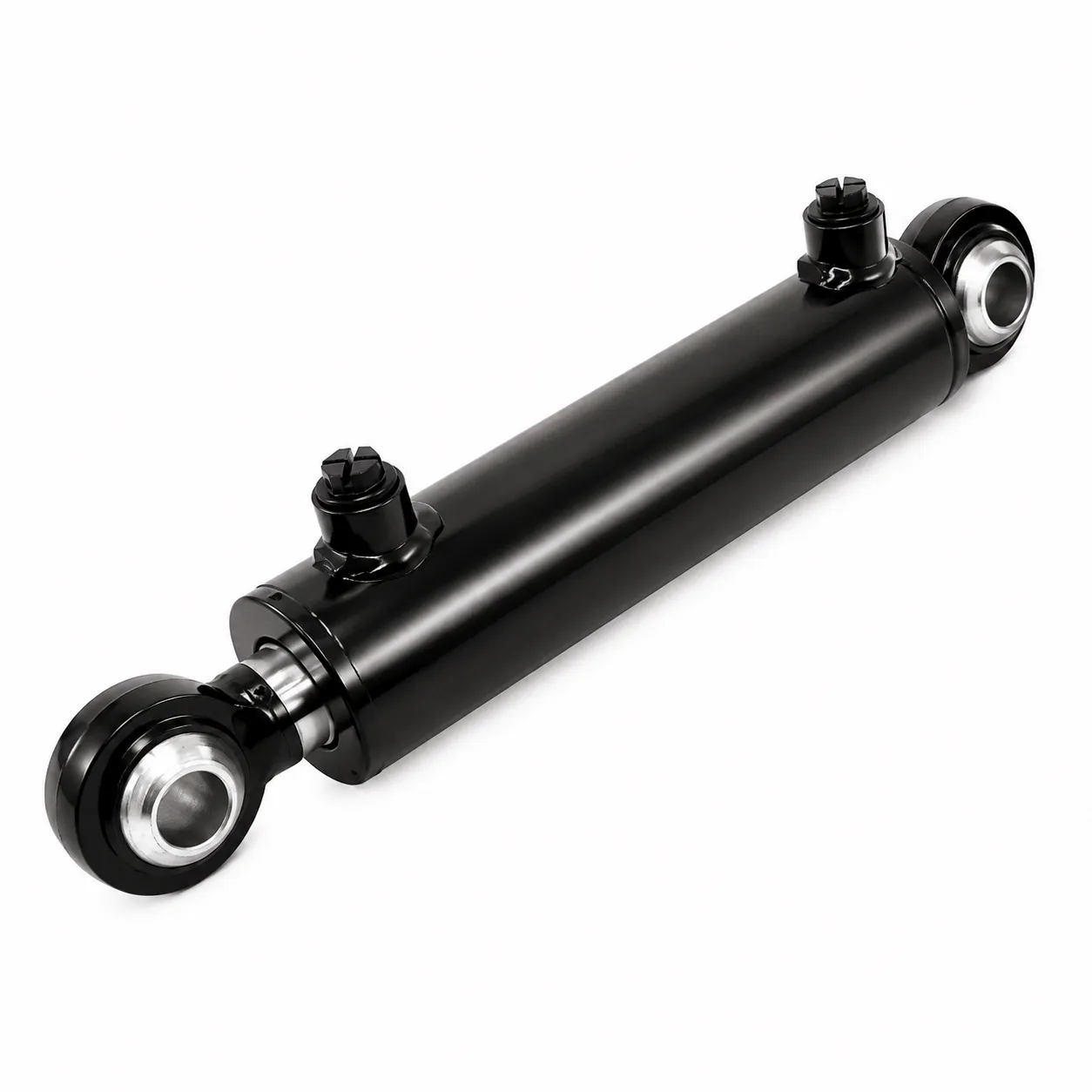
Steering Cylinder Technical & Performance Parameter Reference Table
The following parameters are representative of the Ever Power steering cylinder series. Custom configurations are available for specific bore diameters, stroke lengths, seal materials, and operating environments upon request.
| Parameter | Standard Range | Custom Option | Notes |
|---|---|---|---|
| Bore Diameter | 40 – 200 mm | 25 – 320 mm | Honed to Ra 0.4 µm |
| Piston Rod Diameter | 25 – 140 mm | Custom per bore ratio | Hard chrome or nickel plated |
| Stroke Length | 100 – 2,000 mm | Up to 4,000 mm | Multi-stage available |
| Working Pressure | Up to 25 MPa | Up to 35 MPa | Test pressure 1.5x rated |
| Piston Seal Material | Polyurethane (PU), NBR | PTFE, FKM, HNBR | Fluid & temperature matched |
| Cylinder Body Material | ST52 / E355 Steel | Stainless, Duplex SS | Corrosive environments |
| Operating Temperature | -20°C to +80°C | -40°C to +120°C | Seal compound dependent |
| Rod Surface Finish | Ra 0.2 – 0.4 µm | Ra 0.1 µm (precision) | Critical for seal life |
| Mounting Style | Clevis, Trunnion, Flange | Custom foot/pivot design | Per machinery interface |
| Leakage Class (new) | Class A (zero external) | Class A mandatory | ISO 6020/ISO 6022 |
| Surface Protection | Zinc phosphate + paint | Epoxy, powder coat, hot-dip | Salt spray 500+ hrs |
Industrial Application Scenarios for Steering Cylinders in UK Operations
Understanding where steering cylinders operate — and under what conditions — is essential context for anyone managing a recommissioning programme.
Steering cylinders are a core component in large-scale arable farming equipment across the East Midlands and Yorkshire. In four-wheel-drive tractors, self-propelled sprayers, and articulated grain carts, the steering cylinder translates hydraulic pressure into directional control across variable terrain. The seal replacement and recommissioning cycle for agricultural steering cylinders in this region typically coincides with the annual winter overhaul period, when equipment is off-hire and workshops have capacity.
Articulated dump trucks, motor graders, and wheel loaders operating on major infrastructure projects throughout Birmingham and the wider West Midlands rely on heavy-duty steering cylinders to handle the enormous directional forces generated at low speeds under full payload. The commissioning requirements for these applications are particularly stringent because steering failure on a loaded dump truck or grader presents a serious safety risk, and recommissioning standards must reflect that.
Container port reach stackers, heavy lift vehicles, and trailer-handling tractors at major UK ports including Southampton, Felixstowe, and Liverpool operate in one of the most demanding environments for steering cylinders — high cycle counts, near-continuous operation, variable loads, and exposure to salt air. Seal replacement cycles are shorter here than in most other sectors, and recommissioning protocols must account for the corrosive operating environment when selecting seal materials and surface protection.
Sheffield retains a substantial speciality steel and precision metals manufacturing base. Within these facilities, steering cylinders are employed in mill traverse actuators, coil handling cranes, and automated guided vehicle steering systems. Operating temperatures can be elevated due to proximity to processing equipment, which makes seal material selection during rebuilds particularly critical — and makes the post-rebuild commissioning test for temperature stability under load especially important.
Ever Power — Precision Manufacturing and Custom Steering Cylinder Solutions
Supplying UK industrial and agricultural customers with engineered hydraulic cylinder solutions since our establishment.
Get a Custom Quote from Ever Power →
Customer Success: Recommissioning Steering Cylinders for a Sheffield Special Steel Plant
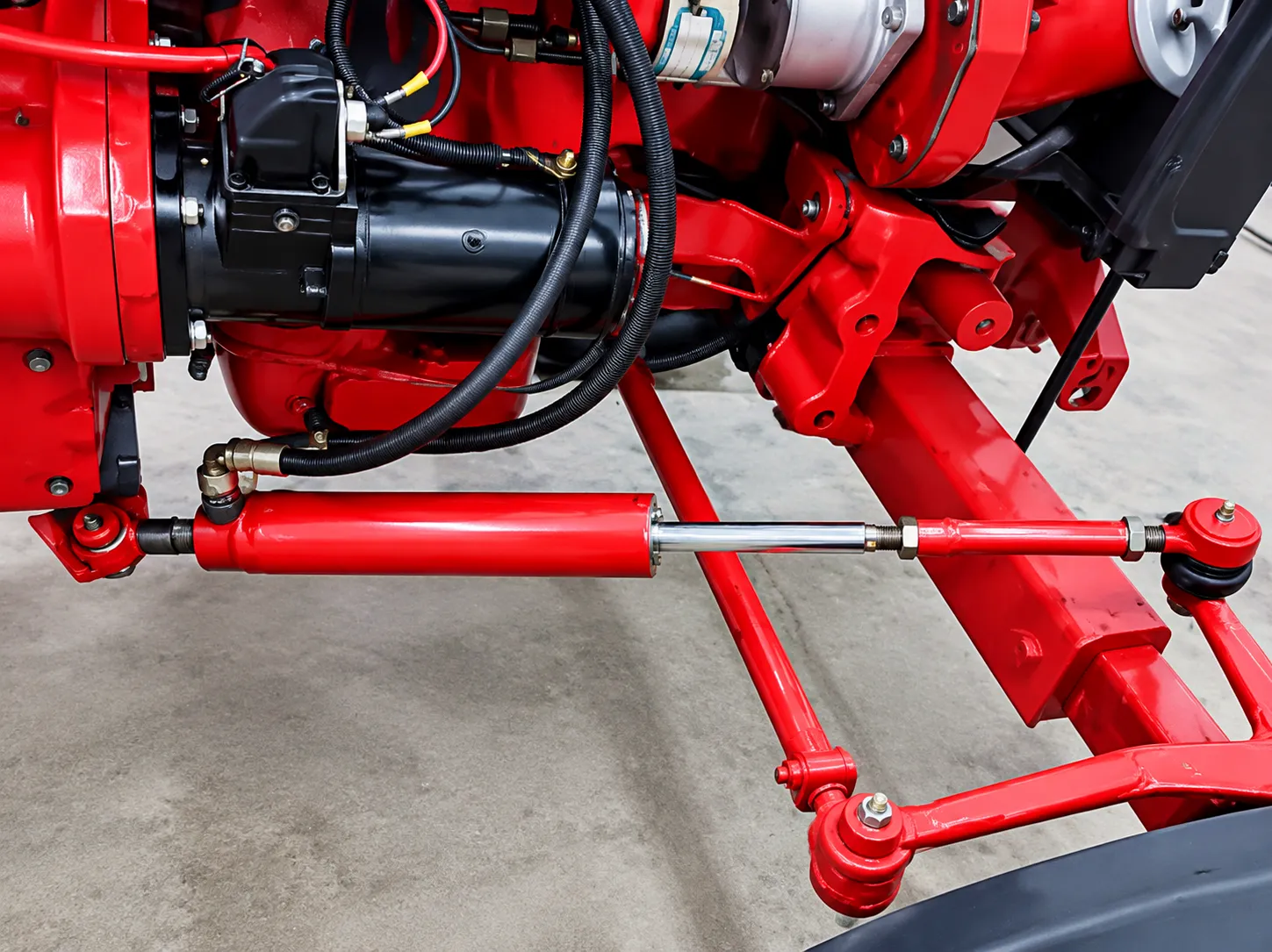 Meridian Steel Products operates a bar rolling mill in Sheffield’s Lower Don Valley, producing high-specification alloy steel bar for the aerospace and power generation sectors. Their automated transfer car system — which moves hot bar stock between the rolling line and cooling beds — relies on a pair of heavy-duty steering cylinders to navigate the car through a series of precision-timed directional changes. The cylinders must perform reliably at ambient temperatures up to 55°C due to proximity to the rolling equipment.
After an unplanned failure of the primary steering cylinder’s rod seals caused a production stoppage during a critical rolling campaign, Meridian’s plant engineering team contacted Ever Power. The challenge was threefold: the original cylinder manufacturer was no longer in business, replacement dimensions were non-standard, and the lead time for a standard supply chain solution was unacceptable. Ever Power’s technical team produced a fully cross-referenced replacement steering cylinder within 14 working days, specifying FKM seal compounds rated to 120°C to eliminate the seal degradation that had caused the original failure.
Ever Power also provided a full commissioning specification sheet tailored to Meridian’s control system parameters — including recommended break-in cycle counts and hold-pressure test protocol — which the plant’s hydraulic engineers followed precisely. The rebuilt system returned to full production service after a single shift commissioning day and has operated without incident through two subsequent rolling campaigns.
“The FKM seal specification that Ever Power recommended for our high-temperature environment was exactly right — we had struggled with seal degradation for over two years using standard NBR. The commissioning documentation they provided was genuinely useful, not boilerplate — it matched our specific system pressure ratings and gave our engineers clear pass/fail criteria for each test stage.”
“We had an obsolete cylinder with no documentation — no bore dimensions, no seal specs, nothing. Ever Power reverse-engineered the entire unit, produced a replacement steering cylinder with upgraded bore finish, and delivered it with a full materials pack within three weeks. The static hold test it passed was better than the original ever managed. We’re sourcing all our replacement cylinders through them now.”
“The 14-day lead time on a custom, non-standard cylinder was remarkable. We had expected to wait eight weeks minimum through our usual supply chain. Ever Power’s technical team engaged directly with our engineers on the phone to clarify the application, and the result was a cylinder that fit perfectly first time and performed exactly as specified through commissioning. The pricing was also very competitive for the specification involved.”
Six Common Commissioning Errors That Shorten Seal Life
Connecting a rebuilt steering cylinder to an unflushed circuit reintroduces the contamination that caused the original seal failure. New seals last significantly longer when the circuit meets ISO 4406 cleanliness standards at the point of reconnection.
Bringing a rebuilt steering cylinder straight to full working pressure without graduated break-in subjects new seal lips to maximum stress before they have conformed to bore and rod surfaces, causing early micro-damage that becomes a rapid-failure pathway.
Residual air in the circuit generates cavitation events that can damage seal lips and rod surfaces within the first hours of operation. Full bleeding at every high point in the circuit — not just the cylinder ports — is essential.
Lateral loading on a steering cylinder rod produces asymmetric seal wear and accelerated rod guide degradation. Alignment should be verified with measurement tools, not assumed to be correct because “it fit last time.”
Using a hydraulic fluid with incorrect viscosity grade or an additive package incompatible with the seal material causes chemical attack or inadequate lubrication. Always verify fluid compatibility against the seal compound used in the rebuild before commissioning.
Without documented commissioning test results, there is no baseline for future comparison. The next time the steering cylinder shows symptoms, engineers are diagnosing in the dark. A commissioning record is the cylinder’s birth certificate — it should follow the unit throughout its service life.
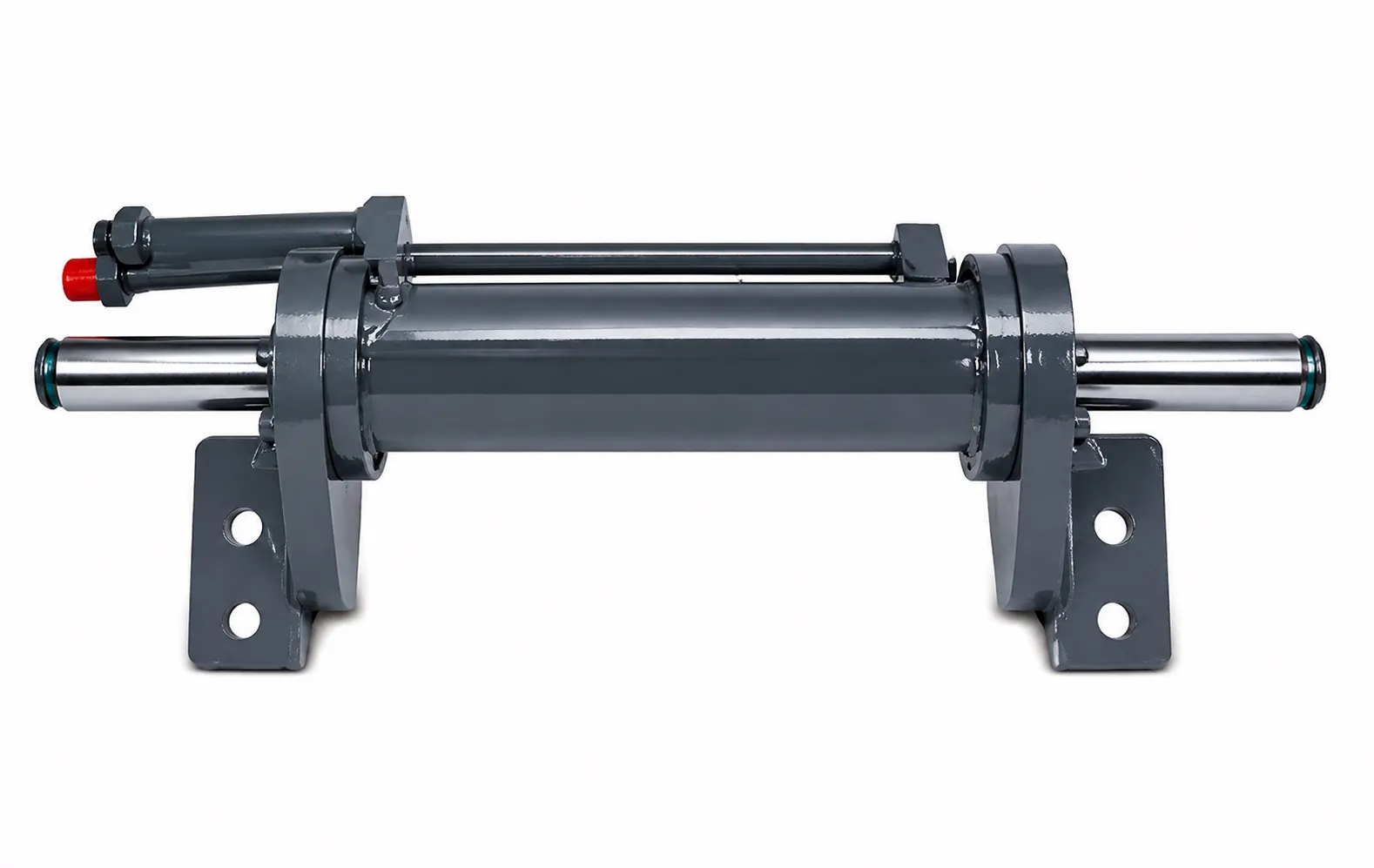
Ready to Source a Replacement Steering Cylinder or Custom Seal Kit?
Whether you are planning a scheduled overhaul, managing an emergency breakdown, or specifying a fleet-wide seal replacement programme, Ever Power’s engineering team is available to discuss your exact requirements. We supply steering cylinders and seal kits to UK customers with full technical documentation, short lead times, and competitive pricing that reflects our direct-from-factory supply chain.
Send us your cylinder dimensions, operating parameters, and quantity requirements — our engineers will respond with a detailed technical and commercial proposal within one business day.
Frequently Asked Questions — Steering Cylinder Commissioning
Questions we regularly hear from UK hydraulic engineers, plant managers, and procurement teams.