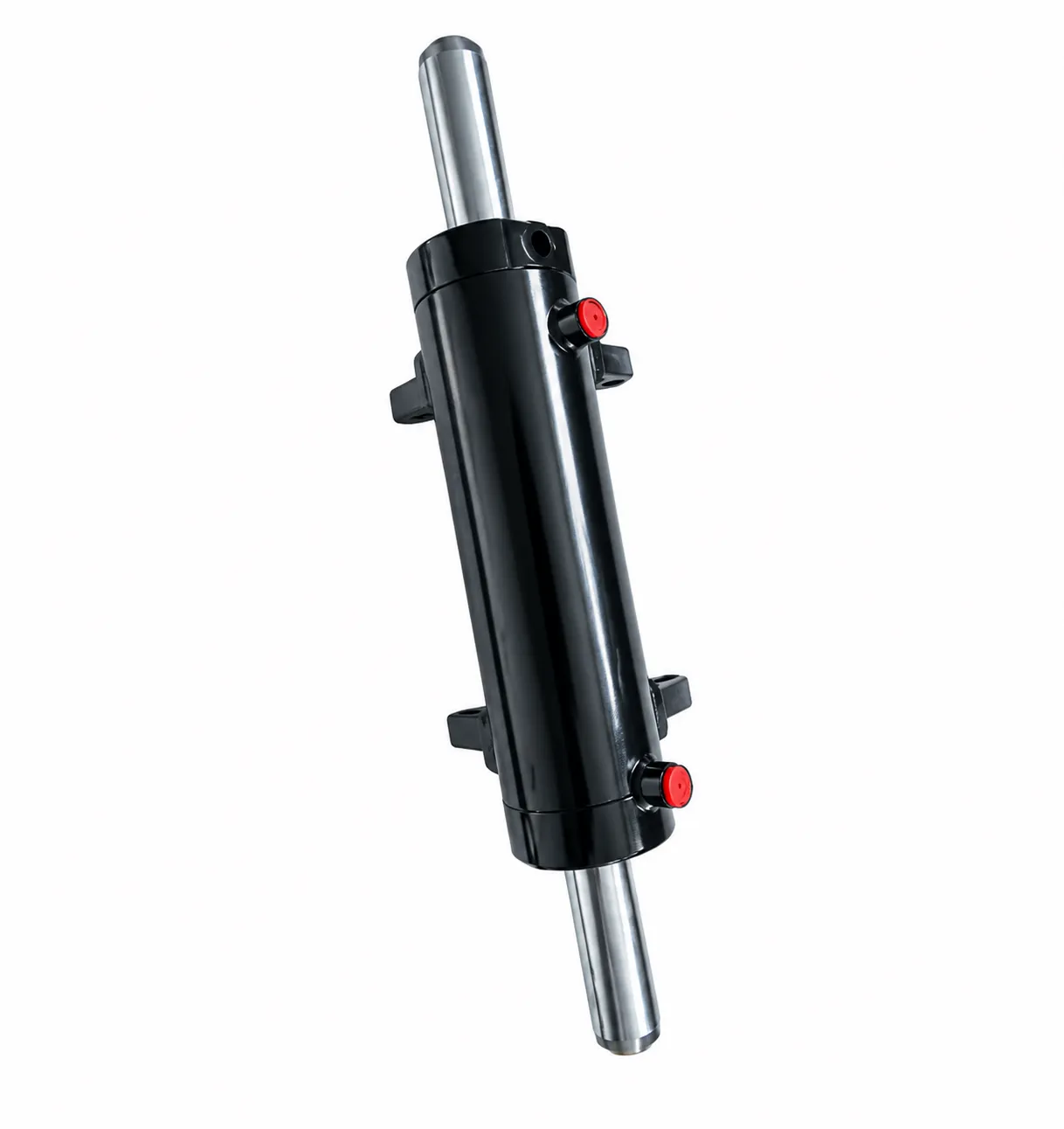
 When a hydraulic steering circuit fails under load, the engineering post-mortem almost always traces back to one decision made early in the design phase: cylinder bore diameter. It sounds straightforward — bigger bore, more force — but the reality is considerably more nuanced. Bore sizing sits at the intersection of fluid dynamics, mechanical stress analysis, vehicle packaging constraints, and system pressure budgets. Get it wrong and you face either an undersized actuator that struggles in cold weather or at full lock, or an oversized cylinder that wastes energy, slows response, and adds unnecessary mass to a mobile machine. For UK manufacturers supplying agriculture, construction plant, and specialist vehicles, the margin for error has never been thinner.
How a Steering Cylinder Converts Pressure into Directional Force
▶ Pascal’s Law at the Core
A steering cylinder is fundamentally a linear actuator governed by Pascal’s Law: pressure applied to an enclosed fluid transmits uniformly in all directions. The output force (F) is the product of working pressure (P) in bar and the effective piston area (A) in cm². Expressed plainly: F = P × A. For a double-acting steering cylinder, the extend side has a larger effective area — the full bore area — while the retract side is reduced by the cross-sectional area of the piston rod. This asymmetry matters significantly in rack-and-pinion or front-axle steering geometries where the steer forces differ between left and right lock. Engineers working on articulated machines, such as compact wheeled loaders assembled in Midlands fabrication shops, must account for this imbalance or risk sluggish return steering under high side-loading.
▶ Bore Diameter and Area Scaling
Because piston area scales with the square of bore diameter (A = π × d² / 4), even modest changes in bore size produce substantial changes in force output. Moving from a 63 mm bore to a 80 mm bore — a 27% increase in diameter — produces a 63% increase in piston area. This non-linear relationship means that engineers who rely on intuition rather than calculation consistently over-specify bore sizes, driving up material cost, oil volume per cycle, and hydraulic pump flow demand. The practical implication for a UK manufacturer trying to meet efficiency targets under current ISO 12100 machinery directive guidance is clear: rigorous calculation, not conservative guesswork, is the only defensible engineering approach when sizing a steering cylinder bore for a new or updated machine.
▶ Flow Rate and Steering Response Speed
Bore diameter also governs the volumetric demand of the cylinder. A larger bore requires more oil per unit of stroke, which directly determines how quickly the steering axis traverses from lock to lock. The relationship is: Q = A × v, where Q is flow rate in litres per minute and v is the desired piston velocity. For machines subject to BS EN ISO 5010 (wheeled tractors) or equivalent construction equipment standards referenced by UK type-approval authorities, lock-to-lock time limits are often mandated. Exceeding these limits with an oversized bore — without a correspondingly uprated pump — produces dangerously slow steering, particularly at low engine speeds in field conditions typical of British farms in Somerset or the East Anglian arable belt.
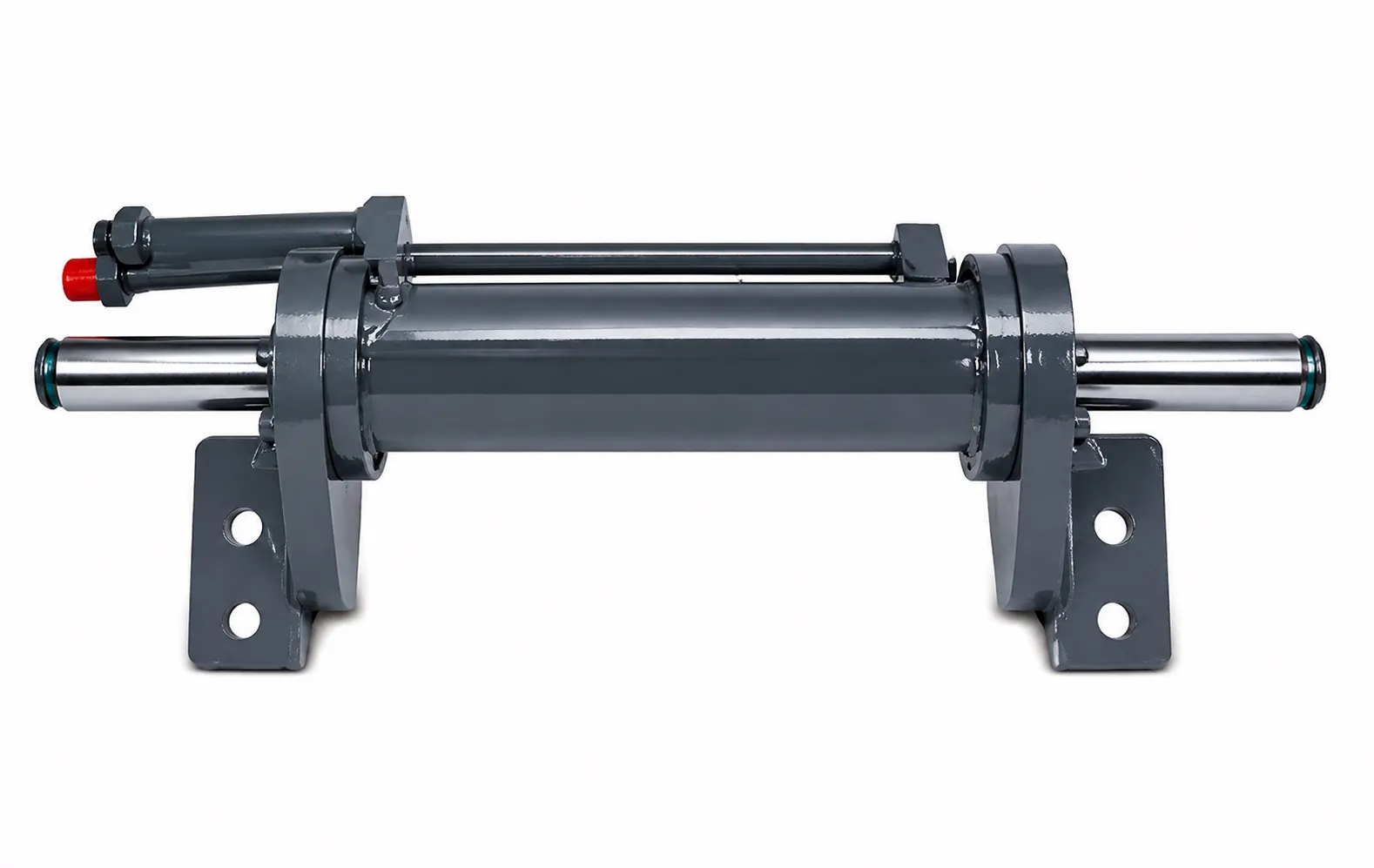
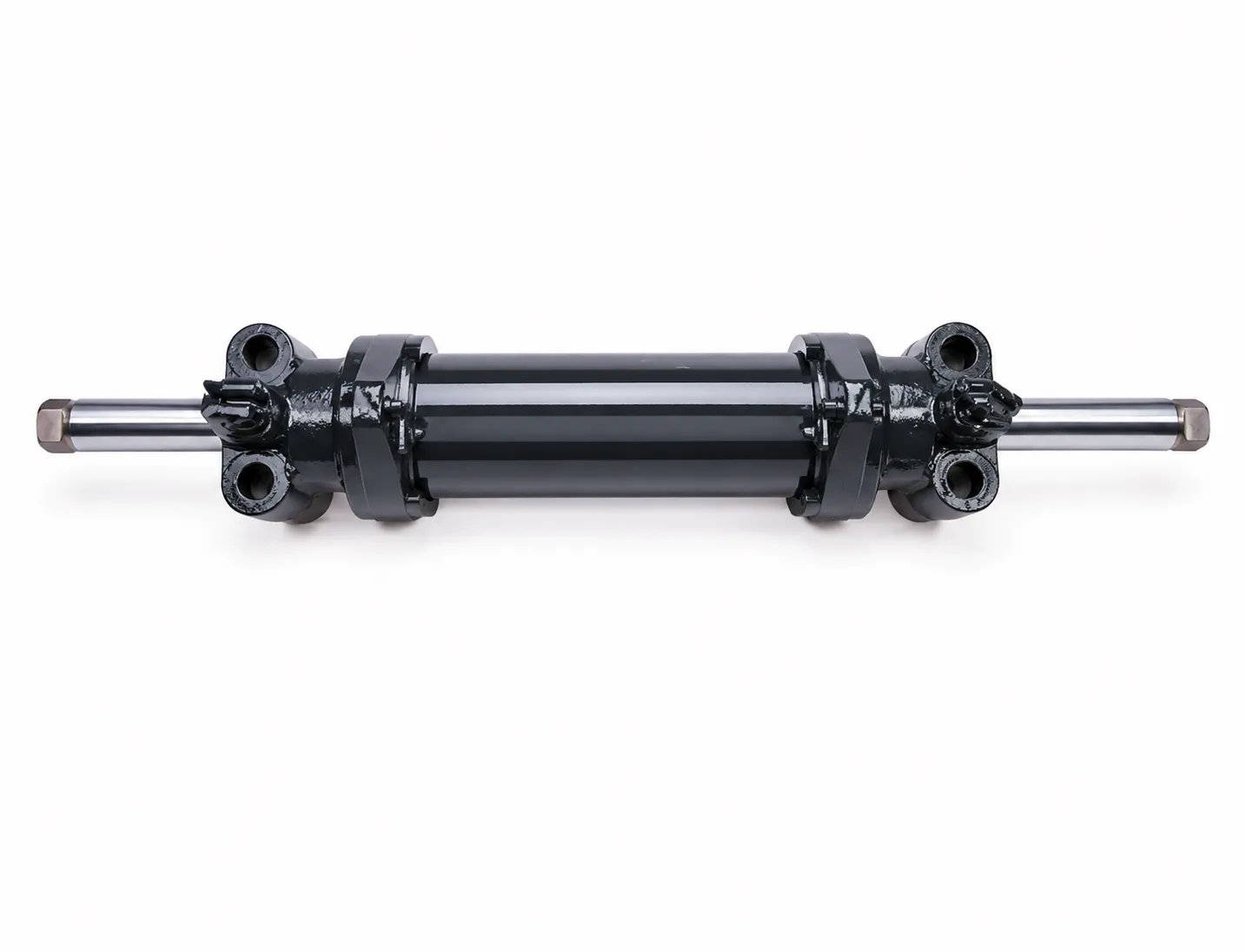
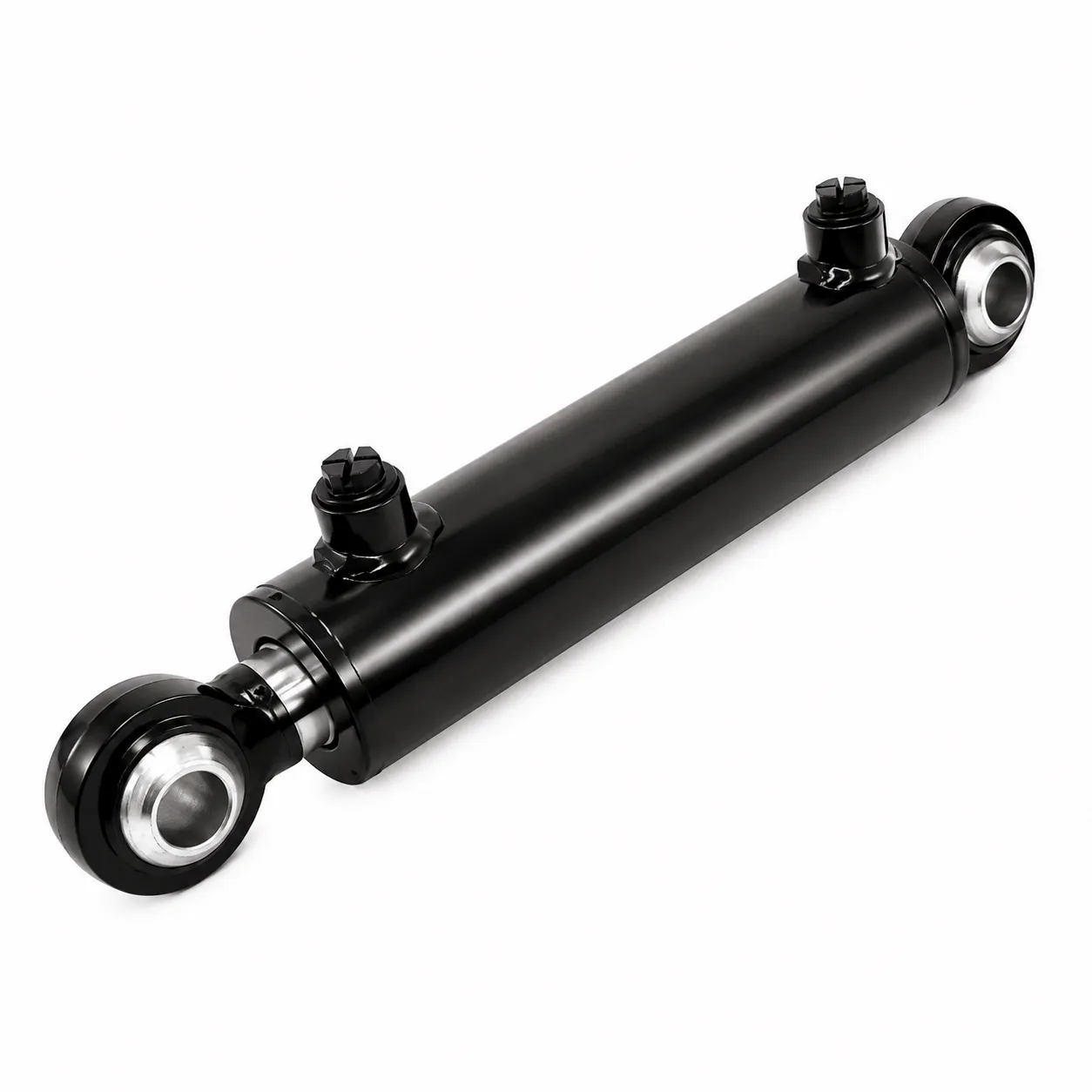
Core Materials in Precision Steering Cylinder Manufacturing
The bore surface is where most of the engineering action happens — and material selection here determines seal life, internal leakage rates, corrosion resistance, and ultimately the service intervals that end-users experience in the field. Cheap cylinder tubes with poor bore surface quality will destroy seals rapidly, generate contaminated fluid, and create warranty liabilities that cost far more than the saving on raw material. At Ever Power, every steering cylinder tube is produced to a defined material specification with full traceability from mill certificate to finished component dispatch.
Cold-Drawn Seamless Steel Tube (ST52 / E355)
The industry standard for hydraulic cylinder barrels, ST52 (DIN EN 10305-4) delivers a tensile strength of 520–680 MPa with a minimum yield of 355 MPa. Seamless manufacture eliminates the longitudinal weld seam — the single most common failure initiation point in welded alternatives. The cold-drawing process produces a bore surface with Ra values below 0.8 µm before final honing, which is critical for achieving reliable sealing performance across the full temperature range encountered on UK outdoor machinery, from winter frost in the Scottish Highlands to summer heat stress on East Anglian arable fields.
Chrome-Plated Piston Rod Steel (CK45 / 42CrMo4)
Piston rods for steering cylinders are ground and hard-chrome plated to achieve surface hardness of 800–1000 HV and a surface roughness of Ra 0.2–0.4 µm. This combination resists the side-loading that steering geometry imposes on the rod during full-lock manoeuvres. In salt-spray environments — relevant for coastal plant operating around UK ports such as Grimsby, Immingham, and Felixstowe — decorative chrome is insufficient; Ever Power specifies additional sealing lip protection and offers ceramic chrome or HVOF tungsten carbide coatings for severe-duty variants. Rod diameter selection interacts directly with bore sizing: the rod-to-bore ratio must stay within 0.5–0.7 to maintain structural rigidity without excessively reducing the annular area on the retract side.
Engineered Seal Compounds (PTFE / Polyurethane / NBR)
Seal selection is inseparable from bore sizing because the seal land geometry — the groove width and depth machined into the piston — must match the chosen bore precisely. PTFE-filled composite seals are used where low break-out friction is essential for sensitive steering feel; polyurethane lip seals provide best-in-class resistance to dynamic extrusion under high-pressure peaks common in load-sensing systems; and NBR O-ring secondary seals offer cost-effective static sealing. Ever Power engineers specify the seal package alongside bore diameter at the design stage, ensuring that the bore tolerance band (typically H8 for honed cylinders) and seal interference are matched to the operating duty cycle rather than selected from a generic catalogue.
Precision-bored tilt cylinders engineered for mast stability and repeatable tilt arc under full rated load. View specifications and request a custom bore quotation.
Double-acting steering cylinders built to DIN 3860 standards, available in bore sizes 40–160 mm with custom stroke and port configurations. Ideal for warehouse and logistics applications across UK distribution centres.
Engineering Advantages of Correct Bore Specification
Under-specification and over-specification of bore diameter carry different failure modes, but both degrade system performance in ways that manifest as field complaints, warranty claims, and in worst cases, safety incidents that trigger RIDDOR reporting obligations for UK employers. The following advantages apply when bore sizing is executed correctly from the outset of the design project.
Optimal Force Efficiency
A correctly sized bore generates the required steering force at the lowest viable operating pressure. Lower pressure means reduced thermal load on the hydraulic fluid, longer seal life, and less mechanical stress on pump components — all of which translate directly into lower whole-life cost for fleet operators. Logistics companies running large articulated vehicles across UK motorway networks particularly benefit from predictable maintenance intervals derived from accurate bore sizing.
Precise Steering Response
Steering feel — the tactile feedback an operator receives through the wheel or joystick — is a direct function of volumetric efficiency, which is itself linked to bore sizing accuracy. When bore diameter matches the flow available from the hydraulic source, metering at the steering valve produces linear, predictable actuator movement. Operators of specialist municipal vehicles, such as those servicing street cleaning contracts in Birmingham or Edinburgh, cite poor steering feel as a significant driver of operator fatigue and accident risk over a working shift.
Extended Component Service Life
Running a steering cylinder at a fraction of its rated bore capacity generates cavitation risk on the rod side, whilst oversizing leads to pressure spikes as relief valves cycle unnecessarily. Both conditions accelerate seal degradation and internal surface wear. By specifying the bore at 80–90% of the calculated maximum working load — the recommended design margin — manufacturers build in capacity headroom for peak demand without entering the zone of chronic over-pressure. This approach, consistently applied by Ever Power engineers, routinely delivers steering cylinders with service intervals exceeding 5,000 operating hours in UK agricultural and construction environments.
Package Efficiency and Weight Saving
Correct bore sizing keeps the cylinder envelope as compact as the load demands. For machines that operate under UK axle weight regulations — where even a 50 kg overrun can trigger DVSA enforcement action — every kilogram of unnecessary cylinder mass represents a real operating constraint. Bore optimisation, combined with high-strength tube materials that allow thinner walls at equivalent pressure ratings, delivers steering cylinders that are simultaneously lighter and stronger than conservatively sized alternatives. This is of particular relevance to UK van conversion specialists and emergency vehicle builders in the West Midlands and Yorkshire.
Product Technical and Performance Parameters
The table below summarises the standard technical parameters across Ever Power’s steering cylinder range. All figures represent tested performance data from our manufacturing facility, verified against third-party laboratory reports. Custom bore and stroke configurations are available outside these ranges — contact our technical sales team to discuss your specific application requirements.
| Parameter | Light Duty | Standard Duty | Heavy Duty | Custom / OEM |
|---|---|---|---|---|
| Bore Diameter | 40–63 mm | 63–100 mm | 100–160 mm | Any (on request) |
| Rated Pressure | up to 160 bar | up to 210 bar | up to 280 bar | Up to 350 bar |
| Stroke Range | 50–300 mm | 100–600 mm | 200–1,000 mm | Unlimited |
| Tube Material | E355 cold-drawn | E355 seamless | 42CrMo4 alloy | Stainless / Duplex |
| Bore Surface Finish (Ra) | 0.6–0.8 µm | 0.4–0.6 µm | 0.2–0.4 µm | To drawing spec |
| Rod Diameter Range | 22–40 mm | 36–70 mm | 60–120 mm | Any (on request) |
| Operating Temperature | -20 °C to +80 °C | -30 °C to +100 °C | -40 °C to +120 °C | As designed |
| Seal Package | NBR standard | PU / PTFE | Composite high-P | FKM / custom |
| Certification | ISO 9001 | ISO 9001 + CE | ISO 9001 + CE + ATEX | UKCA available |
Industrial Application Scenarios Across UK Heavy Industry
Agricultural Machinery — Tractor and Combine Steering, East Anglia
Large-bore steering cylinders (80–120 mm) are standard on modern UK tractors, where rear-axle steerable variants are increasingly common on high-horsepower machines used across the arable farms of Norfolk, Cambridgeshire, and Lincolnshire. Bore sizing in this segment is complicated by the need to accommodate both high static loads during headland turns on wet soils and sustained dynamic loads during GPS-guided precision passes. Ever Power supplies replacement and OEM steering cylinders to several UK agricultural OEM assemblers and aftermarket distributors supplying the fenland region.
Articulated Construction Plant — Wheeled Loaders and Dumpers, West Midlands
Articulated steering — where a centre-pivot hinge is actuated by a pair of hydraulic cylinders in a push-pull arrangement — is the dominant design in wheeled loaders from 2 to 20 tonne capacity. Bore sizing here must account for the geometry of the articulation point: as the machine steers, the moment arm changes, which means the cylinder must exert varying force across its stroke to produce a consistent turning rate. Manufacturers in the West Midlands and Staffordshire building compact plant equipment regularly bring Ever Power in at the design review stage to validate bore selection against articulation geometry models.
Forestry Equipment — Forwarders and Harvesters, Scotland
Scotland’s commercial forestry sector — concentrated in Dumfries and Galloway, the Borders, and Argyll — operates some of the most demanding ground conditions for steering systems anywhere in Britain. Soft, uneven terrain imposes unpredictable side-loads through the steering cylinder rod during travel between coupes. For forwarder and harvester OEMs in this space, Ever Power recommends heavy-duty bore specifications with reinforced rod end eyes, corrosion-resistant coatings, and extended wiper seals that cope with the particulate-laden environment of a conifer felling site. Bore sizes in the 100–140 mm range with pressure ratings up to 280 bar are standard in this application.
Municipal and Specialist Vehicles — Refuse Collectors, Sheffield and Leeds
Refuse collection vehicles, road sweepers, and gulley suction tankers operating for local authorities across South Yorkshire’s urban centres — Sheffield, Rotherham, Barnsley, and Doncaster — accumulate enormous steering cycle counts over their service lives. A typical refuse vehicle performs between 600 and 900 steering inputs per shift, meaning that seal and bore wear rates are primary cost drivers. For this application, Ever Power specifies intermediate bore sizes (63–80 mm) with chrome-ceramic rod coatings and high-cycle polyurethane seal packages, producing steering cylinders with service intervals of 3,000 hours before the first inspection is required.
Port and Material Handling — Reach Stackers and Terminal Tractors, Felixstowe
Container handling equipment operating at UK ports — Felixstowe, Southampton, and Tilbury — experiences continuous-duty steering cycles under maximum payload. Reach stackers in particular impose severe cornering loads on their rear-axle steering cylinders as they navigate between container stacks at low speed. Bore sizing for this application demands not only the correct force envelope but also a contamination-resistant design that performs reliably in the salt-air and fuel-contaminated atmosphere of a busy container terminal. Ever Power’s port-duty steering cylinders are built to BS EN ISO 4413 (hydraulic fluid power safety requirements) and are available with stainless steel rod guides and FKM seal compounds.
Ever Power: Precision Manufacturing and Custom Bore Engineering
Ever Power operates a vertically integrated manufacturing facility purpose-built for hydraulic cylinder production, with a specific focus on steering cylinder applications across mobile machinery, industrial equipment, and specialist vehicle markets. Our CNC deep-hole boring and honing lines hold bore diameter tolerances to H8 (typically ±0.03 mm at 80 mm bore), and our surface finish measurement stations verify Ra values on every production tube before it proceeds to assembly. This is not a claim made for marketing purposes — we issue a full dimensional report with every shipment, allowing UK OEM customers to verify incoming quality without reinspecting component dimensions themselves.
Our customisation capabilities extend well beyond non-standard bore diameters. Ever Power regularly manufactures steering cylinders with: integrated position sensors for closed-loop control systems; non-standard port locations and thread forms to match existing manifold designs; combined clevis and cross-tube mounting arrangements for constrained installation envelopes; and bi-directional cushioning for high-cycle applications where hard end-stop impacts would otherwise cause fatigue cracking at the tube-end weld. Delivery lead times for standard configurations are 3–5 weeks ex-works; custom drawings are reviewed within 48 hours and prototype lead times of 6–8 weeks can be accommodated for UK customers requiring rapid development support.
Ready to Specify Your Steering Cylinder Bore?
Send your application data — machine type, required force, stroke, operating pressure, and installation constraints — to the Ever Power technical team. We will return a bore recommendation with supporting calculations within one working day.
🎯 Manufacturing Capabilities at a Glance
Supply Chain Reliability for UK OEMs
Ever Power maintains buffer stock of the 15 most commonly requested bore-stroke combinations for UK customers, enabling rapid despatch via DHL Express or sea freight consolidation through Felixstowe and Southampton. Our UK logistics partners are familiar with HMRC customs procedures post-Brexit, ensuring that import documentation and commodity codes are handled accurately to avoid clearance delays that would disrupt your production schedules.
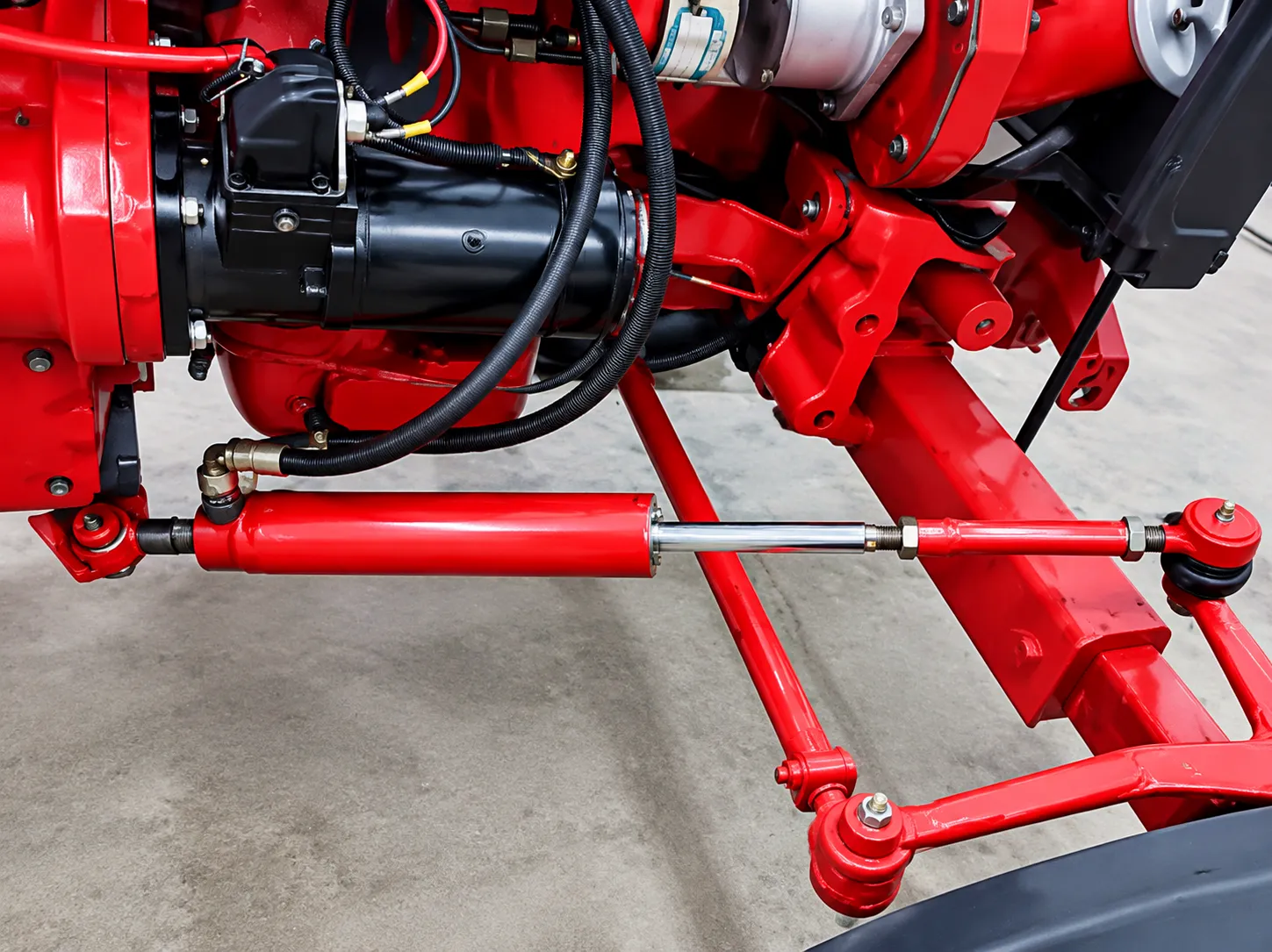
Customer Success Story: Resolving Steering Failure on Municipal Plant in Sheffield
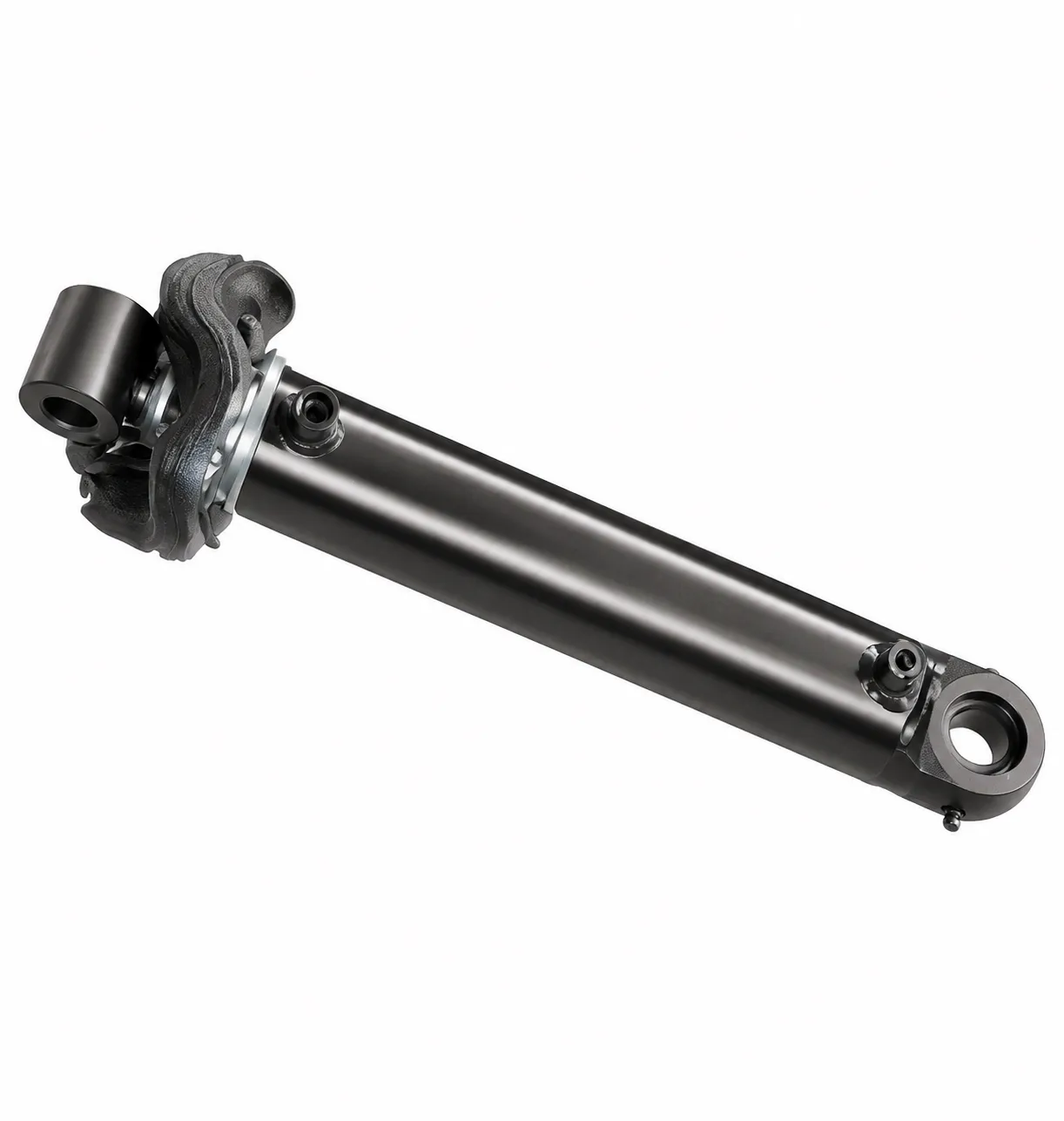 A South Yorkshire fleet management company responsible for maintaining Sheffield City Council’s refuse and sweeper fleet — approximately 120 vehicles at peak roster — was experiencing repeated steering cylinder failures on its medium-tonnage RCV units. The original equipment cylinders, sourced from a European supplier, were failing at intervals of 800–1,200 hours. Symptoms included progressive internal leakage visible as oil tracking on the rod, followed by unacceptably slow steering response as the pressure drop across the worn bore increased. Two vehicles had been grounded for safety reasons within a three-month window, triggering a formal review of the procurement specification by the fleet manager.
The fleet’s engineering team contacted Ever Power through a recommendation from a Midlands-based hydraulic service distributor. Following a technical site visit — during which our engineer examined the failed cylinders, recorded operating pressure data from the vehicle’s onboard diagnostics, and reviewed the fleet’s route cycle analysis — we identified two compounding problems. The original bore size (70 mm) was undersized for the actual operating pressure (205 bar), placing the system consistently at 96% of the cylinder’s theoretical capacity. Combined with a bore surface finish that was below specification (Ra measured at 1.1 µm versus the 0.6 µm target), seal degradation was accelerated to the point where warranty intervals were unachievable.
Ever Power supplied replacement steering cylinders with a revised bore of 80 mm — reducing operating pressure at equivalent force to 157 bar — combined with our high-cycle polyurethane seal package and a bore surface finish of Ra 0.35 µm verified by profilometer on dispatch. After an 18-month service period covering a monitored fleet of 28 vehicles, no steering cylinder replacements have been required. The fleet manager has formally extended the tender relationship with Ever Power to cover the broader hydraulic cylinder portfolio for the Sheffield fleet.
What Our UK Customers Say
“The bore sizing recommendation from the Ever Power team was backed by actual calculation, not just a catalogue upsell. We switched from 70 mm to 80 mm on our RCV fleet and went from 900-hour failures to zero interventions across 18 months of full-cycle service. That is the kind of engineering support we needed and rarely get from suppliers.”
— Fleet Engineering Manager, Sheffield, South Yorkshire
“We build compact wheeled loaders for the hire sector and needed a steering cylinder that would handle 250,000 articulation cycles without a seal replacement. Ever Power turned around a custom bore and stroke drawing within 36 hours of receiving our DXF files and delivered prototypes in six weeks. The bore tolerances measured against the report they supplied — spot-on to H8. No rejections from incoming inspection.”
— Head of Engineering, Compact Plant Manufacturer, Coventry, West Midlands
“Our forestry forwarders run in some brutal conditions — wet ground, constant side-loading through the steering cylinders, and no way to top up oil in the field without stopping work. The Ever Power heavy-duty cylinders with the FKM seals and ceramic chrome rods have been running in the Galloway Forest since January with zero leaks. The surface finish quality is clearly a cut above what we were getting before.”
— Procurement Director, Forestry Equipment Supplier, Dumfries and Galloway, Scotland
Frequently Asked Questions About Steering Cylinder Bore Sizing
Ever Power · Precision Hydraulic Cylinders
Ready to Specify the Right Bore for Your Application?
Send your technical requirements to the Ever Power engineering team. We respond with bore recommendations, calculations, and a competitive quotation within one working day.
📧 Get a Quote — [email protected]
edit by gzl